-
One Country, Two Water Systems: The Need for Cross-Boundary Water Management in Hong Kong and Guangdong
›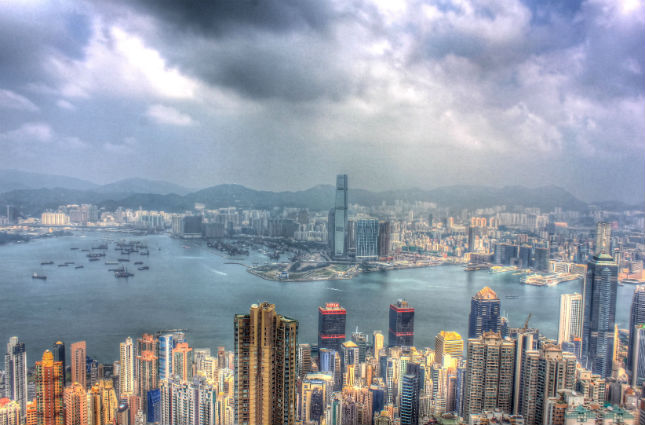
In 2011, a group of Hong Kong water activists and researchers traveled the length of the Dongjiang (East) River, which stretches from northeast Guangdong Province into Hong Kong’s New Territories, to investigate the challenges facing the watershed. The Dongjiang basin, which provides nearly 80 percent of Hong Kong’s water supply, has suffered water shortages due to the region’s increasing urbanization and industrialization. They found unchecked wastewater discharges—from agriculture, poultry farms, chemical plants, tanneries, and even an open-air quartz quarry—were dangerously degrading water quality.
-
Dealing with Disasters: Invest in Communities to Realize Resilience Dividends
›September 27, 2017 // By Roger-Mark De Souza
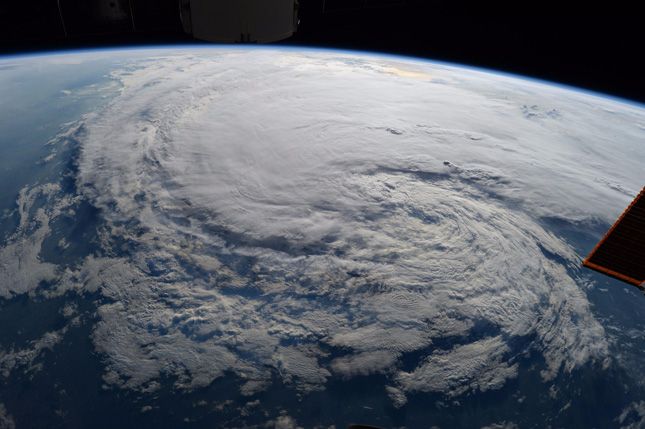
The 1-2-3 punch of hurricanes Irma, Harvey, and Maria has made it devastatingly clear that extreme weather events can and will destroy families, interrupt livelihoods, and tear apart communities, particularly in coastal and low-lying areas of vulnerable regions like the Caribbean and the United States.
-
What Is Loss and Damage from Climate Change? First Academic Study Reveals Different Perspectives, Challenging Questions
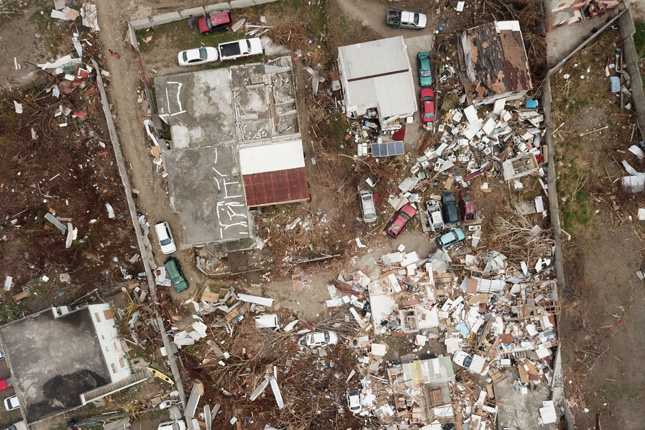
›Following a series of recent devastating extreme weather events – mudslides in Sierra Leone, flooding in south Asia, and severe storms hitting the Philippines and the Gulf of Mexico, many have called attention to the role of climate change in these disasters. The string of Atlantic hurricanes that has devastated the Caribbean has prompted fresh calls to make nations and communities more resilient to the effects of climate change, and especially to address “loss and damage” in island nations.
-
“We Must Pay Attention”: Hurricanes Harvey and Irma Devastate the Caribbean, Threaten U.S. National Security, Reveal Infrastructure Weakness, Say Wilson Center Experts
›“This is not an island issue, this is not a Caribbean issue, this is an issue that is [also] critical for us,” says Roger-Mark De Souza, the Wilson Center’s director of population, environmental security, and resilience in a recent video interview. “For us in the United States we have to continue to recognize that we ourselves are also vulnerable.” De Souza remains hopeful about the possibility of rebuilding and rebounding in the face of devastation, but also presses the importance of generating response mechanisms which address environmental hazards before they manifest into disasters. “That means planning, it means investing in community mobilization mechanisms, it means thinking about ways we provide humanitarian assistance.”
-
Sustainable Infrastructure: Building Resilience in a Changing World
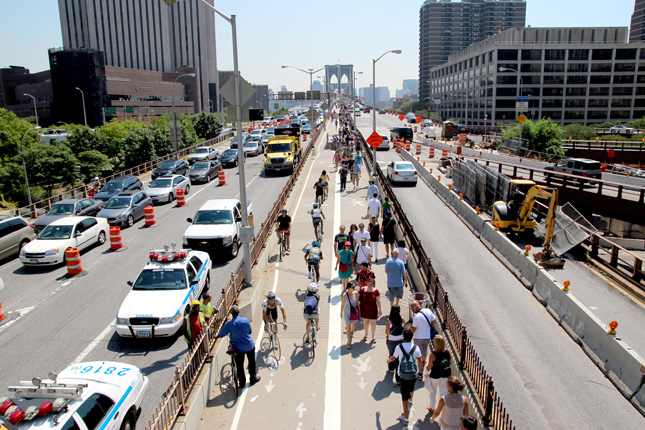
›The United States currently faces an infrastructure crisis, as well as a growing climate crisis. Taking a sustainable approach to infrastructure could help address both problems, argued participants in a recent webinar conducted by the National Council for Science and the Environment, in partnership with the Security & Sustainability Forum.
-
How Infrastructure Helps Determine the Risk of Violence Following Drought
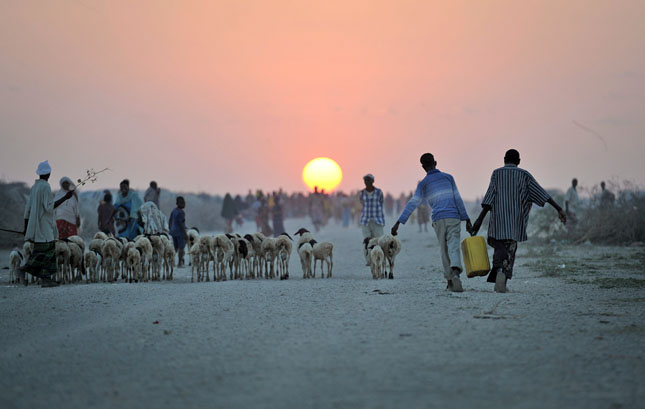
›One fear of climate change is that more variable weather conditions will lead to violence and chaos in some places. But looking at it methodically, do erratic weather conditions actually lead to violent conflict and political instability? Not necessarily.
-
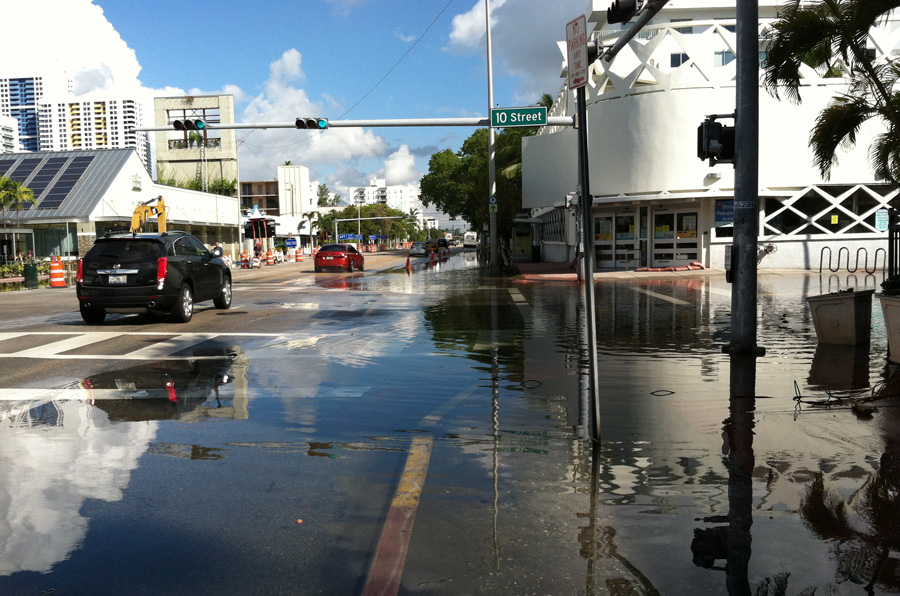
Big Money, Big Politics, and Big Infrastructure: Florida’s Saga Illustrates Climate Change’s Deep Challenges
›Investigative journalists reported earlier this month that top appointees at Florida’s Department of Environmental Protection and other state agencies ordered employees not to use the terms “climate change” or “global warming” in official communications. Politically coded euphemisms such as “climate drivers” and “climate variability” were to be used instead. “Sea-level rise” was to be replaced with “nuisance flooding.” The news swiftly went viral, with commentators noting the irony of such censorship occurring in Florida – essentially ground zero for climate change in the Global North.
-
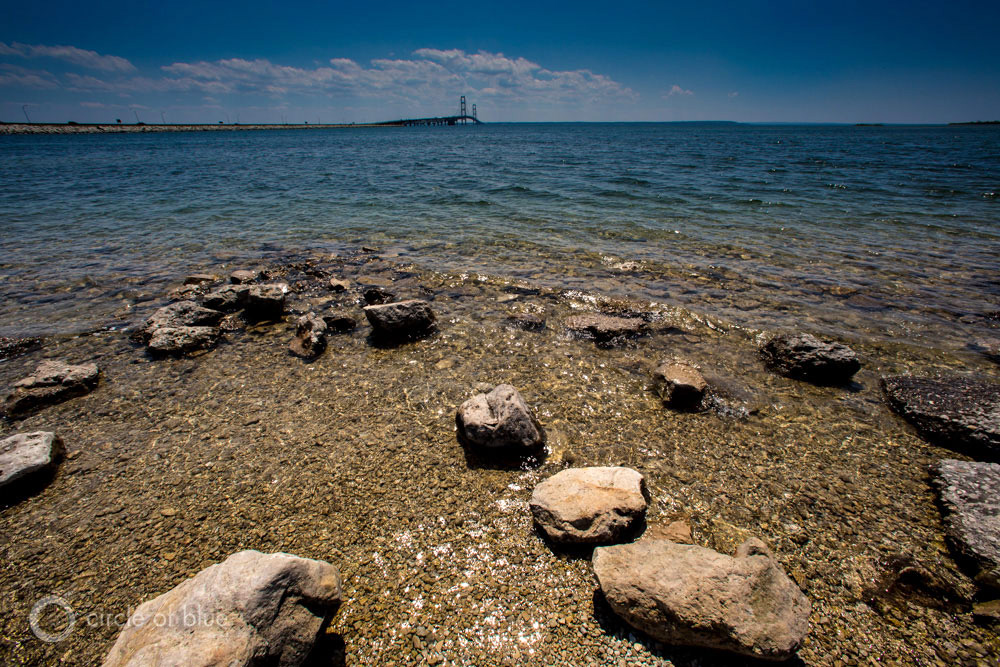
Fossil Fuel Boom Rewiring North America’s Energy Infrastructure
›Until two years ago, when the National Wildlife Federation pointed out their presence, the 61-year-old steel oil pipelines running beneath the fast-flowing Mackinac Straits between Lake Michigan and Lake Huron were like nearly every other piece of North America’s energy transport network: out of sight and out of mind.
Showing posts from category Infrastructure.