-
Preventing the Next Pandemic: Scaling Laboratory Operations in Developing Countries
›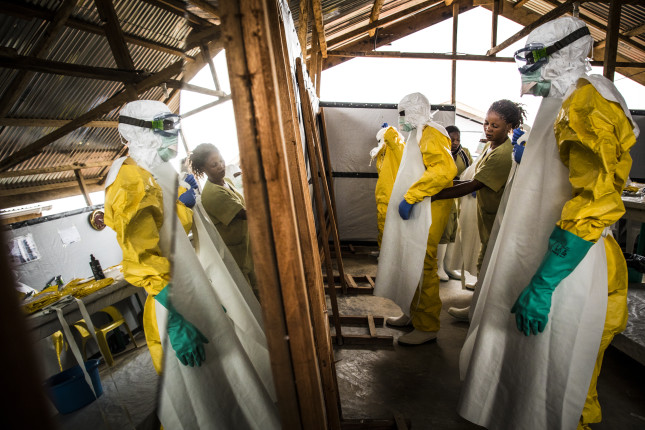
In 1976, a Belgian Catholic mission and hospital in what is now the Democratic Republic of the Congo (DRC) was stricken with a mysterious illness that caused fever-like symptoms. Most of the patients who contracted the illness died. A young microbiologist named Jean-Jacques Muyembe Tamfum was called to the mission, where he extracted blood samples from those who had fallen ill. The DRC did not have a functional research laboratory at the time, so Muyembe had to send his samples to Belgium for analysis. The results that came back revealed that they contained a new deadly virus: what the world came to know as Ebola, named after a river near the mission.
-
Vaccines, Family Planning, and Freedom from Violence: Achieving Equity for All Women and Children
›
“From birth, from almost from cradle to grave, girls have been seen as some sort of baggage,” said Shamsa Suleiman, Project Management Specialist for Gender and Youth at the U.S. Agency for International Development (USAID), Tanzania. Suleiman spoke at a recent Wilson Center event with USAID MOMENTUM Country and Global Leadership about balancing power dynamics to achieve equity for all women and children in maternal, child, and adolescent health, and family planning. Home should be a safe space, said Suleiman. But for many girls, it no longer is. To escape the poverty and pressures at home, including early marriage and other forms of gender-based violence, some girls leave, said Suleiman. “Girls are trying to escape the safe spaces.”
-
Redesigning Health Systems for Global Health Security
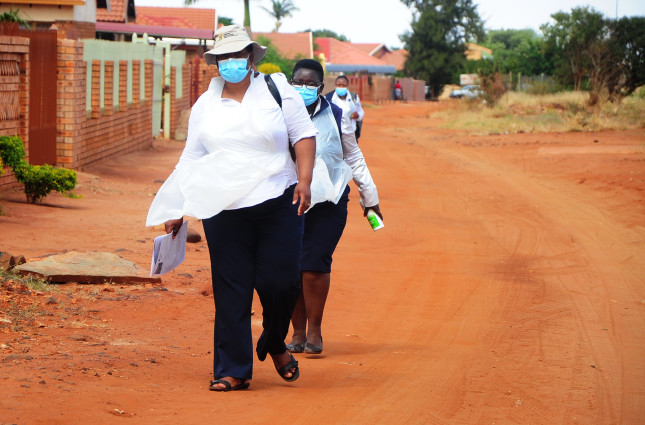
›Africa in Transition // Covid-19 // Guest Contributor // February 22, 2021 // By Uzma Alam, Juliet Nabyonga-Orem, Mohammed Abdulaziz, Ambassador (ret.) Deborah R. Malac, John N. Nkengasong & Dr. Matshidiso R. MoetiAfrica was predicted to be hardest hit by the COVID-19 pandemic, given its poor health systems. However, this outcome has not been the case. Despite the U.S. being the highest spender on health care globally, COVID-19 has shown that its primary care infrastructure is in much need of strengthening. But we should not mistake COVID-19 as the biggest pandemic of our time. If anything, it is only a dry run, with other epidemics brewing on the horizon. Therefore, if the global community is serious about epidemic preparedness, global health security, and protecting the most vulnerable, we need to redesign health systems for resilience. Africa’s lessons from the COVID-19 pandemic, as well as from concurrent outbreaks of cholera, Ebola virus disease, yellow fever, and chikungunya, could provide a roadmap.
-
Leverage COVID-19 Data Collection Networks for Environmental Peacebuilding
›Environmental peacebuilding could benefit from COVID-era data innovation. A well-documented obstacle environmental peacebuilders face is a lack of shared, empirical datasets among parties engaged in, recovering from, or descending into conflict. Current innovations in data collection may soon help seal these gaps.
Countries throughout the world have expanded their data collection capabilities to track the spread of COVID-19. From text message contact tracing to drone surveillance, these innovations inform national responses and shape the global case counting webpages that many of us anxiously refresh every day. The information networks established during the pandemic may endure far into the future, informing new goals, projects, and policies.
-
Dr. Raj Panjabi on the Importance of Community-Based Health Systems in Pandemic Response
›If there’s anything about responding to an epidemic, it’s that speed matters, and so does investing in people closest to the problem, said Dr. Raj Panjabi, Assistant Professor of medicine at Harvard Medical School and CEO of Last Mile Health, in this week’s Friday Podcast. The latter, he said, is the root of resilience. -
The Importance of Community Trust to Combat COVID-19 Vaccine Hesitancy
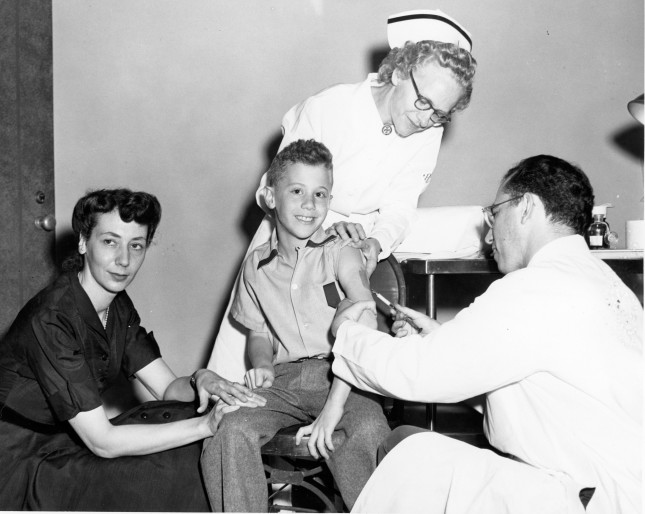
›“Vaccine hesitancy is to be expected in a normal circumstance—it’s very different from being what we call ‘anti-vaccine,’” says Dr. Rahul Gupta, Senior Vice President and Chief Medical and Health Officer at March of Dimes, in this week’s Friday Podcast. He spoke at a recent Wilson Center event on ongoing efforts to develop and deliver a COVID-19 vaccine, co-sponsored by the University of Pittsburgh, March of Dimes, and the Jonas Salk Legacy Foundation. -
Building Bridges: What It Will Take to Develop a Safe, Effective COVID-19 Vaccine
›“I think we have to remember not to forget what these diseases did in the past and to actively collaborate, to work with each other, and to communicate well that vaccines work,” said Dr. Paul Duprex, Director of Pitt’s Center for Vaccine Research and Professor of Microbiology and Molecular Genetics at a recent Wilson Center event on the development of a COVID-19 vaccine, co-sponsored by the University of Pittsburgh (Pitt), March of Dimes, and the Jonas Salk Legacy Foundation.
-
In Sub-Saharan Africa, Community Health Workers Support Sustainable Health Systems and COVID-19 Response
›“If there’s one message, it’s health systems need to be resilient, agile, and equitable,” said Uzma Alam, a researcher at the Africa Institute for Health Policy Foundation and Senior Program Officer of the Africa Academy of Sciences. “No one person, no one community, no one minority can be left behind. After all, your health system is as agile, as resilient as your weakest link.” She spoke at a recent Wilson Center event co-sponsored with the Population Institute, “Lessons from Africa: Building Resilience through Community-Based Health Systems.” The event focused on how locally led interventions improved the resilience and responsiveness of health systems in sub-Saharan Africa.
Showing posts from category infectious diseases.
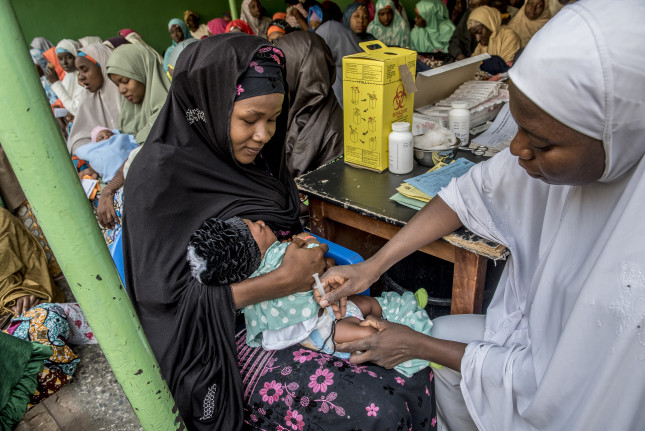
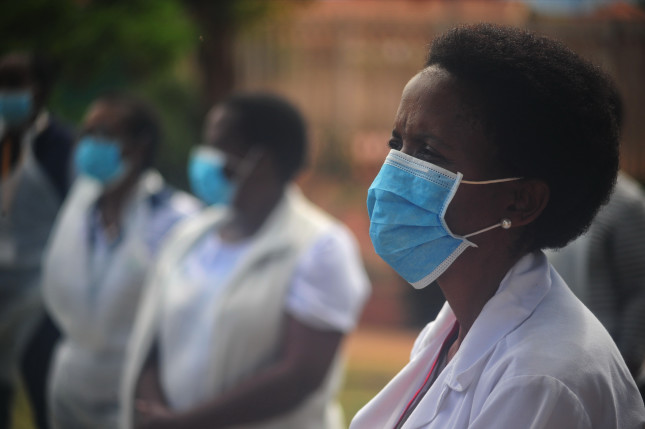
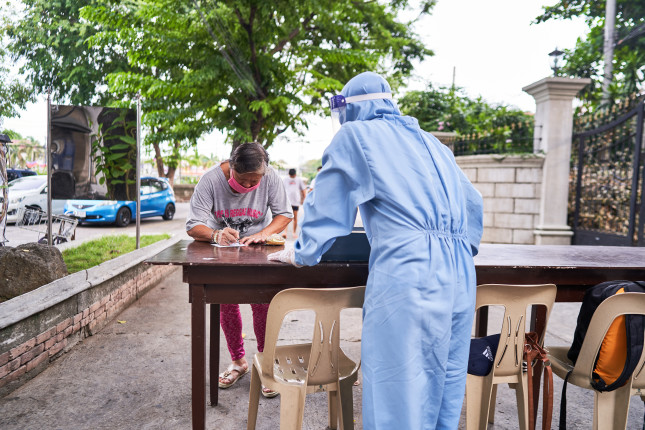
 If there’s anything about responding to an epidemic, it’s that speed matters, and so does investing in people closest to the problem, said Dr. Raj Panjabi, Assistant Professor of medicine at Harvard Medical School and CEO of Last Mile Health, in this week’s Friday Podcast. The latter, he said, is the root of resilience.
 “Vaccine hesitancy is to be expected in a normal circumstance—it’s very different from being what we call ‘anti-vaccine,’” says Dr. Rahul Gupta, Senior Vice President and Chief Medical and Health Officer at