-
Recognizing the International Day for Preventing the Exploitation of the Environment in War and Armed Conflict
›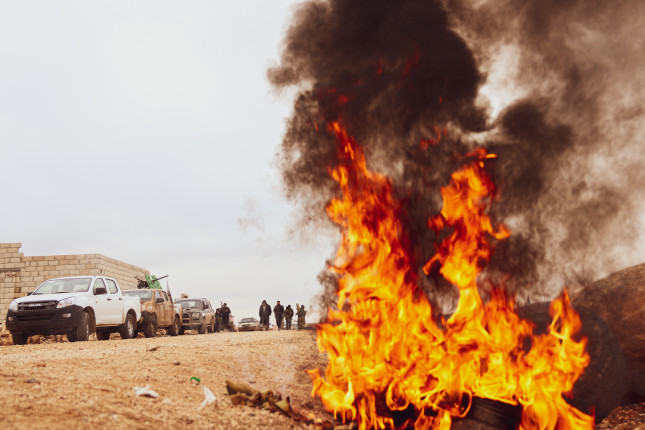
In 2001, the UN General Assembly declared November 6 the International Day for Preventing the Exploitation of the Environment in War and Armed Conflict. In the 22 years since, both the impact of the exploitation of the environment during war—and the centrality of natural resources in establishing peace—have gained greater global recognition.
-
Introducing “The Arc”
›
On today’s episode of New Security Broadcast, ECSP is launching a new series called The Arc, focused on the connections between climate change, equity, justice, and identity. We will cover a wide range of topics – from food and water systems to the energy transition, migration, and climate finance – and talk with practitioners, advocates, professors, and community leaders to discover where these topics intersect with issues related to climate impacts and justice.
-
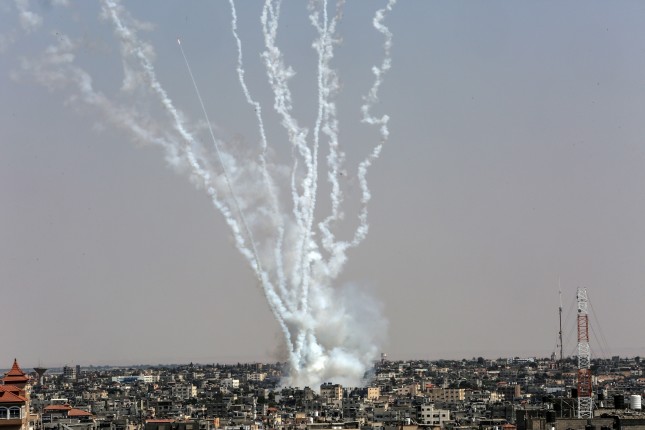
A Reminder from Israel and Gaza on the Importance and Limitations of Environmental Peacebuilding
›I flew into Tel Aviv last Friday afternoon, primed for a week of meetings with Israeli and Palestinian environmentalists and officials. By sounding out these men and women in Jerusalem, the West Bank, and other parts of the region, I hoped to expand on past explorations of their transboundary cooperation, widely recognized as a model for environmental peacebuilding. Through an articulation of the successes that they––and their Jordanian peers–have had in bolstering water access, renewable energy, and environmental protection across their shared natural landscape, I was looking forward to telling a positive environmental conflict story—particularly one in a place that is often bereft of good news.
-
Connecting the Dots: Women, Peace, and Security and Reproductive Health
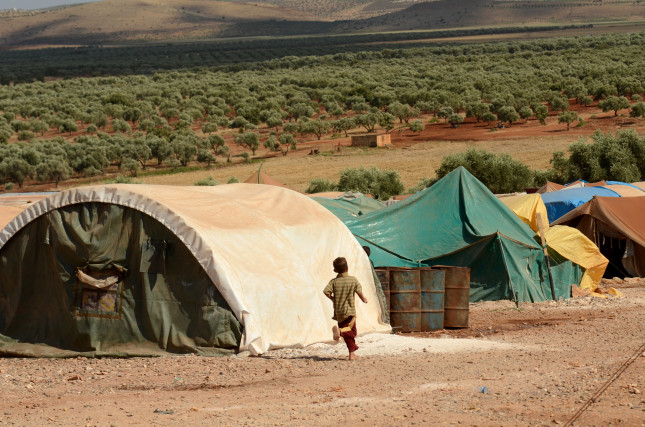
›It is well established that women’s and girls’ lives are disproportionately affected by humanitarian emergencies—and that these crises often underscore pre-existing discriminatory practices. According to the United Nations Population Fund (UNFPA), women and children account for more than 75 percent of those at risk from war, famine, persecution, and natural disaster. During these emergencies (and in their aftermath), women and girls are exposed to greater threats, such as the loss of livelihoods, education, and security due to displacement and the breakdown of social order.
-
Climate Adaptation at COP28: Eyes on the Middle East
›When COP28 begins in the United Arab Emirates in late November of this year, the multifaceted connections between climate and conflict are expected to receive greater attention from participants than they have at previous conferences.
While there is scant direct causal evidence to suggest that climate change causes conflict, there is a growing body of information that it can influence the risk of conflict by hurting economies, changing broad patterns of human behavior and movement, and straining social cleavages.
-
Ukraine’s Environment Is a Victim of Russian Geopolitics. (Again.)
›Senior Western officials have received “sobering” reports on the counteroffensive in Ukraine. As both sides continue to rain artillery shells and missiles across the country, Ukrainian forces have struggled to make progress on the front lines in both the south and the east.
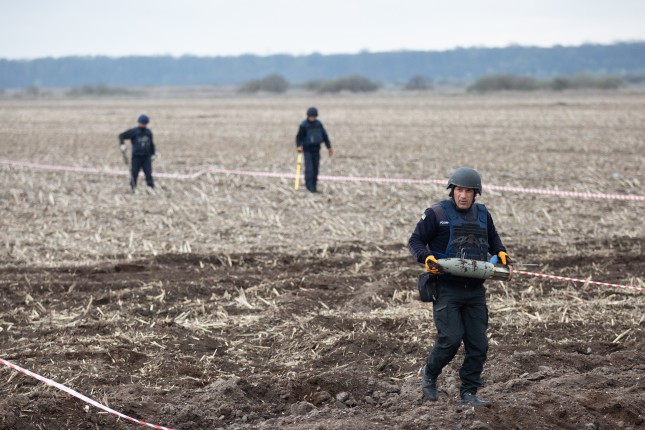
Meanwhile, a different but related struggle is occurring across the country. Ukraine’s environment is being poisoned by the by-products of this war; polluting the land, water, and air, and exposing humans, plants, and animals to high levels of toxins.
-
ECSP Weekly Watch | August 28 – September 1
›A window into what we are reading at the Wilson Center’s Environmental Change and Security Program
Carbon Markets: One Sheikh’s Interest in Africa’s Resources
Why has a company in the United Arab Emirates (UAE) taken an interest in Africa’s forests? Sheikh Ahmed Dalmook Al Maktoum ‘s company, Blue Carbon, recently initiated deals with several countries (Liberia, Tanzania, Zambia, and Zimbabwe) that exchange management of African forests in these nations for carbon credits.
-
ECSP Weekly Watch | August 14 – 18
›A window into what we are reading at the Wilson Center’s Environmental Change and Security Program
Thirst for Relief: Prolonged Drought Intensifies Afghanistan’s Humanitarian Crisis
Afghanistan is the world’s sixth most affected country by climate-related threats—and its present acute challenge is water scarcity, intensified by climate change. The country is heavily reliant on agriculture, which makes up a third of its GDP.
Showing posts from category human rights.