-
ECSP Weekly Watch | August 26 – 30
› A window into what we are reading at the Wilson Center’s Environmental Change and Security Program
World Food Program Faces Scrutiny Over Fraud in Sudan (Reuters)
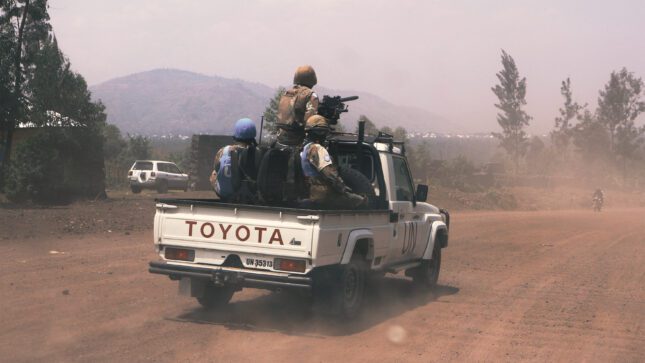
As Sudan suffers an immense humanitarian crisis due to an ongoing internal conflict between the Army Forces and the paramilitary Rapid Support Forces (RSF), the U.N. World Food Program (WFP) has provided crucial aid to people displaced by the conflict. Yet its ability to continue this crucial work is now under threat because of allegations of illicit activities made against its top officials in that country. These developments have drawn the attention of humanitarian practitioners and diplomats—who also have concerns regarding WFP’s mismanagement and how it might have contributed to the failure to deliver enough aid in Sudan.
-
Going Beyond “Conflict-free”: Transition Minerals Governance in DRC and Rwanda
›
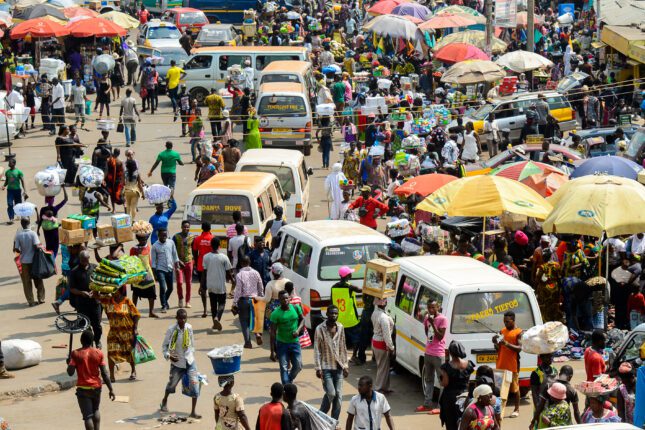
Resource-rich nations such as the Democratic Republic of Congo (DRC) and Rwanda—which produce minerals ranging from coltan, cobalt, gold, tungsten, and tantalum, to tin (3TG)—hold tremendous importance in the global supply chains. The DRC produces 70% of global cobalt production, while its neighbor, Rwanda, generates around 30% of Tantalum.
-
ECSP Weekly Watch | July 22 – 26
›A window into what we are reading at the Wilson Center’s Environmental Change and Security Program
Worsening Health Conditions in War-Torn Gaza (BBC)
Water infrastructure in Gaza was already weak before the beginning of the war in 2023, but intensified conflict and siege of critical infrastructure the damage wreaked by Israel’s military forces on critical infrastructure (including water, energy, and food), has left 70% of the people in Gaza exposed to salinated and contaminated water. Traces of polio have been found in wastewater flowing both between displacement camp tents and in inhabited areas, and experts suggest that this water might be circulating.
-
ECSP Weekly Watch | July 15 – 19
›A window into what we are reading at the Wilson Center’s Environmental Change and Security Program
Shedding Light on Imperial Oil’s Dark Waters (Mongabay)
Canada has the fourth-largest tar sands (oil deposits) in the world. Separating the bitumen used in industries and construction creates large volumes of toxic wastewater, which is stored in tailings ponds that now cover a staggering 270 square kilometers. Unresolved infrastructure mishaps at one such site in Alberta operated by Imperial Oil means that contaminants have polluted nearby waters so significantly that it has affected public health and the livelihoods of indigenous communities in downstream areas.
-
Reinvigorating US Development Assistance
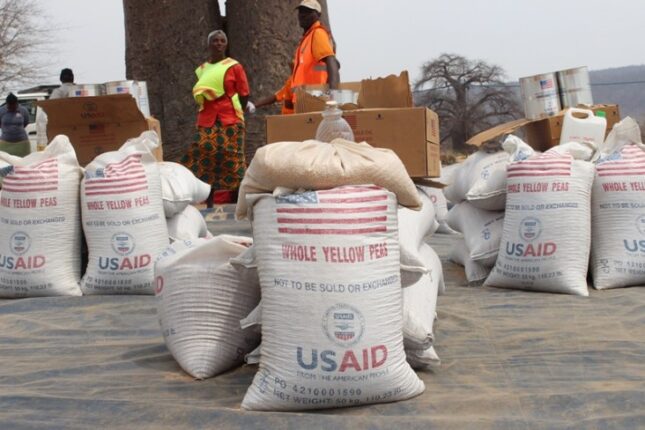
›Americans often hear arguments demagoguing exorbitant and wasteful development assistance spending. In an election year, these voices multiply. And they have influence. Past polls have shown that Americans believe that their government spends roughly 25 percent of the federal budget on foreign aid. The real total actually hovers around less than 1 percent.
-
Environmental Cooperation in the Middle East: A Conversation with Dr. Tareq Abu Hamed
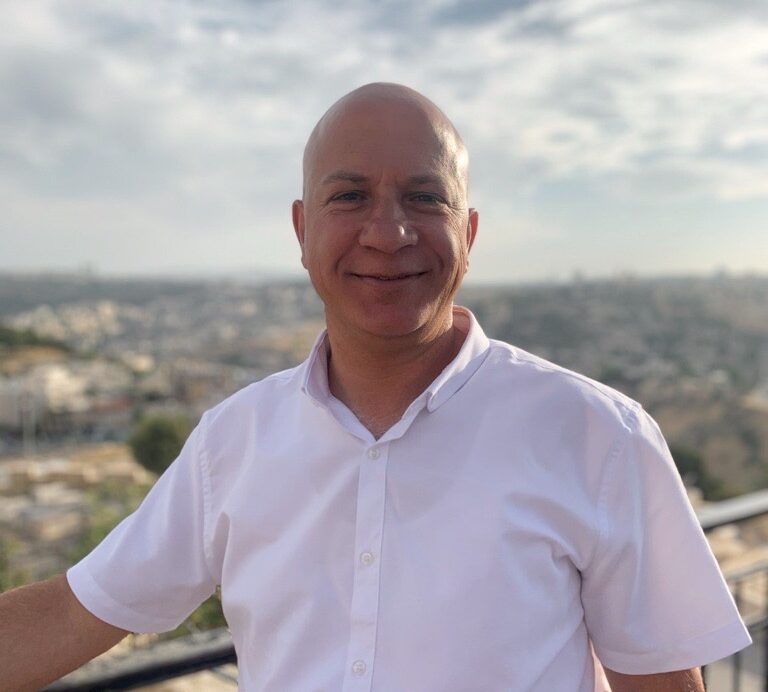
›In today’s episode of New Security Broadcast, Wilson Center Global Fellow and environmental journalist Anneliese Palmer speaks with longtime leader in regional environmental diplomacy and Executive Director of the Arava Institute for Environmental Studies, Dr. Tareq Abu Hamed. In their conversation, Dr. Hamed unpacks the opportunities and challenges of climate and environmental diplomacy, environmental peacebuilding efforts in Gaza and the Middle East, as well as his role in Jumpstarting Hope, a project that works to provide essential services such as safe drinking water and sustainable electricity to communities in Gaza. -
World Population Day: Revitalizing Discourse on Population, Development, and Rights
›July 11 is World Population Day—designated annually by the United Nations as a focused opportunity to examine population trends and their implications for society. This year, World Population Day offers a chance to reflect on the 30th anniversary of one of the largest and arguably most influential world population conferences in history—the 1994 International Conference on Population and Development (ICPD).
-
Weaving Baskets of Change: Women Organizing in Kenya’s Fisheries and Aquaculture
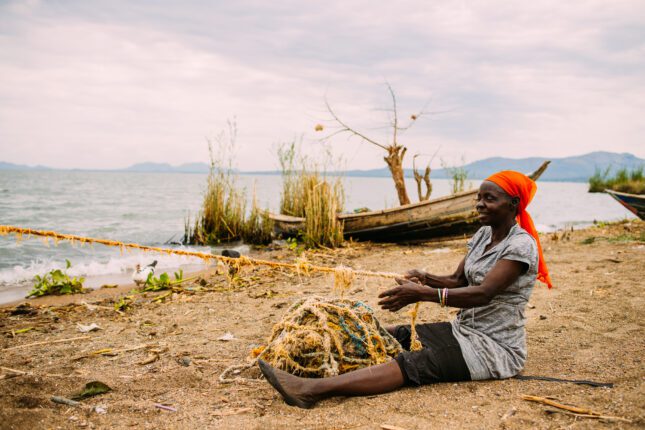
›Mildred is a fish trader in Kenya. I met her a few years ago, when I was conducting research. (“Mildred” is not her real name; I promised all my participants anonymity as I worked.) She mentors, trains, and educates young women on how to dry, gut, fry fish, and run successful fish businesses.
Showing posts from category human rights.
 In today’s episode of New Security Broadcast, Wilson Center Global Fellow and environmental journalist Anneliese Palmer speaks with