-
Low-Carbon Transitions: A Spur (and a Solution) to Colonial Violence?
›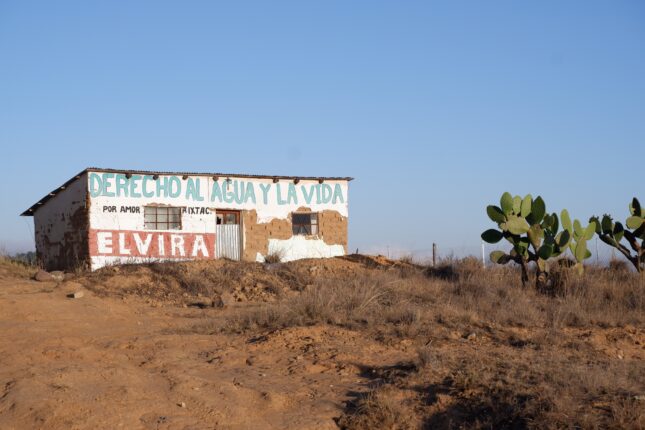
At the recent G20 meeting in June 2024 in Rio de Janeiro, United Nations Secretary General António Guterres gave an ominous warning: “Unless we limit global temperature rise to 1.5 degrees Celsius, spiraling disasters will devastate every economy.” Guterres implored governments to “speed-up the just transition from fossil fuels to renewables,” and declared that “the end of the fossil fuel age is inevitable.”
-
Obstetric Violence in Sub-Saharan Africa: The Struggle for Dignified Maternal Care
›
In August 2013, Josephine Majani, a mother of three from Bungoma County in Kenya, endured a harrowing birth experience. Despite her repeated pleas for help during labor, the nurses in the hospital ignored her. She struggled to walk to the labor ward while in intense pain, but all of its beds were occupied. Majani was forced to give birth on the cold concrete floor. Subsequently, nurses there subjected her to verbal and physical abuse—even making her carry her placenta back to the labor ward.
-
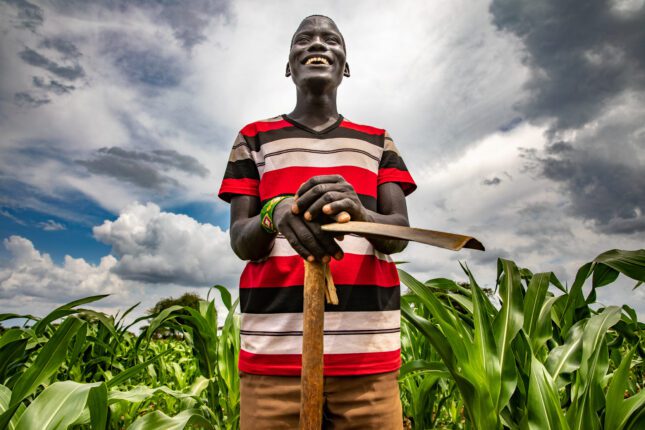
Children and Slaves are Mining our Critical Metals (and Not Just Cobalt)
›This article is adapted from Vince Beiser’s “Power Metal” newsletter.
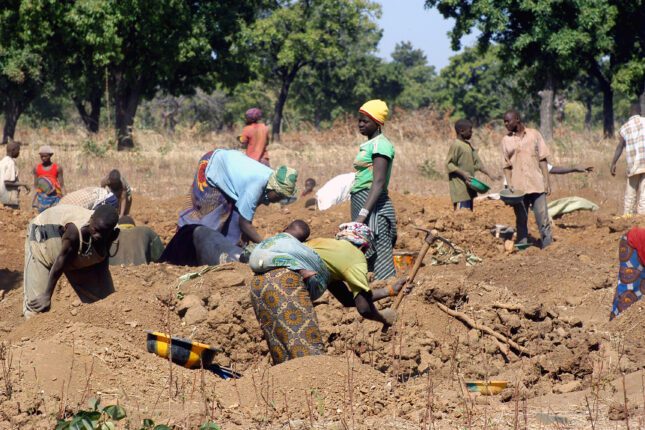
If you’ve heard anything about the dark side of the shift to renewable energy and digital tech—one of the main topics of my new book, Power Metal: The Race for the Resources That Will Shape the Future—you’ve probably heard about the children working in cobalt mines in the Democratic Republic of Congo (DRC). That particular outrage has been covered by major international news outlets, human rights organizations and another recent book, Cobalt Red. But it turns out there are many other places where children, as well as enslaved adults, are producing the metals that go into our electric cars and cell phones.
-
Guam and Vanuatu: Different Paths from Environmental Change to Human Insecurity
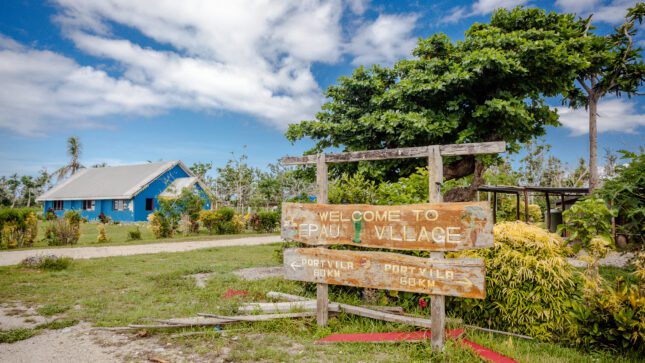
›Our present ecocrisis drives human insecurity. Single weather events killed hundreds in 2024, even in wealthy countries such as the United States or Spain. And beyond that staggering toll in human lives lurk staggering amounts of money required to repair and rebuild. In the United States alone, inflation-adjusted disaster-attributable costs have reached on average $153 billion each year. These factors and others make global environmental change a severe risk to human security.
-
The Arc | Indigenous and Community Power: Localizing Climate Action
›In today’s episode of The Arc, we are featuring a panel discussion on climate action through Indigenous and community power from the Forum on Advancing Inclusive Climate Action in Foreign Policy and Development, hosted by the Wilson Center in collaboration with the White House and USAID’s Bureau for Humanitarian Assistance, with support from the USAID Climate Adaptation Support Activity. -
New Tool Offers Key Insights for Tackling Climate and Conflict Challenges
›When the White House released the US Framework for Climate Resilience and Security in September 2024, it was an important opportunity to highlight the significant impacts of climate change on US national security, economic, and strategic interests. The Framework also emphasized the need for tailored approaches in fragile, conflict-affected, and vulnerable (FCV) contexts, particularly in managing and allocating resources, as well as ensuring that climate finance addresses conflict drivers.
-
The Story Behind Climate Security and What it Means for US Foreign Policy
›Hurricanes Helene and Milton battered the southeastern US in September and October and caused a combined estimate of $300 billion in damages. These storms were only the latest example of a cascade of disasters that is expected to worsen as climate change intensifies. Yet the impacts do not stop at dollars and human lives. Threats to security and stability also will multiply as rising temperatures increase the variability of rainfall patterns and the intensity of storms.
-
New Security Brief | Pioneering Solutions: Climate Finance, Gender Equity, and Sexual and Reproductive Health Services
›This article is adapted from “Pioneering Solutions: Climate Finance, Gender Equity, and Sexual and Reproductive Health Services”
A warming world is leading to new challenges for communities and countries around the globe. The significant impacts of climate change on global health, and on women and girls, are well-documented. Yet despite the evidence, funding for climate responses that focus on health or gender remains relatively low. In the rare instances where climate finance provides funds to improve health services, sexual and reproductive health (SRH) services—which are critical to women’s full participation in society and decisionmaking—are largely neglected.
Showing posts from category human rights.
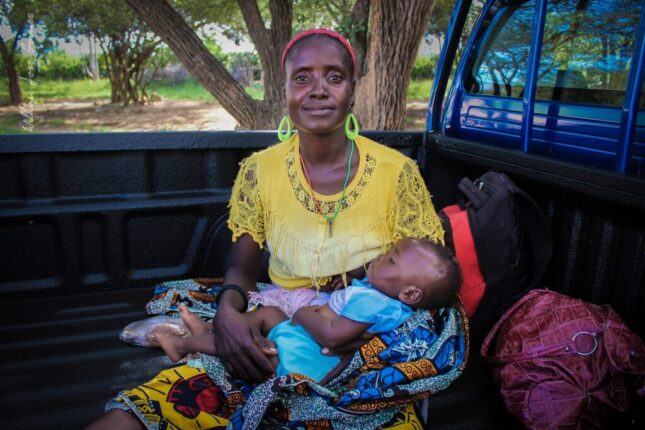
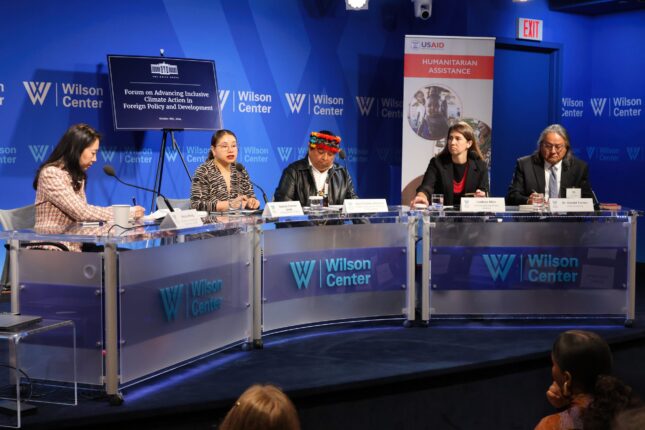 In today’s episode of The Arc, we are featuring a panel discussion on climate action through Indigenous and community power from the Forum on Advancing Inclusive Climate Action in Foreign Policy and Development, hosted by the Wilson Center in collaboration with the White House and USAID’s Bureau for Humanitarian Assistance, with support from the USAID Climate Adaptation Support Activity.