

-
Planning for the Public Health Effects of Climate Migration
›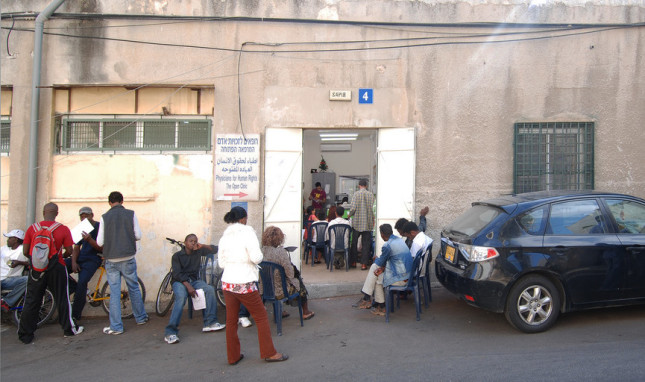
In Alaska’s arctic communities, Inuit contemplating the need to relocate have reported that the loss of sea ice would make them feel like they are lost or going crazy. Zika and other vector-borne diseases have been a concern primarily for people in the southeastern United States. Recent research on the long-range internal migration of people from the coasts to the interior suggests a broader national concern regarding “climate augmentation” of disease. These are just two examples of the many public health effects we can expect as climate change forces people to uproot themselves.
-
Cultivating Meaningful Youth Engagement in Sexual and Reproductive Health Programming
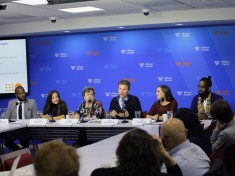
› “We need to mainstream young people into the decision-making process,” said Senator Nikoli Edwards, age 25, of Trinidad and Tobago at a recent Wilson Center event on engaging youth to protect their sexual and reproductive health and rights. “Where it’s not a matter of, ‘let’s bring a young person into the room as an afterthought,’ but it should be written that a young person has to be a part of the discussion or has to be contributing in a significant way.”
 -
Stormy Weather: Human Security Should Include Freedom from Hazard Impacts
›It is imperative that countries adopt a human security approach to achieve “freedom from hazard impacts”—nationally through a scientific disaster risk reduction strategy and internationally through climate diplomacy.
-
Environmental Security in Times of Armed Conflict
›This summer, Iraqi citizens in Basra demonstrated in the streets to protest a serious public health crisis caused by polluted water. The condition of their water infrastructure was deplorable after years of devastating wars, corruption, and droughts and regional hydropolitics. More than 100,000 people have reportedly been poisoned by polluted water, while recent estimates warn that some 277,000 children are at risk of diseases, such as cholera due to rundown water and sanitation facilities at schools.
-
Environmental Activists Under Assault in Brazil
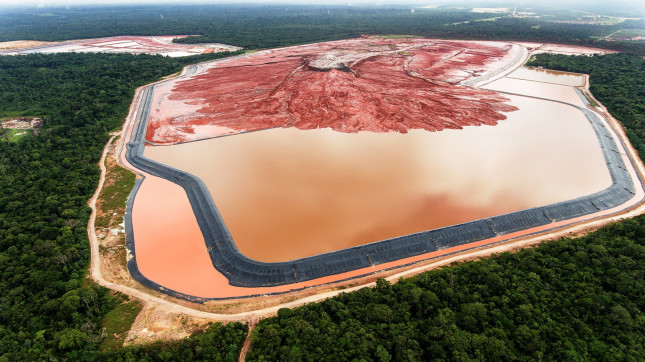
›Environmental activists in Brazil are under attack. Last year—the worst year on record—57 of them were assassinated in Brazil, the most dangerous country for environmental activists in the world. The last few years have seen a dramatic uptick in killings of people who take a stand against companies and other actors that commit environmental crimes.
-
Saving Lives: Focusing on Outcomes to Improve Maternal and Newborn Healthcare Quality
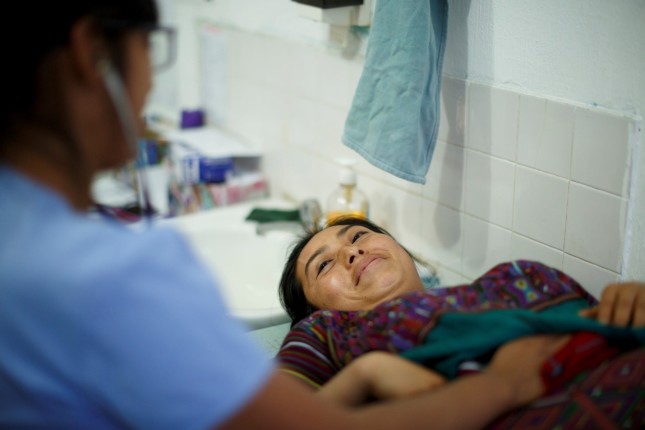
›Poor quality care is now a bigger barrier to reducing mortality than insufficient access to healthcare, said Dr. Margaret Kruk, Chair of The Lancet Global Health Commission on High Quality Health Systems in the Sustainable Development Goal Era. She spoke at a recent Wilson Center event on strategies to improve and sustain high-quality reproductive, maternal, and newborn care at scale. “We estimate that 8.6 million lives are lost every year due to lack of access to high quality care, and of that 8.6 million, five million lives are lost by people who have already reached out to the health system.”
-
The New Slave Trade: Migration, Trafficking, and Terrorists in Libya
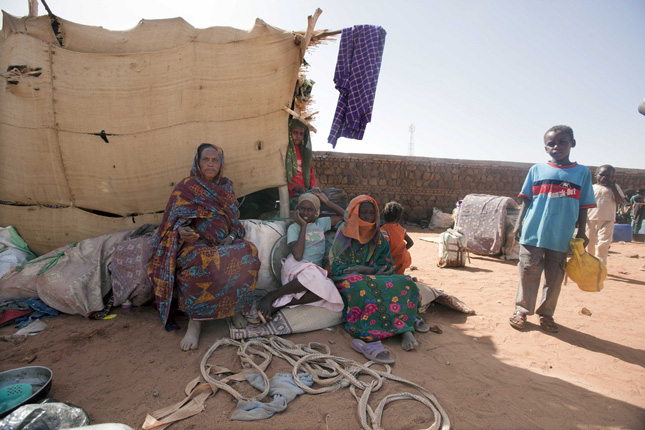
›While dismayed Americans watched the “zero tolerance” policy of family separation unfolding at the Mexican border, across the Atlantic, another shocking migration crisis continues to fester. Behind the grueling headlines of drownings in the Mediterranean Sea, migrants run a gauntlet of abuse through the Sahara desert to reach the Libyan coast. Armed militias and terrorist organizations across the Sahel profit by smuggling people displaced by climate, population, and security crises. While European policymakers struggle to cope with arrivals, their containment approach consistently disregards the root causes that force people to take such unimaginable risks. The high value of these human commodities not only exposes vulnerable migrants to torture, extortion, and even enslavement, but also provides funds for terrorist groups intent on attacking the West.
-
Too Little Too Late: Violence Disrupts Maternal Health Care in Conflict Settings
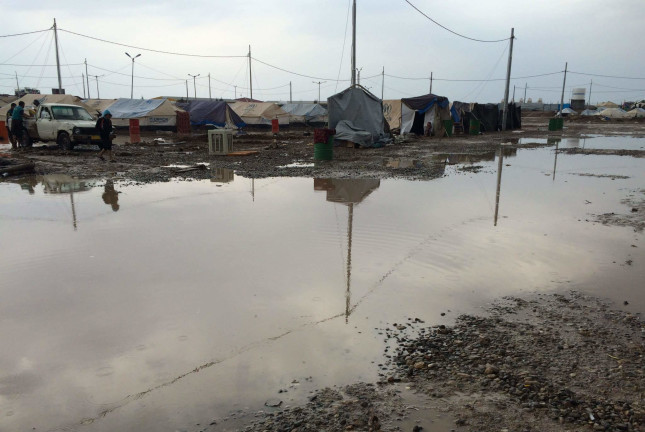
›“One of the first victims of war is the health care system itself,” said Marco Baldan, the chief war surgeon for the International Committee of the Red Cross. Violence directed at health facilities and workers is common in conflict, despite international laws protecting medical personnel, facilities, and transport vehicles during war.
Showing posts from category human rights.
 “We need to mainstream young people into the decision-making process,” said Senator Nikoli Edwards, age 25, of Trinidad and Tobago at a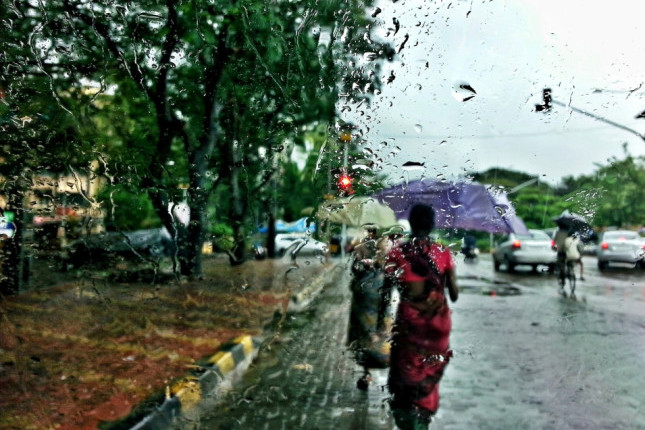
 “One of the first victims of war is the health care system itself,”

