-
Refugees and COVID-19: A Closer Look at the Syrian and Rohingya Crises
›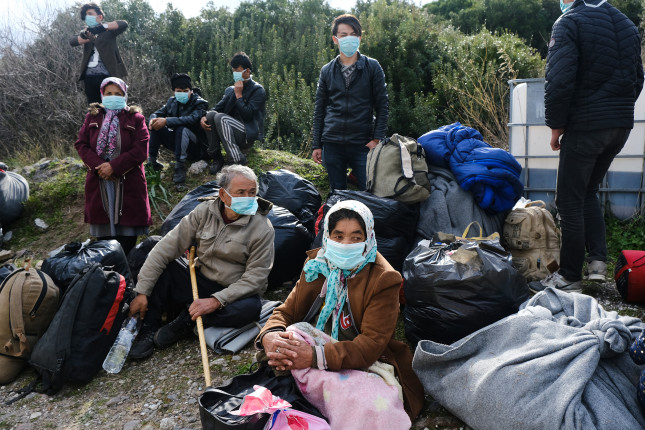
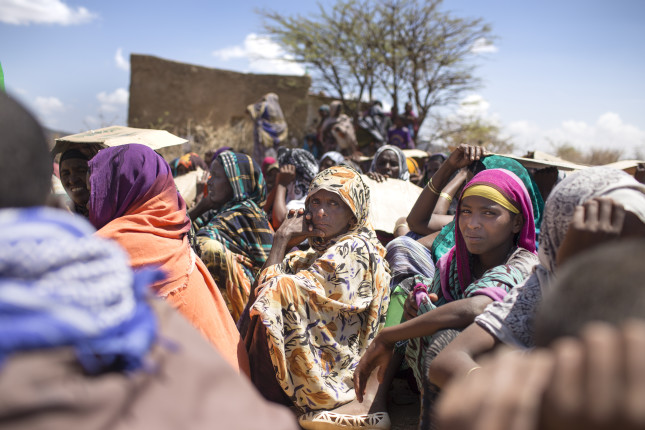
“We all know that while no one is immune from the Covid-19 virus—and people of all types have caught the virus and died from it—it is the world’s most vulnerable communities that have suffered disproportionately from the pandemic,” said Michael Kugelman, Deputy Director and Senior Associate for the Wilson Center’s Asia Program. He spoke at a recent Wilson Center event on the impact of the COVID-19 pandemic on refugee communities. As of 2019, 1 percent of humanity was displaced. That’s more than 79.5 million people. The COVID-19 pandemic has exacerbated the vulnerabilities of these people. “The health pandemic is fostering a new pandemic of poverty,” said Matthew Reynolds, Regional Representative for the U.S. and the Caribbean at the United Nations High Commissioner for Refugees (UNHCR).
-
COVID Crisis in India: Migrant Workers Exposed to Further Exploitation
›
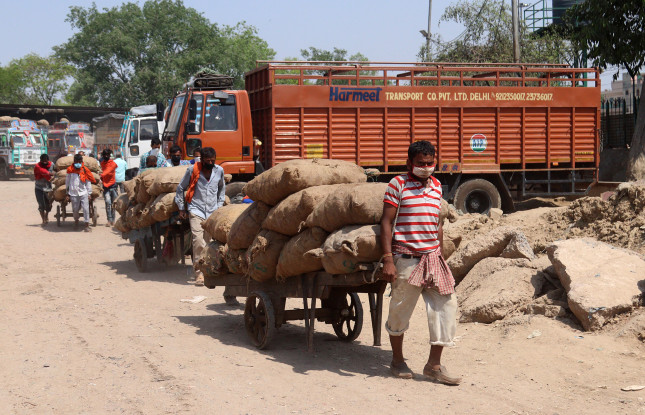
In India, COVID-19 has put the spotlight on migrant workers’ precarious working conditions. First, the sweeping lockdown left many workers jobless, forcing them to walk hundreds of kilometers to their native villages. Now, in a reaction to the coronavirus, states are loosening labor laws in a bid to get their economies up and running. As a consequence, migrant laborers have to work even more hours.
Punjab and Gujarat amended their Factories Act in April, increasing the work time to 72 hours every week. Rajasthan has upped working hours from 8 to 12 hours per day. Uttar Pradesh (UP) has exempted companies from almost all labor laws for the next three years. The relaxed UP laws relate to occupational safety, health, and working conditions, and those that pertain to contract workers and migrant laborers.
-
Pandemic of Violence: Protecting Women during COVID-19
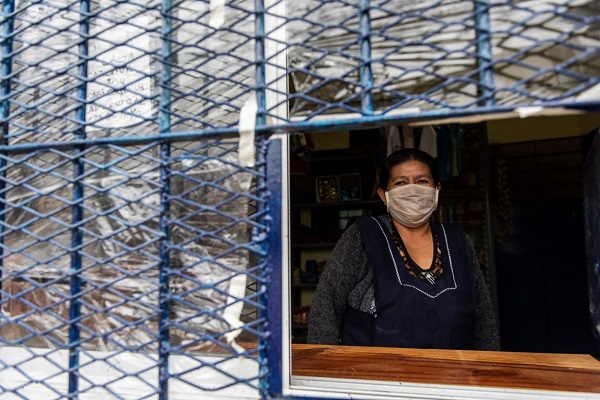
›Covid-19 // Dot-Mom // From the Wilson Center // May 27, 2020 // By Anya Prusa, Beatriz García Nice & Olivia SoledadCOVID-19 is having a profound impact on Latin American women. Gender-based violence increased drastically after governments imposed lockdowns, leaving policymakers and law enforcement scrambling to prevent attacks. Latin America was already one of the most dangerous regions for women, with the highest rate of sexual violence and some of the highest femicide numbers in the world. The Economic Commission for Latin America and the Caribbean registered 3,529 femicides in 2018, or one woman killed every two hours due to her gender. For many women living through the coronavirus pandemic in Latin America, the greater health risk might be staying home.
-
Water for the Most Vulnerable Could Help Stop Spread of Covid-19
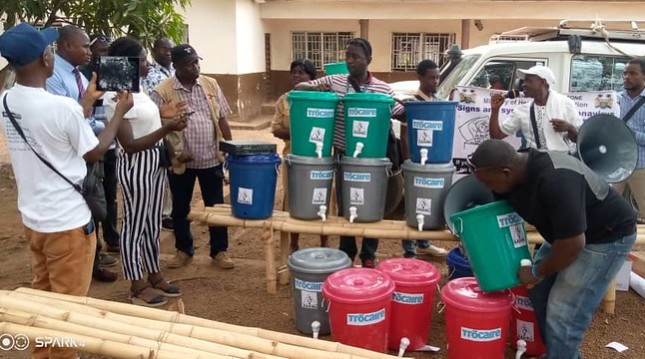
›Development specialists are sounding the alarm. The pandemic will not be stopped unless we provide safe water to the world’s most vulnerable people, according to UN experts. Soap and clean water are part of the arsenal of weapons we can deploy on the frontlines of the battle to halt the virus’ spread. Yet Covid-19 continues to pose an unprecedented threat to more than 2 billion of the world’s poorest people who lack the access to safe water, sanitation, and health services (WASH) needed to protect them during infectious disease outbreaks, according to the World Health Organization.
-
CODE BLUE: Addressing NCDs in Maternal Health Starts with Increasing Access and Reducing Disparity
›We’ve got a crisis impacting our mothers and a crisis impacting our babies, said Dr. Lisa Waddell, Senior Vice President of Maternal Child Health and NICU Innovation and Impact Deputy Medical Director at the March of Dimes, at a recent Wilson Center event launching the Maternal Health Initiative’s CODE BLUE series, developed in partnership with EMD Serono, a business of Merck KGaA, Darmstadt, Germany. She was referring to non-communicable diseases (NCDs), which impact maternal health in the United States and globally. NCDs kill 18 million women of reproductive age each year, accounting for two in every three deaths among women.
-
Safe from the Start: Addressing Gender-Based Violence in Times of Conflict and Crises
›“As a leader in providing global humanitarian aid, the United States must be a leader in protecting all aid recipients,” said Congresswoman Chrissy Houlahan (D-PA-6) at a recent event on Capitol Hill about gender-based violence in humanitarian settings. A violation against human rights, gender-based violence (GBV) is deeply rooted in gender inequality. It’s a global phenomenon that involves sexual, physical, and/or psychological violence, including child marriage, female genital mutilation, and other harmful practices.
-
Family Planning in Humanitarian Settings is Achievable and Effective
›“Family planning saves lives, even in times of crisis,” said Gwen K. Young, Managing Director at the Global Emergency Response Coalition at a Wilson Center event on October 8 on the importance of providing family planning and reproductive health services in humanitarian settings. Speakers from Save the Children, CARE, the International Rescue Committee, and FP2020 spoke to programmatic successes, innovative solutions, and local partnerships in fragile settings. Young highlighted that 1 in 70 people worldwide need humanitarian assistance and a quarter of these are women and girls of reproductive age. All told, more than 30 million women and girls in 42 countries.
-
Daulatdia: A Look Into One of the World’s Largest Brothels
›In July 2019, more than 100 child sex trafficking victims were rescued across the United States. In 2018, Colombian authorities saved more than 80 Venezuelan women and girls from sex trafficking, and later that year, 40 trafficked Ugandan women were saved in Thailand. These individuals were among the 5 million victims of sex trafficking worldwide.
Showing posts from category human rights.