-
Making Room at the Table for Businesswomen in Jordan: A Conversation with Reem Badran
› “People told me it was only for men,” says Reem Badran, Founder & CEO of Al Hurra for Management and Business Development and former member of the Jordanian House of Representatives, when speaking about her decision to run for the Amman Chamber of Commerce in the latest episode of the Riyada podcast from the Wilson Center’s Middle East Program. Badran is a Jordanian trailblazer and was recently named One of the World’s Most Successful Women in Business by the International Women’s Entrepreneurial Challenge Foundation in New York. In 2009, she became the first woman elected to the board of Amman’s Chamber of Commerce since its establishment in 1923. To this day, she remains the only woman to be elected to this post. “In our community [and] region, it is not easy for women to be able to penetrate the business community. It takes a while for people to believe in a woman and that she can have a successful business.”
 -
It’s Not Ok: How Data from Nigeria Reveals the Role of Addressing Community Attitudes to End Violence Against Women
›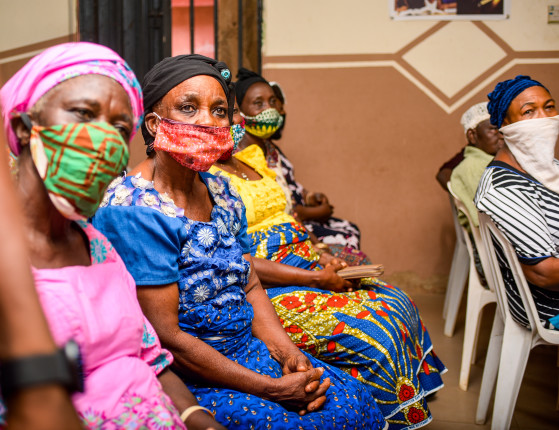
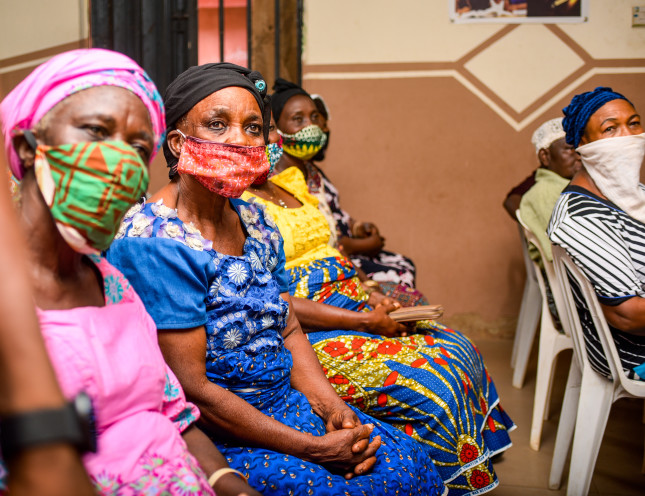
Globally, one third of women (736 million) have experienced physical and/or sexual violence, oftentimes when they were still children. Domestic violence and violence against women (VAW) have increased during the COVID-19 pandemic.
-
Raising Momentum for Integrating Respectful Maternity Care in Humanitarian Settings
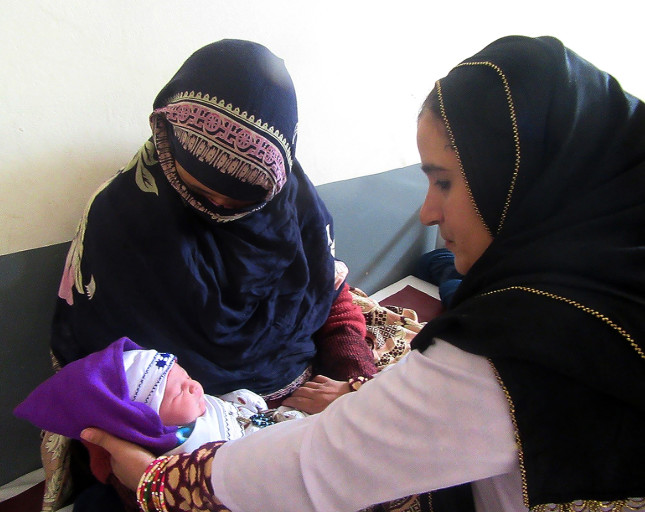
›Greater than one third of all women experience mistreatment during facility-based childbirth. Mistreatment, particularly in humanitarian settings, may include verbal or physical abuse, poor patient-provider rapport, a lack of information about maternal and newborn health (MNH) services for both pregnant women and providers, lack of privacy within facilities, challenges with receiving informed consent from women for medical procedures due to language and cultural barriers, and denied or delayed care. Such mistreatment can stem from historical tensions between populations seeking care and health workers (both foreign and local) as well as systemic mistreatment of providers who are burned out and possibly carry their own biases. Evidence shows that some women delay seeking care, or avoid care entirely because of social fears stemming from negative stigma or negative perceptions of their situation.
-
The Environmental Dimensions of the Russian Invasion of Ukraine
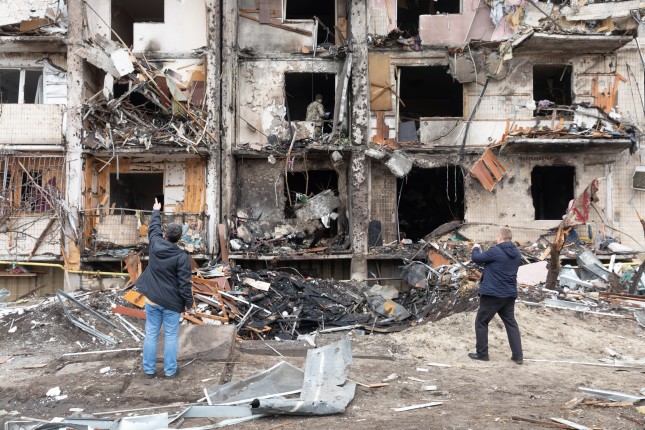
›March 4, 2022 // By Wilson Center StaffToday, the Environmental Peacebuilding Association published an open letter, signed by 902 individuals and 156 organizations from more than 75 countries, to express solidarity with the people of Ukraine in the face of Russia’s invasion and shine a light on some of the environmental risks posed by the invasion that have both short and long-term implications. Below is an excerpt of that letter.
-
Tethering to Human Rights in the Pushes and Pulls of Human Mobility
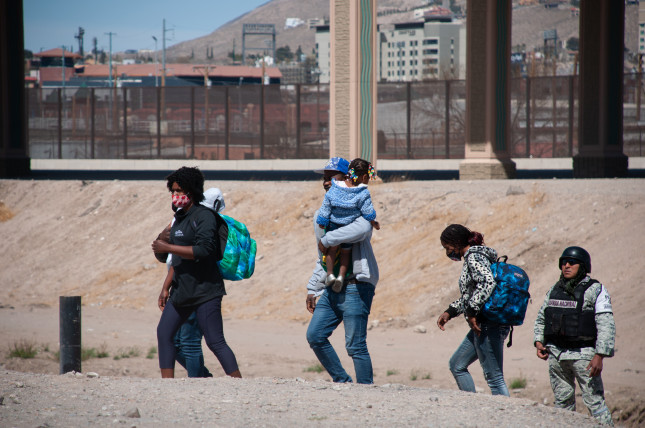
›“In the movement toward complex solutions, at the heart of it all we’re talking about individuals with their own complex issues as they are moving through different scenarios,” said Shanna McClain, Disasters Program Manager with the National Atmospheric and Space Administration, at last month’s International Conference on Environmental Peacebuilding. The panel discussion, “Resource Implications of Human Mobility and Migration,” focused on what data shows—and doesn’t show—are the complex linkages between climate, conflict, and mobility. Panelists discussed how more integrated programming and policy actions are needed to make migration safe, orderly, and voluntary, and how to keep human rights at the center of the complex processes.
-
Keeping Human Rights in Family Planning Policy as Depopulation Fears Mount
›Human rights have been central to the family planning movement for well over half a century, although family planning programs have not always lived up to the human rights commitments that governments publicly subscribe to. The right of couples to control their fertility was first codified in the 1968 Tehran Declaration, which noted that:
“Parents have a basic human right to determine freely and responsibly the number and spacing of their children.”
-
Through the COVID-19 Lens: Essential Services Needed to Prevent Unintended Pregnancies
›“The current pandemic is straining human resources, disrupting supply chains and service delivery, and negatively impacting service seeking among women and girls in countries across the globe,” said Sarah Barnes, Project Director of the Wilson Center’s Maternal Health Initiative. She spoke at a recent event, co-hosted by the UN Population Fund (UNFPA), on unintended pregnancies during the COVID-19 pandemic. The increasing rates of unintended pregnancies during the pandemic have exacerbated the vulnerabilities of many women, said Anneka Knutsson, Chief of the Sexual and Reproductive Health Branch at UNFPA.
-
Accessing Justice for Gender-Based Violence in Humanitarian Settings
›Gender-based violence (GBV) is a global epidemic rooted in gender inequality and an imbalance in power dynamics. All persons are at risk of violence because of their gender or perceived gender. Women and girls—including transgender women and girls—experience disproportionate gender-based violence, and this violence is even more prevalent among women and girls who have been forcibly displaced.
Showing posts from category human rights.
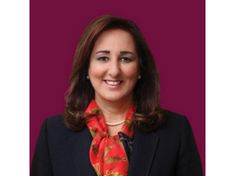 “People told me it was only for men,” says Reem Badran, Founder & CEO of Al Hurra for Management and Business Development and former member of the Jordanian House of Representatives, when speaking about her decision to run for the Amman Chamber of Commerce in the