-
What Next for U.S. Engagement on Cambodia’s Protected Forests?
›
Cambodia’s lush Prey Lang rainforest is abundant with animals, insects and birds, including endangered species, and diverse types of forests. It also provides resin tapping and other sources of livelihood for some 250,000 people, many of whom are Indigenous Kuy, living within or adjacent to the forest.
-
Water and (in-)Security in Afghanistan as the Taliban Take Over
›
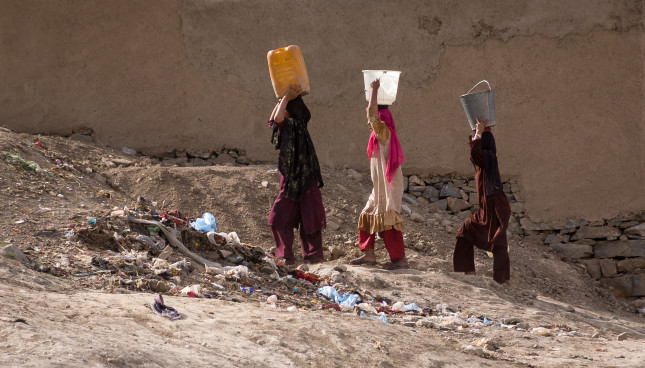
The takeover of Afghanistan by the Taliban not only threatens people’s lives, security, and fundamental freedom, but also significantly increases risks of water insecurity both immediately and in the long term. While our hearts and minds are with the people struggling for survival and freedom in Afghanistan today, we should not forget that the implications of Taliban rule will add yet another challenge to the long-term future of the Afghan people, and possibly also to the entire region’s stability.
-
Predicting the Rise and Demise of Liberal Democracy: How Well Did We Do?
›In 2007, at the (U.S.) National Intelligence Council, a colleague and I set out to determine if we could forecast two distinct political phenomena, the rise and the demise of high levels of democracy. To guide our decade-long forecasts, we relied on a simple statistical model and a spreadsheet of demographic projections from the UN’s 2006 World Population Prospects data set. Now that the experimental period (from 2010 to 2020) has ended, we can look back and ask: How well did these forecasts perform?
-
To Build or Not to Build: Western Route of China’s South-North Water Diversion Project
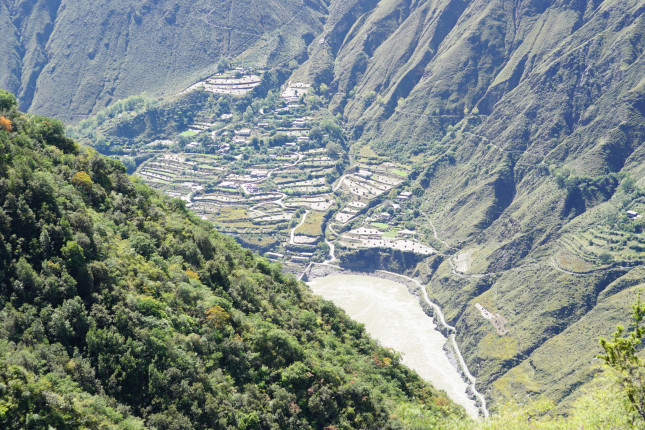
›China Environment Forum // Guest Contributor // August 12, 2021 // By Hongzhou Zhang & Genevieve Donnellon-MayOne of the biggest challenges facing China’s future development is water, which must support the country’s 1.4 billion people and booming industries. Despite being one of the top five countries with the largest freshwater resources, on a per capita basis, China faces serious water shortages which are further compounded by a highly uneven spatial distribution and precipitation: the densely populated north suffers from acute water shortages whereas the south is prone to severe floods. To optimize the allocation of water resources, China has embarked on the construction of a mega engineering project, the South North Water Diversion project (SNWD).
-
Navigating Trade-Offs Between Dams and River Conservation
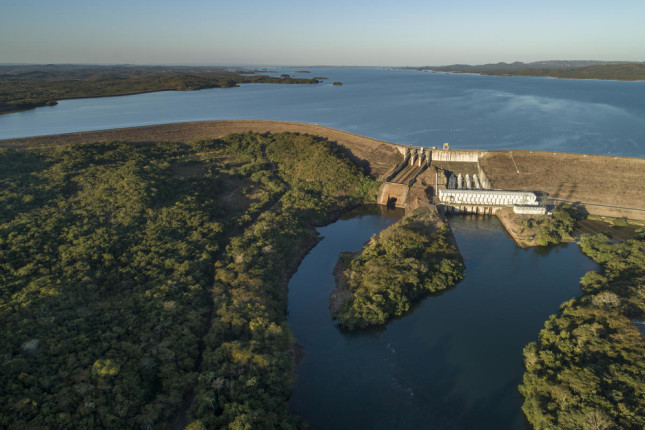
›Connected and healthy rivers deliver diverse benefits that are often overlooked: freshwater fish stocks that improve food security for hundreds of millions of people, nutrient-rich sediment that supports agriculture and keeps deltas above rising seas, floodplains that help mitigate the impact of floods, and a wealth of biodiversity. Navigating Trade-Offs Between Dams And River Conservation, a new report in the journal, Global Sustainability, reveals that if all proposed hydropower dams are built, over 260,000 km of rivers (160,000 miles), including the Amazon, Congo, Irrawaddy, and Salween mainstem rivers, will lose free-flowing status.
-
Community-managed Water Investments in Rural China: A Path for Financing WASH
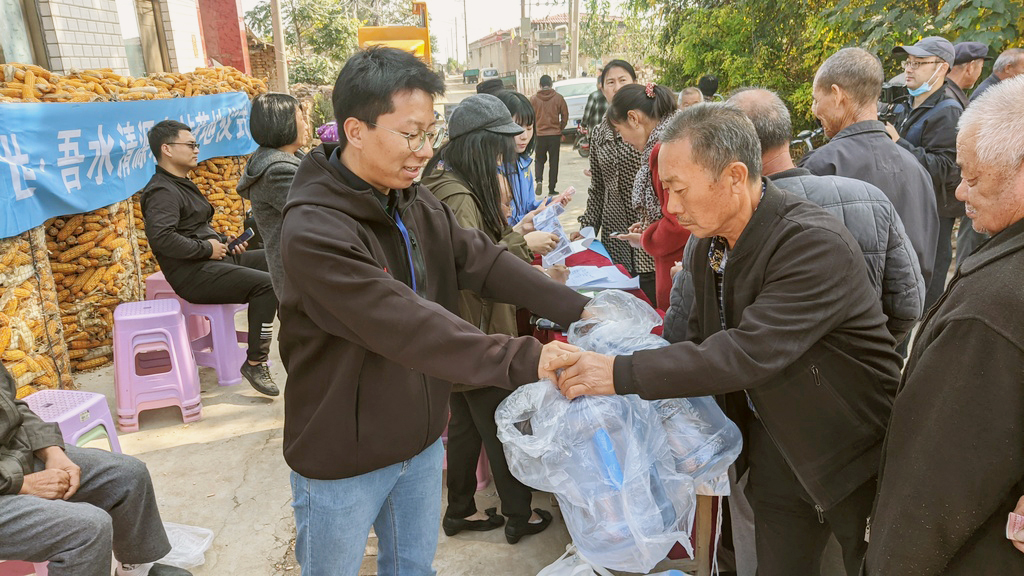
›Better access to safe drinking water and sanitation around the world could prevent the deaths of 297,000 children aged under 5 years from diarrhea each year. Likewise, the risk of infection of other common infectious diseases including cholera, hepatitis A, typhoid, and most recently – the coronavirus, can be reduced by improving access to clean water and sanitation facilities.
-
No Vaccine to End the Shadow Pandemic of Gender-Based Violence
›“Addressing gender equity and equality is essential to every other challenge we face,” said U.S. Vice President Kamala Harris in a recent speech at the Generation Equality Forum. Following the forum, countries across Francophone Africa made key commitments to end gender-based violence (GBV), including child marriage.
-
Getting Back on Track with Global Poverty Reduction
›No country has escaped the setbacks caused by COVID-19, but impacts on low-income countries are proving far worse. The World Bank estimates the pandemic and the actions necessary to contain it will drive 150 million people globally into extreme poverty. Post-pandemic, there will likely be long-term effects. Even with this grim reality, there is hope. Governments and international development organizations have accumulated a wealth of knowledge about what works to reduce poverty and increase economic activity. As the Biden administration and other actors work to build a post-pandemic environment, key lessons can be drawn from this knowledge to inform recovery efforts.
Showing posts from category Guest Contributor.