• woodrow wilson center
  • ecsp

New Security Beat

Subscribe:
  • rss
  • mail-to
  • Who We Are
  • Topics
    • Population
    • Environment
    • Security
    • Health
    • Development
  • Columns
    • China Environment Forum
    • Choke Point
    • Dot-Mom
    • Friday Podcasts
    • Navigating the Poles
    • Reading Radar
  • Multimedia
    • Water Stories (Podcast Series)
    • Backdraft (Podcast Series)
    • Tracking the Energy Titans (Interactive)
  • Films
    • Water, Conflict, and Peacebuilding (Animated Short)
    • Paving the Way (Ethiopia)
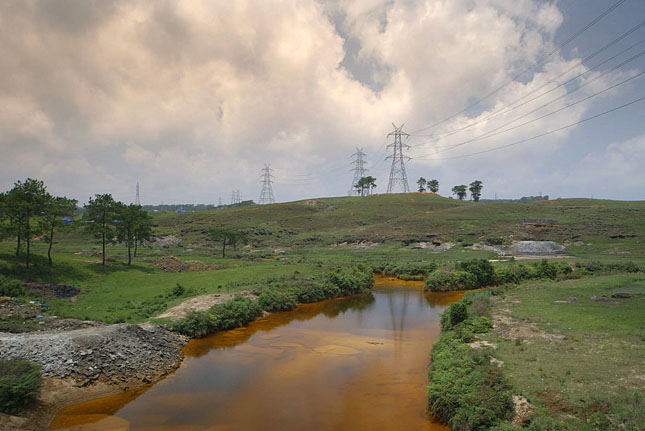
    • Broken Landscape (India)
    • Scaling the Mountain (Nepal)
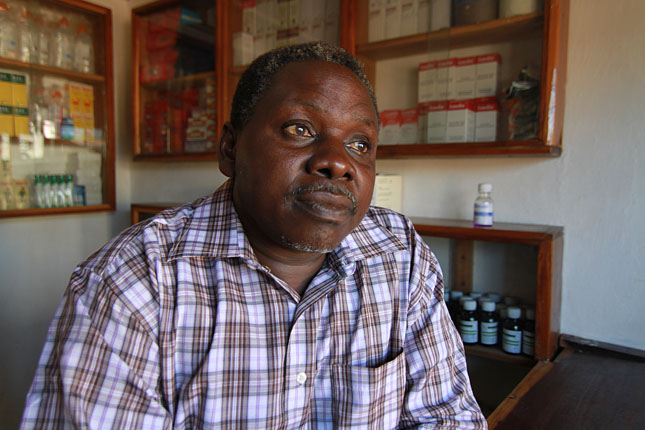
    • Healthy People, Healthy Environment (Tanzania)
  • Publications
  • Events
  • Contact Us

NewSecurityBeat

The blog of the Wilson Center's Environmental Change and Security Program
Showing posts from category global health.
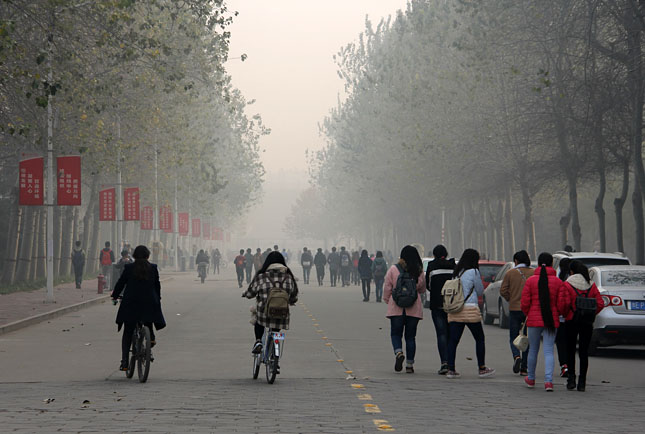
  • Geoff Dabelko: Face Down the “Four Tyrannies” to Improve Cross-Sectoral Collaboration

    ›
    Friday Podcasts  //  January 3, 2014  //  By Schuyler Null & Donald Borenstein
    Dabelko2

    What does Himalayan ice melt have to do with food security in Cambodia? A lot, when they both significantly affect the flow of the Mekong River. But when it comes to long-term planning across topical and regional lines, development agencies aren’t always as collaborative as they could be – both externally and internally.

    MORE
  • Lisa Dabek: Thinking Long Term to Save Papua New Guinea’s Tree Kangaroos

    ›
    Beat on the Ground  //  December 30, 2013  //  By Schuyler Null

    “I always say what brought me to Papua New Guinea is the tree kangaroo, and what keeps me there are the people,” said Lisa Dabek.

    MORE
  • “Childhood Must Never Be Derailed by Motherhood”: Dianne Stewart on UNFPA’s ‘State of the World Population 2013’

    ›
    Friday Podcasts  //  December 20, 2013  //  By Laura Henson
    dianne_stewart_small

    Twenty thousand girls under the age of 18 give birth each day, according to the United Nations Population Fund (UNFPA). Two million girls age 14 or younger give birth each year. Societal norms often frame adolescent pregnancy as the result of promiscuous behavior, but this year’s State of the World Population Report encourages “a shift away from interventions targeted at the girl toward broad-based approaches that build girls’ human capital, protect girls’ rights, and empower them to make decisions,” says Dianne Stewart, director of the information and external relations division of UNFPA, in this week’s podcast.

    MORE
  • Challenging Patriarchy: The Changing Definition of Women’s Empowerment

    ›
    Dot-Mom  //  From the Wilson Center  //  December 19, 2013  //  By Donald Borenstein
    alaka-basu

    As more organizations in the international development community commit themselves to supporting women’s empowerment, it has grown increasingly difficult to evaluate what that really entails. [Video Below]

    MORE
  • Beyond the Horizon: Understanding the Future for Better Development Today

    ›
    December 16, 2013  //  By Kathleen Mogelgaard
    haiyan-futures-analysis

    When Super Typhoon Haiyan ripped through the Philippines last month, the incredible damage visited on the people, infrastructure, and land was shaped by trends that have been in motion for decades. The country’s population has been growing rapidly, with high concentrations of people living in cities and along the coast; economic growth had been steady, but weak governance and corruption may have exacerbated vulnerability; and the gradual loss of coastal forests and mangroves left many communities exposed to the full brunt of the typhoon’s storm surge. On a positive note, wireless technology and crowd-sourced data helped in disaster response.

    MORE
  • Vik Mohan: Madagascar’s Cyclone Haruna Showed Benefits of Integrated Development

    ›
    December 10, 2013  //  By Jacob Glass

    When Cyclone Haruna swept across Madagascar last February, Blue Ventures, a marine conservation and community health organization, found themselves in a surprising new role. “We went from development, to aid, and back to development, in an integrated way we never expected,” said Medical Director Vik Mohan in an interview at the Wilson Center.

    MORE
  • Gender Gaining Ground at Climate Change Negotiations

    ›
    Guest Contributor  //  December 9, 2013  //  By Maria Prebble
    COP19-gaining-ground

    Last month, more than 10,000 negotiators from 189 countries attended the latest UN climate change conference, known as the 19th Conference of the Parties, or COP-19, this year held in Warsaw. To many, COP-19 fell frustratingly short of its already low expectations: there were no significant new agreements and 132 developing countries along with many major non-government groups staged a walkout in protest. However, it was notable for several signs of continued progress in bringing women’s voices to the negotiating table.

    MORE
  • Jay Gribble: For Demographic Dividend, Invest in Health, Education, and Governance

    ›
    Friday Podcasts  //  December 6, 2013  //  By Jacob Glass
    jay-gribble-small

    Developing countries with youthful populations may have the opportunity to take advantage of a phenomenon called the “demographic dividend,” when a decline from high to low fertility rates leads to slower population growth and a large working age population. But “age structure alone isn’t going to make it happen,” says Jay Gribble of Abt Associates in this week’s podcast.

    MORE
Newer Posts   Older Posts
View full site

Join the Conversation

  • RSS
  • subscribe
  • facebook
  • G+
  • twitter
  • iTunes
  • podomatic
  • youtube
Tweets by NewSecurityBeat

Trending Stories

  • unfccclogo1
  • Pop at COP: Population and Family Planning at the UN Climate Negotiations

Featured Media

Backdraft Podcast

play Backdraft
Podcasts

More »

What You're Saying

  • Volunteers,At,The,Lagos,Food,Bank,Initiative,Outreach,To,Ikotun, Pan-African Response to COVID-19: New Forms of Environmental Peacebuilding Emerge
    Rashida Salifu: Great piece 👍🏾 Africa as a continent has suffered this unfortunate pandemic.But it has also...
  • A desert road near Kuqa An Unholy Trinity: Xinjiang’s Unhealthy Relationship With Coal, Water, and the Quest for Development
    Ismail: It is more historically accurate to refer to Xinjiang as East Turkistan.
  • shutterstock_1779654803 Leverage COVID-19 Data Collection Networks for Environmental Peacebuilding
    Carsten Pran: Thanks for reading! It will be interesting to see how society adapts to droves of new information in...

What We’re Reading

  • Rising rates of food instability in Latin America threaten women and Venezuelan migrants
  • Treetop sensors help Indonesia eavesdrop on forests to cut logging
  • 'Seat at the table': Women's land rights seen as key to climate fight
  • A Surprise in Africa: Air Pollution Falls as Economies Rise
  • Himalayan glacier disaster highlights climate change risks
More »
  • woodrow
  • ecsp
  • RSS Feed
  • YouTube
  • Twitter
  • Facebook
  • Home
  • Who We Are
  • Publications
  • Events
  • Wilson Center
  • Contact Us
  • Print Friendly Page

© Copyright 2007-2021. Environmental Change and Security Program.

Woodrow Wilson International Center for Scholars. All rights reserved.

Developed by Vico Rock Media

Environmental Change and Security Program

Woodrow Wilson International Center for Scholars

Ronald Reagan Building and International Trade Center

  • One Woodrow Wilson Plaza
  • 1300 Pennsylvania Ave., NW
  • Washington, DC 20004-3027

T 202-691-4000