-
Environmental Security Weekly Watch: April 6-10, 2026
›
A window into what we’re reading at the Stimson Center’s Environmental Security Program
Argentina’s “Glacier Law” Opens Ecologically Sensitive Areas to Mining (Al-Jazeera)
Politicians in Argentina approved a bill pushed by President Javier Milei to authorize mining in ecologically sensitive areas of the nation containing nearly 17,000 glaciers and/or rock glaciers and permafrost which heavily support the country’s water security. Dubbed the “Glacier Law,” the measure is designed to leverage the vast critical mineral reserves (such as copper and lithium) found in frozen parts of the Andes mountains.
-
Environmental Security Weekly Watch: March 9-13, 2026
›
A window into what we’re reading at the Stimson Center’s Environmental Security Program
As Gulf Conflict Widens, So Does Its Environmental Footprint (Dialogue Earth)
The Conflict and Environment Observatory identified at least 120 incidents of environmental harm across 11 countries since the start of U.S. and Israelis began attacks on Iran, as both sides have made oil infrastructure, military facilities, and strategic sites primary targets. The burgeoning conflict poses nuclear, chemical, and long-term carbon risks, as strikes on refineries, tankers, and storage sites degrade air quality, contaminate water contamination, and harm marine ecosystems. And other serious catastrophes loom as the war develops. The IAEA warns that any radioactive release from strikes that target nuclear sites could require evacuating areas the size of major cities.
-
Environmental Security Weekly Watch: February 16-20, 2026
›A window into what we’re reading at the Stimson Center’s Environmental Security Program
Rapid Central Asia Glacial Melt Threatens Water Security (The Diplomat)
A recent study projects that the Tian Shan mountains, the primary freshwater source for millions across Central Asia and China’s Xinjiang region, will lose approximately one-third of their glacier area before 2040. Already, the region has seen a 27% drop in glacial mass and an 18% drop in areas over the last 50 years. The Tian Shan’s smaller glaciers respond more rapidly to warming temperatures, as rising temperatures reduce the snowfall that historically replenishes glacial mass. These glacial and meteorological conditions create a compounding effect that makes the Tian Shan more vulnerable than the larger, slower-responding glaciers of the Karakoram, Pamir, and Himalaya ranges.
-
ECSP Weekly Watch | December 16 – 20
›A window into what we’re reading at the Wilson Center’s Environmental Change and Security Program
Humanitarians Highlight the Climate-Conflict Nexus (The New Humanitarian)
Climate change’s disproportionate impacts on vulnerable populations exacerbate socioeconomic inequalities and conflict, particularly during natural disasters. This vexed connection has led humanitarians and peacebuilders increasingly to address climate and conflict challenges together in order to provide integrated relief, recovery, and aid.
-
ECSP Weekly Watch: February 19 – 23
›A window into what we are reading at the Wilson Center’s Environmental Change and Security ProgramProgress—and Room for Improvement—in UNEP’s Annual Report (United Nations Environment Programme)
How effective is the United Nations Environment Programme (UNEP)’s work on the fight against climate change? Its Annual Report analyzed the work it has done over the past year to do so. The UNEP supports key areas in which progress has been made, including waste reduction through the Global Framework on Chemicals and global instrument on plastic pollution, biodiversity protection efforts through various frameworks, and loss and damage mobilization through COP28.
-
No Water, No Food – Glacier Loss Threatens US and Chinese Agriculture
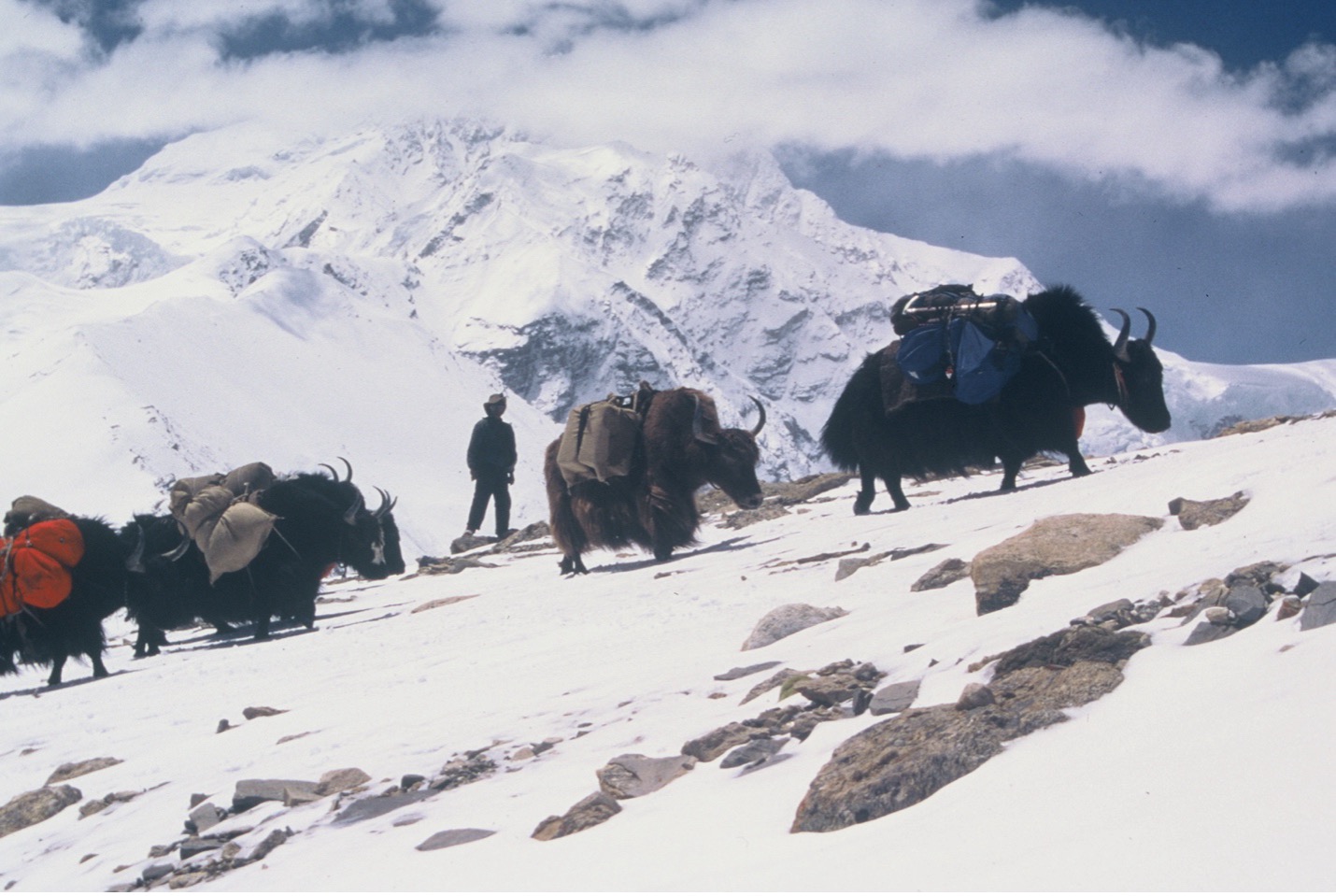
›Picture this: A parade of yaks carrying insulated boxes containing meter-long ice core samples from Tibetan glaciers. “Yaks are like cats,” elite glacier scientist Lonnie Thompson explained in a 2023 Wilson Center webinar. They like to wander off — and it takes experienced Tibetan yak herders to keep them moving in the same direction.
Yet these yak-schlepped ice cores are essential to climate science, added Ellen Mosely Thompson. They store thousands of years of atmospheric dust and gasses in distinct layers and serve as a record of our changing climate.
Showing posts from category glacier.