Showing posts from category gender.
-
Book Launch: ‘The Future Faces of War: Population and National Security,’ by Jennifer Dabbs Sciubba
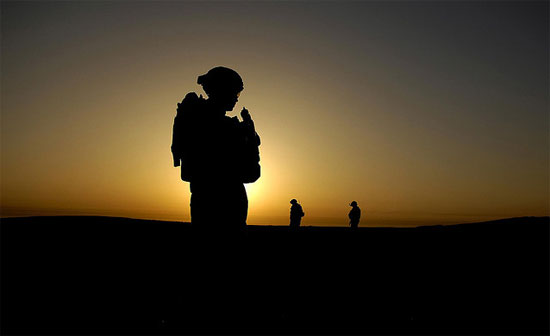
›“Demographic trends by themselves are neither inherently good nor bad. It’s really a state’s ability to address these issues that can determine the outcome,” said Jennifer Dabbs Sciubba, the Mellon Environmental Fellow with the Department of International Studies at Rhodes College. At a book launch event at the Wilson Center on March 14 for The Future Faces of War: Population and National Security, Sciubba, along with Deputy Under Secretary Kathleen Hicks of the Department of Defense, discussed the national security implications of demography and its important role in understanding and managing conflicts around the world. [Video Below]
Demography as an Indicator, Multiplier, and Resource
Demography can be thought of in three ways, explained Sciubba: as “an indicator of challenge and opportunity; a multiplier of conflict and progress; and a resource for power and prosperity.”
A country’s age structure can pose a challenge, said Sciubba, because countries with a large percentage of their population under the age of 30 “are about two and a half times more likely to experience civil conflict than states with more mature age structures.” Tunisia’s recent revolution, she said, could be understood as a “story about demography.”
The 26-year-old fruit vendor Mohammed Bouazizi, who set himself on fire on December 17 after being hassled by police, was part of one of the largest age cohorts in Tunisia, those aged 25-29. There are some 64 million young men across the Middle East-North Africa region between the ages of 15 and 30, according to UN estimates. “If his death was the spark” for the unrest in the region, Sciubba said, “it’s the underlying demographic trends that were the fodder.”
Yet, Sciubba sees opportunity within this challenge. Citing the work of Richard Cincotta, she said that “states have half a chance – literally 50 percent – of becoming a democracy once their proportion of youth declines to less than 40 percent.” Tunisia has the best chance in the region of becoming a free democracy based on its demography, followed by Libya, where youth aged 15-29 are 43 percent of the adult population.
At the other end of the age structure, some of the world’s most powerful countries, such as Japan, Germany, Italy, France, Russia, and China, are rapidly aging. This aging will “somewhat decrease the ability of these states to project political, economic, and military power” due to a shortage of labor and a smaller pool of funding, said Sciubba.
Countries with transitional age structures, such as India, Brazil, and South Africa, face different security challenges. With a majority of their populations between 15 and 60 years old, there are more people contributing to the economy than are taking away, which could bolster these countries economically and politically (the “demographic dividend”). Global institutions will have to reform and include these countries, she advised, “or else become irrelevant.”
But the defining trend of the 21st century, said Sciubba, is urbanization. While great sources of economic growth, cities are also quite vulnerable to natural disasters and terrorism because of their concentrations of people, wealth, infrastructure, and bureaucracy.
In looking to the future, Sciubba called for continued support for family planning initiatives. “At least 90 percent of future world population growth will take place in less developed countries,” which are least equipped to handle the demands of that growth, she said. In addition, Sciubba recommended that the United States seek out partnerships with countries that have transitional age structures, particularly India, which could be a stabilizing force in a tumultuous region. She also called on the United States to partner with states in the Western Hemisphere and remain open to migration.
Defense and Demography
“Understanding population is critical to our success in being able to prevent conflict, and also managing conflict and crises once we’re involved,” said Hicks, describing the Department of Defense’s (DOD) interest in demography. However, the DOD does not “treat demographics as destiny,” she said, but instead as “one of several key trends, the complex interplay of which may spark or exacerbate future conflicts.”
Recent world events, such as those in the Middle East and North Africa, “have demonstrated how critical our understanding of population is for security practitioners,” said Hicks. Similarly, the recent earthquake and tsunami in Japan dramatically illustrate the vulnerability of large urban areas. Echoing Sciubba’s comments on population aging, she cited “incredible divestments in defense” in Europe, which, she said, “puts us, as a key partner in NATO, at a thinking stage.”
Under Secretary of Defense for Policy Michèle Flournoy is “deeply interested” in demographic issues, said Hicks. She identified other demographic areas of great interest for her office: the youth bulge in Pakistan, urbanization in Afghanistan, the role of highly educated women in Saudi Arabia, the Chinese diaspora in the Americas, Russia’s shrinking population, and various trends in China, including aging, gender imbalance, urbanization, and migration.
Image credit: “Iraq,” courtesy of flickr user The U.S. Army.
Sources: ECSP Report 12, Financial Times, The New York Times, Population Reference Bureau, UN Population Division. -
Eric Zuehlke, Behind the Numbers
Building a Gender Strategy for the Afghanistan Ministry of Public Health
›March 25, 2011 // By Wilson Center StaffThe original version of this article, by Eric Zuehlke, appeared on the Population Reference Bureau’s Behind the Numbers blog.
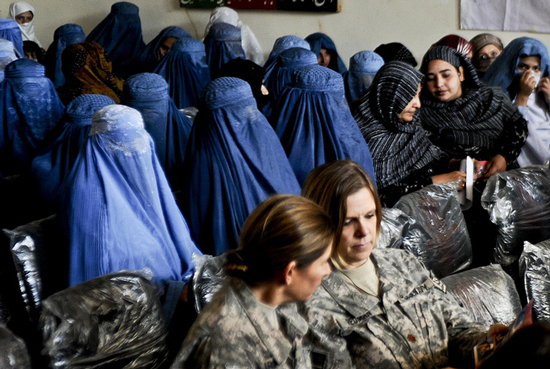
Recent media reports have focused on the stalled progress for women in Afghanistan and the shift in the international community’s focus as they take steps towards an eventual military withdrawl. Although there’s much work to be done, it’s important to note that there has been tangible improvement for women in Afghanistan. A decade ago, women weren’t allowed to go out in public alone. Girls weren’t allowed to attend school – now 57 percent of girls are in school. And gender issues are now being integrated into government policy.
At an Interagency Gender Working Group (IGWG) Plenary in honor of 2011 International Women’s Day hosted by PATH in Washington DC, Karen Hardee, a senior fellow at PRB and president of Hardee Associates, presented her involvement towards developing the National Gender Strategy for the Afghanistan Ministry of Public Health for 2011-2015. Much international development program and policy advocacy calls for attention to “gender,” but what does the term mean? “Gender isn’t just about women,” said Hardee, but is defined as the social roles that men and women play because of the way society is organized. But these roles aren’t set in stone; they can change over time.
Funded by USAID, the Health Services Support Project worked with the Afghan government to create a plan to integrate gender considerations into all public health programs and policies, focusing mostly on mental health and gender-based violence. Interestingly, the impetus of the process stemmed the initiative of a male official in the Ministry of Public Health who requested assistance to write a plan to integrate gender into the Ministry’s policies and programs. Having participated in WHO-sponsored gender training workshops in the past, he understood the importance of mainstreaming gender awareness for both men and women. It’s a great example of the tangible effects of the work being done on gender by NGOs and international donors.
Continue reading on Behind the Numbers.
Sources: The Guardian.
Photo Credit: “PRT, ADT women help celebrate Women’s Day in Kunar,” courtesy of flickr user DVIDSHUB. -
Carla Koppell and Haleh Esfandiari
Make Sure Women Can Lead in the Middle East
›In Libya, Egypt, Bahrain, Yemen, Tunisia, and elsewhere, women have stood with men pushing for change. In Libya, Iman and Salwa Bagaighif are helping lead, shape, and support protesters. And in Egypt, the Egyptian Organization for Human Rights, one of the oldest and most well-known non-governmental organizations in Egypt, estimated that at least 20 percent of the protesters were women.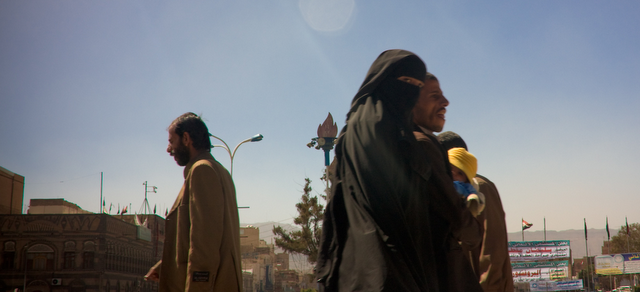
For example, the 26-year-old co-founder of Egypt’s April 6 Youth Movement, Asmaa Mahfouz, mobilized thousands of youth in support of the protest through her impassioned YouTube video. In Yemen, a 32-year-old mother of three, Tawakkul Karman, helped organize protests against the current government.
History of Frustration
Yet women’s leadership is not a new phenomenon. In Iran, women have for many years successfully pushed for greater freedom in personal status law and greater employment and educational opportunities. Many Iranian women have been imprisoned simply for endorsing the Million Signature Campaign, which seeks equal rights and the repeal of laws that discriminate against women.
Women have been using social media and leveraged communications technology to pursue greater social and political openness since before the arrival of Iranian President Mahmoud Ahmadinejad. Notwithstanding a rich history of non-violent activism and extraordinary leadership, women have rarely been involved in political decision-making in the Middle East and North Africa region.
At an even more basic level, women do not feel confident that their rights will be preserved under the systems emerging from recent political transformations.
In Iraq, there have been female judges since the 1950s and thus many of women’s rights have been protected since 1978 by a personal status law. Yet in 2003, the new Iraqi Governing Council sought to strip women of these rights. Only in the face of domestic petitions, letter writing, and face-to-face advocacy were women successful in ensuring their rights were preserved. Iraqi women continue to face efforts to reduce their freedoms and each time they have defeated the assault.
Already Egyptian women are risking similar marginalization. There are no women on the committee revising the constitution. In an almost uncanny parallel to the struggle of Iraqi women after former President Saddam Hussein, Egyptians have drafted a petition, endorsed by over 60 local organizations, decrying women’s absence from transitional political bodies.
Bias embedded in the new draft constitution suggests that these concerns may be real.
“Prerequisite for an Arab Renaissance”
The international community and the new generation of progressive, democracy-minded leaders in the Middle East need to see women as critical partners for change. The evidence is indisputable. The 2005 UN Arab Human Development Report cautions that under-employment and under-investment in women severely drains overall well-being and concludes that “the rise of women is in fact a prerequisite for an Arab renaissance, inseparably and causally linked to the fate of the Arab world.”
The world has an unprecedented opportunity to transform nations held down for decades by oppressive regimes. We must make sure that this opportunity is open to all citizens, including women.
Women’s role must be honored in the struggle and protected against the fundamentalist push. Most importantly, their involvement will be key to enabling pluralistic, economically thriving societies to emerge in a region where progress has been stalled for generations.
The window is small but the time is now and the opportunity is enormous. As we celebrate the 100th anniversary of International Women’s Day, let’s remember how critical advancing the status of women will be to success.
Carla Koppell is director of The Institute for Inclusive Security. Haleh Esfandiari is director of the Wilson Center’s Middle East Program. This article was originally written for the Common Ground News Service.
Sources: UN Development Programme, Women Living Under Muslim Laws.
Photo Credit: Adapted from “Just Passing Through,” courtesy of flickr user Alexbip. -
Celebrating Ordinary Women Doing Extraordinary Things to Improve Gender Equality and Maternal Health Worldwide
›As coordinator of one of the few forums dedicated solely to maternal and reproductive health in Washington, D.C., I am particularly excited about this year’s 100th anniversary of International Women’s Day. This day commemorates ordinary women doing extraordinary things and acknowledges both the progress made and barriers still faced by women worldwide.
“When it comes to the boardroom meetings, government sessions, peace negotiations, and other assemblies where crucial decisions are made in the world, women are too often absent,” said Secretary of State Hillary Clinton during her remarks for International Women’s Day. “It is clear that more work needs to be done to consolidate our gains and to keep momentum moving forward.” [Video Below]
For mothers worldwide, some momentum has indeed been gained: Maternal mortality rates dropped from 526,000 a year in 1980 to 342,900 in 2008, according to a report by the Institute of Health Metrics and Evaluation at the University of Washington. In September of last year, a group of international leaders – including the UN and other multilateral institutions, donors, the business community, and NGOs – launched the “Global Strategy for Women and Children’s Health” and committed $40 billion to save the lives of 16 million women and children in developing countries.
At the sixth meeting of the Wilson Center’s Advancing Policy Dialogue on Maternal Health Series, Mayra Buvinic, sector director of the World Bank’s gender and development group, said: “Investing in women and girls is the right thing to do. It is not only fair for gender equality, but it is smart economics.” She said the World Bank has found that empowering women allows families to better endure economic crises and leads to better futures for their children as well.“When women have better education and health, mothers have greater household decision-making power and prioritize the well-being of their children,” said Buvinic. “In return, children have better educational attainment and are productive adults, building long-term economic growth.”
However, increased investment will only pay off when money is translated into action and stakeholders are held accountable for empowering women.
Since the inauguration of International Women’s Day 100 years ago, the low status of women in many parts of the world has remained relatively unchanged. Many women are still subject to male-dominated values that preclude them from making basic decisions about “who to marry, when to marry, when to have children, and how many children to have,” said Nafis Sadik, special envoy of the UN Secretary-General for HIV/AIDS, in an interview with the Population Reference Bureau. To change this, international development strategies need to prioritize improving gender equality, women’s status, and women’s voice in the political process.
I am grateful to be working in collaboration with extraordinary institutions such as the Maternal Health Task Force (MHTF) and United Nations Population Fund (UNFPA) who take real steps every day to help improve the lives of women and girls. In collaboration with these institutions, the Wilson Center’s Global Health Initiative is please to announce that it will partner with the African Population Health Research Center in Kenya to co-host a three-part dialogue series with local, regional, and national decision-makers on effective maternal health policies and programs. These in-country dialogue meetings will create a platform for field workers, policymakers, program managers, media, and donors to share research, disseminate lessons learned, and address concerns related to policy, institutional, and organizational capacity building for improved maternal health outcomes.
It is our goal that programs like these will continue to highlight neglected maternal health and issues and galvanize the community everyday – and not just on International Women’s Day.
Sources: Population Reference Bureau, UN, UN Population Fund, U.S. State Department.
Photo Credit: Afghan girl, courtesy of flickr user U.S Embassy Kabul Afghanistan, and Secretary Clinton’s video address courtesy of the U.S. State Department. -
What’s Behind Iraq’s Day of Rage? It’s Pretty Basic
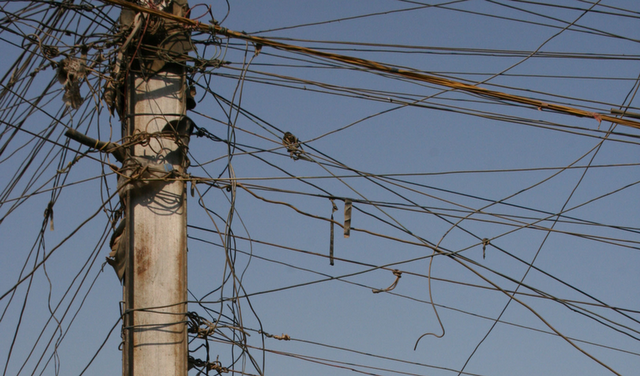
›March 4, 2011 // By Schuyler NullIraq’s “Day of Rage” – a phenomenon that has swept the Middle East since Tunisia’s “Jasmine Revolution” – reportedly claimed the lives of nearly 20 people last week. But though the protests may have been inspired by the current broader movement in the region, they are also a symptom of long-standing grievances ordinary Iraqis have had with their government since the American invasion, including lack of public services like access to clean water and especially, reliable electricity.
While these protests alone are unlikely to lead to revolution, they reveal basic livelihood challenges that neither the United States nor the Maliki government have effectively addressed.
The protests in Baghdad and more than 10 other cities were the largest since last summer, when demonstrations over access to electricity led to the death of two protestors in Basra. The New Security Beat spoke to Iraq’s first Minister of the Environment, Mishkat Al Moumin, after those protests to ask her about the lack of services and Iraq’s other non-security challenges, including water security, women’s empowerment, and demographics. She said that decentralizing decision-making power might help alleviate pressure on the government and provide more effective local services:Enacting policies at the local level establishes a sense of ownership among local communities and provides them with an incentive to protect their environmental resources. Moreover, it provides a better opportunity to involve the main stakeholders in policymaking.
Frederick Burkle, senior public policy scholar at the Wilson Center and a senior fellow of the Harvard Humanitarian Initiative at the Harvard School of Public Health, recently cited the military’s failure to restore services, specifically public health services in Iraq, as something the State Department and USAID should seize on to justify the end of “militarized aid.” He pointed out that a 2004 joint report by the Iraqi Ministry of Health and Red Cross found more death and illness was due to the country’s decimated public health infrastructure and social protections than to the violence of war:These indirect deaths from war are preventable but require attention from the occupying powers to the invaded country’s declining public health, social, and physical protections. Iraqis were well aware of this deficiency, and the United States’ lack of attention to the matter led to the loss of lasting trust.
For more on Iraq, be sure to also check out The New Security Beat’s interview with Steve Lonergan, former head of Canada-Iraq Marshlands Initiative, on the state of the southern marshes and their potential for peacemaking.
Sources: Foreign Affairs, The New York Times.
Photo Credit: Adapted from “Tangle of electrical wires in Baghdad,” courtesy of flickr user News Hour (PBS News Hour – Larisa Epatko). -
‘Dialogue’ Interviews International Reporting Project Fellows on Liberia
›Since 1998, the International Reporting Project has been a pioneer in the “non-profit journalism” movement that seeks to fill the gap left by much of the mainstream media’s reduction in international news coverage. IRP has provided opportunities to more than 300 U.S. journalists to travel to more than 85 countries to produce award-winning reports. This month on the Wilson Center’s Dialogue program, host John Milewski speaks with guests Sunni Khalid, Ed Robbins, and Teresa Wiltz. They recently participated in an intensive fact-finding visit to Liberia under the auspices of the International Reporting Project where they produced stories on the country’s ongoing development and women’s empowerment efforts (among other topics).
Sunni Khalid is managing news editor for WYPR in Baltimore, Maryland. Previously, he worked for Time, The Washington Times, USA Today, Voice of America, and NPR.
Ed Robbins is an independent, multi-award winning director, writer, producer, and videographer. Outlets for his work have included PBS, The Discovery Channel, National Geographic Channel, ABC, and the BBC.
Teresa Wiltz is a senior editor for The Root, where she helps oversee the production of the African-American web-magazine. She previously served as a staff writer for The Washington Post’s style section.
The full 30 minute interview is available at the Wilson Center.
To hear more about their projects, see The New Security Beat’s “A Lens Into Liberia: Experiences from IRP Gatekeepers.” -
QDDR Coverage Wrap-up: Institutional Shifts, Development-as-Security, Women’s Empowerment, and Complex New Threats
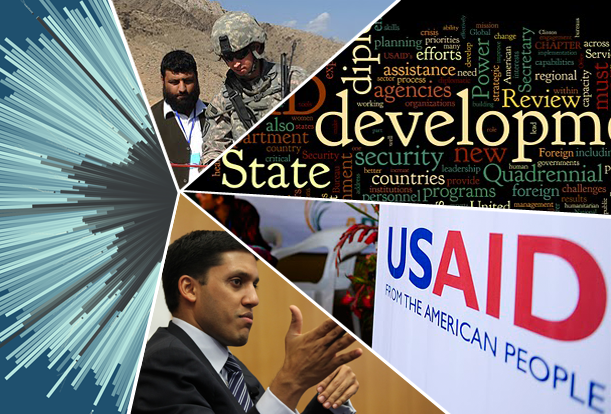
›February 23, 2011 // By Schuyler NullSomewhat lost in the wake of turmoil in the Middle East and the budget battle in Congress has been the State Department’s most aggressive attempt yet to reshape itself for the dynamic foreign policy challenges of the 21st century.
-
Can Women Help Make Peace Agreements Sustainable?
›The role of women in civil society and their involvement in peace negotiations has been notable, though women have often been overlooked as mediators in peace talks.
On January 20, the Wilson Center’s Middle East Program and the Institute for Inclusive Security (IIS) hosted a meeting titled “Can Women Help Make Peace Agreements Sustainable?” with Luz Mendez, member of the Advisory Council of the Global Fund for Women, Guatemala; Jacques Paul Klein, former United Nations Secretary General’s special representative and coordinator of United Nations operations, Liberia; Alice Nderitu, National Cohesion and Integration Commission, Kenya; and Suaad Allami, director, Sadr City Women’s Center and Legal Clinic, Iraq. Carla Koppell, director of the Institute for Inclusive Security, moderated the event.
Mendez recounted her experiences at the negotiating table during the peace process that ended a 36-year war in Guatemala. She described the shift in that process when the United Nations went from observer to mediator once participants realized the original format was not producing results. Mendez emphasized the challenges she faced when trying to address women’s rights concerns in talks, being the only woman present for four years of the five-year process. She also described the satisfaction she felt when the UN moderator consulted her on the inclusion of particular women’s rights provisions. Mendez also highlighted the ongoing challenges in Guatemala, such as weak implementation mechanisms for the accords, the ubiquity of femicide, and the persistence of socioeconomic grievances.
Klein, who served the UN aiding victims in Bosnia-Herzegovina and Liberia, denounced the violence and hatred that often erupts when a state is too weak to implement rule of law and is unable to turn its human capital into a source of strength. He described the prevalence of human trafficking witnessed throughout his career and the programs implemented to rescue kidnapped and exploited women. He concluded by emphasizing the responsibility and ability that each individual has to foster tolerance and take action against violence and repression.
Nderitu reviewed the origins of ethnic tensions in Kenya, which erupted into violence following elections in 2007-2008, as well as the role of women in the subsequent peace negotiations. She referred to the Kenya National Dialogue and Reconciliation agreements mediated by Kofi Annan, which involved women throughout the peace process. These agreements focused on ending violence and the humanitarian crises while also addressing longstanding issues such as poverty, inequality, and unemployment.
Allami described the rise of the conservative movement in Iraq since the fall of Saddam Hussein, which has effectively limited women’s rights and freedoms codified in the existing Iraqi personal status law. She stated that coalition forces in Iraq helped to limit this trend, but the situation was still contentious because Iraqi leadership tends to not work with women’s groups even though women are mandated to comprise no less than 25 percent of parliament. Allami indicated that female leadership is ultimately weakened if the general female population’s rights are repressed. She also discussed the commitment the international community and the United States have made to Iraqi women.
Koppell concluded by discussing how there are plenty of models throughout the world where women in civil society have been brought into negotiations and peacemaking; policymakers can no longer justify the exclusion of women by claiming there are no proven strategies of inclusion.
Sara Girgis is an intern with the Middle East Program at the Wilson Center.
Photo Credit: “070905-A-5406P-024,” courtesy of flickr user The U.S. Army. Sgt. Yasser Ahmed, a soldier from the Iraqi Army’s 3rd Battalion, 1st Brigade, 11th Infantry Division, talks with a local woman during a patrol in the Graya’at area of Baghdad’s Adhamiyah District Sep. 5.