-
Queering Climate Action: A Transformative Task
›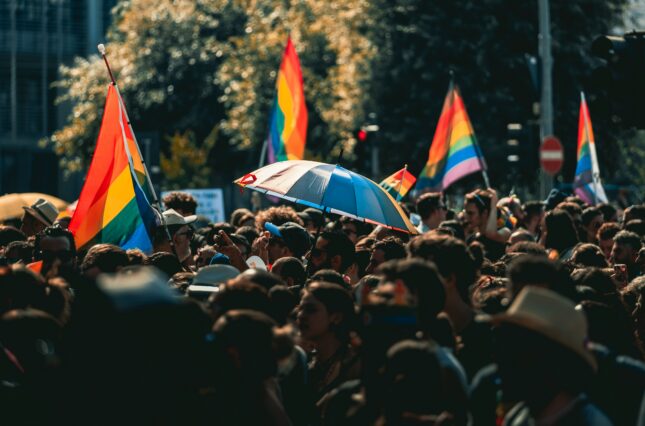
LGBTIQ+ organizations and activists increasingly speak of “queering” systems such as global climate action, global refugee systems, or humanitarian response. Sometimes, this is a rhetorical reboot of existing strategies for increasing inclusion, with ‘queer’ used as a reclaimed shorthand for LGBTIQ+ people. The process of tweaking existing social and economic systems to address climate change and security threats should also certainly ensure the inclusion of LGBTQI+ people.
-
Innovative Strategies: Engaging Midwives in Climate Adaptation and Resilience
›
“There is a really important need in talking about knowledge equity around what is actually happening with the climate crisis, and what happens to maternal [and] neo-natal health as a result of it,” said Neha Mankani, Midwifery Association Capacity Assessment Strengthening Lead at the International Confederation of Midwives, at a recent Wilson Center event titled “Midwives Are Key to Climate Resilience.”
-
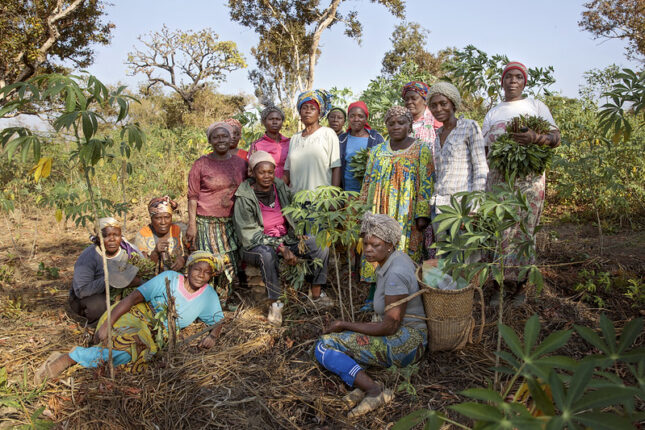
Climate Change and Gender Roles: Women’s Active Role in Adaptation
›“The success or failure of any adaptation strategy or action highly depends on the understanding of the capacities of a community or an individual to adapt to climate-associated risks,” write the authors of a recent systematic review of literature, Gender and Adaptive Capacity in Climate Change Scholarship of Developing Countries.
-
State of the World Population Report: Interwoven Lives
›In 2024, the world marks the thirtieth anniversary of the 1994 International Conference on Population and Development (ICPD) in Cairo. At this pivotal meeting, 179 countries produced a watershed Program of Action (PoA) that put people at the center of development to better realize health, rights and choices for all. This PoA prioritized human rights, the empowerment of women and girls, and addressed existing inequalities. It also put forth a new strategy that emphasized vital linkages between population and development that moved away from a focus on demographic targets, like fertility rates, and shifted the focus to the needs of individual women and men.
-
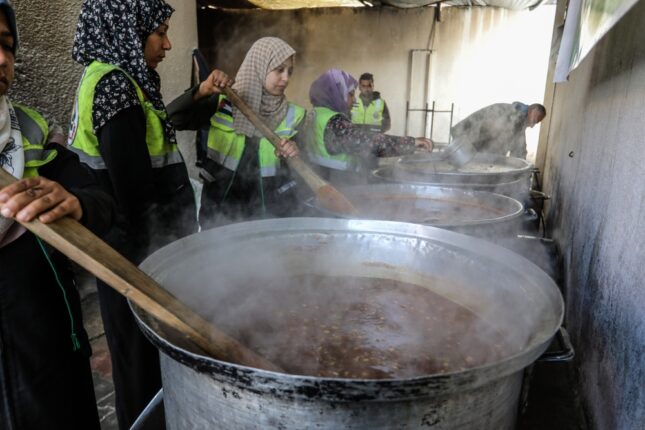
Planning for Women in a Postwar Gaza
›International organizations and media stories have showcased how civilian women and children have been the primary victims of the Israeli campaign to eliminate Hamas in Gaza in the last seven months. Yet, the focus has been on exactly that—women and children as victims of violence. Little thought has been given to what happens to Palestinian women and children in Gaza once the guns are silenced and it comes time not only to reckon with the unimaginable violence and hardship endured during the war but to rebuild their lives and communities.
-
An Essential Handbook for Reproductive Global Health
›Dot-Mom // Guest Contributor // April 24, 2024 // By Cecilia Van Hollen & Nayantara Sheoran AppletonAs the world becomes increasingly interconnected through travel, communication, and information, interdisciplinary approaches to address global and reproductive health issues are crucial. And as the politics of reproductive healthcare are shifting in uneven ways across the globe, the need for deep understanding of local contexts within a globalized world is ever more vital. Our recently published, co-edited Wiley Blackwell handbook, A Companion to the Anthropology of Reproductive Medicine and Technology provides a sweeping overview of studies of reproduction from an anthropologically informed lens with a commitment to interdisciplinary approaches at the intersection of medical anthropology, feminist Science and Technology Studies (STS), global and public health, and critical analyses of both gender and sexuality and of race and ethnicity.
-
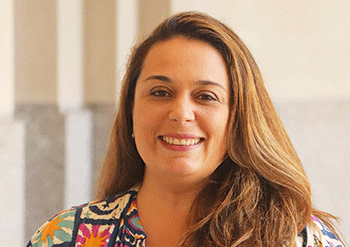
The Arc | Dr. Renata Giannini on Women Environmental Defenders in the Amazon and Climate Mitigation
›In today’s episode of The Arc, ECSP’s Angus Soderberg and Claire Doyle interview Wilson Center Fellow Dr. Renata Giannini about her work with women environmental defenders in the Amazon and their role at COP30 in Brazil. Select quotes from the interview are featured below. -
ECSP Weekly Watch: April 15 – 19
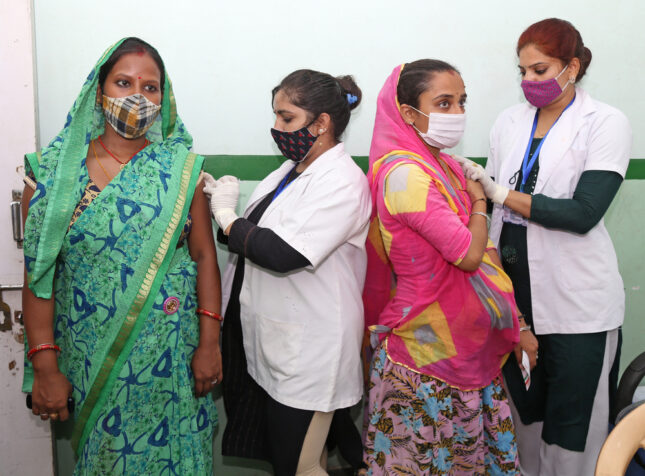
›UNFPA’s State of World Population 2024 Report Highlights SRHR Inequalities (UNFPA)
Over the last 30 years, the world has made immense progress in improving sexual and reproductive health and rights (SRHR) for women and girls around the world. Since 1994, when governments agreed that SRHR was a cornerstone of international development at the Cairo International Conference on Population, rates of unintended pregnancies have fallen 20%, 162 countries have adopted anti-domestic violence laws, and maternal deaths have decreased by 34%.
Showing posts from category gender.
 In today’s episode of The Arc, ECSP’s Angus Soderberg and Claire Doyle interview Wilson Center Fellow Dr. Renata Giannini about her work with women environmental defenders in the Amazon and their role at COP30 in Brazil. Select quotes from the interview are featured below.