-
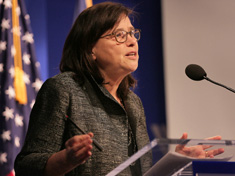
Minister Louise Mushikiwabo: “Rwanda Has Had to Make Extremely Difficult Choices”
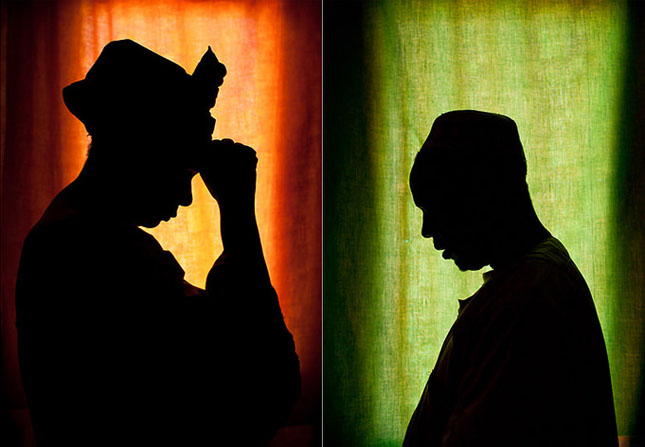
›Last month Rwanda Minister of Foreign Affairs and Cooperation Louise Mushikiwabo spoke at the Wilson Center on a wide-ranging set of issues, from the country’s development successes to the prominent role women have played in post-genocide society.
-
Free Lunch: The Development Argument for Taking Zika More Seriously
›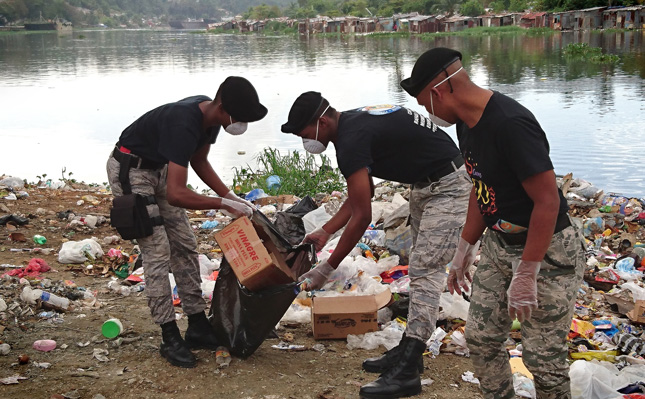
I recently returned to Washington, DC, after 10 days in India. New Delhi was warm, moist, crowded – and buzzing with mosquitoes. Fortunately, at least for now, their bites are little more than an itchy nuisance, which is just as well.
-
When Climate Change Exacerbates Conflict, Women Pay the Price, Says Mayesha Alam
› Climate change has the potential to exacerbate conflict and political instability, and women will pay a steeper price than their male counterparts when it does, says Mayesha Alam, associate director of the Georgetown Institute for Women, Peace, and Security, in this week’s podcast.
 -
Feeding the Future? A Closer Look at U.S. Agricultural Assistance in Tanzania
›May 11, 2016 // By Haodan "Heather" ChenBetween 2010 and 2015, Tanzania received more than $320 million in assistance via the U.S. government’s Feed the Future Initiative – the most of any country. But despite these commitments and an average of six to seven percent annual economic growth since 2000, Tanzania did not meet the first Millennium Development Goal: to reduce hunger and extreme poverty by half by the end of 2015.
-
After Mexico City and Before Copenhagen: Keeping Our Promise to Mothers and Newborns
›Last October, on the heels of the UN General Assembly agreeing to the Sustainable Development Goals, the global health community met in Mexico City to discuss strategy for achieving the “grand convergence”: finally bridging the gap between maternal and newborn health in rich and poor countries. [Video Below]
-
Mariam Claeson: Quality, Not Quantity of Care for Maternal and Child Health
›“It’s not about counting how many times a mother interacts with antenatal services or comes to the facility,” says Dr. Mariam Claeson, the director of maternal newborn and child health at the Bill and Melinda Gates Foundation, in this week’s podcast. “But it’s what happens in these encounters that matters.” -
How Zika Is Shaping the Sexual and Reproductive Health and Rights Agenda
›“The Zika outbreak is a result of something; it is the result of the lost attention to sexual and reproductive health issues as a human right and women as subjects of rights,” said Jaime Nadal Roig, the United Nations Population Fund representative to Brazil, at the Wilson Center on April 12. [Video Below]
-
Culture and Rights: The Struggle From Within to End Female Genital Cutting
›Ashraf and Shazia use the word “guilt” often.* Their voices tremble as they rewind to the day when they read an article in an Indian magazine, Manorama, that opened their eyes to the reality of khatna – the practice of female genital mutilation among their community. “We felt guilt – immense, powerful guilt – when we realized that this was not needed, that we didn’t need to put our elder daughter through this,” the parents say. “We had no idea this was just going on, prevalent, generation after generation.”
Showing posts from category gender.
 Climate change has the potential to exacerbate conflict and political instability, and women will pay a steeper price than their male counterparts when it does, says Mayesha Alam, associate director of the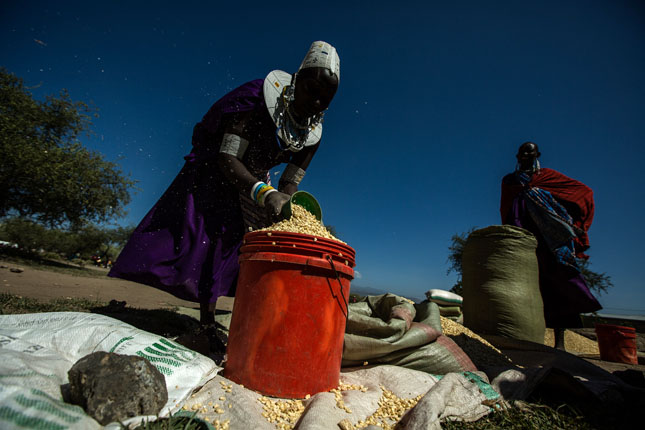
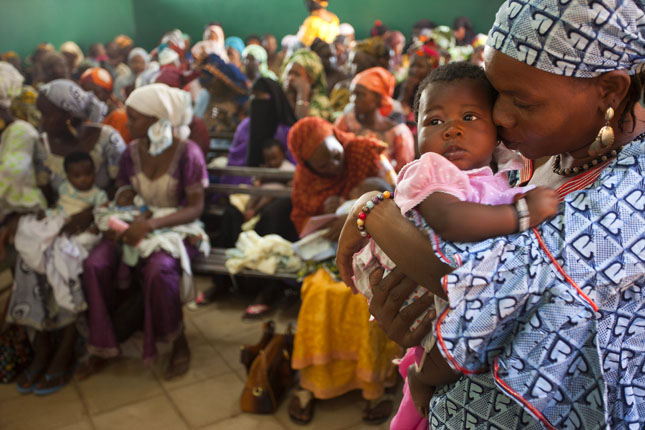
 “It’s not about counting how many times a mother interacts with antenatal services or comes to the facility,” says Dr. Mariam Claeson, the director of maternal newborn and child health at the Bill and Melinda Gates Foundation, in this week’s podcast. “But it’s what happens in these encounters that matters.”