-
Left Out and Behind: Fully Incorporating Gender Into the Climate Discourse
›August 22, 2016 // By Cara ThuringerMore often than not in the discourse around gender and climate change, the word “gender” is used primarily to refer to women. There is no disputing that women are acutely vulnerable to the effects of climate change in ways that are different than men and sometimes hidden. However, this interchangeable use of words neglects other dimensions of gender, sexual orientation, and sexual identity. As a result, we are missing important ways gender impacts people’s experiences with climate change.
-
After Women Deliver, What’s Next for Women and Girls?
›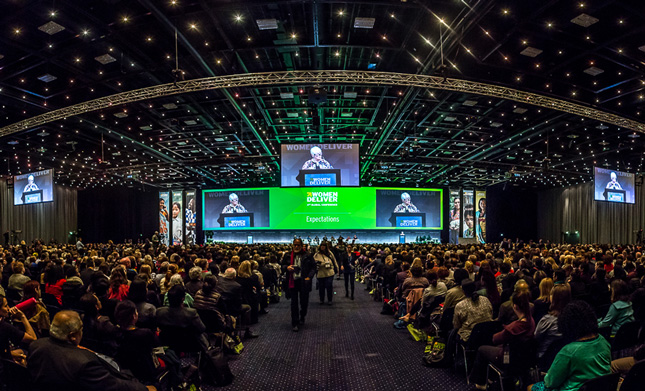
The once-every-three-years Women Deliver conference has become a major coalescing force for various global health and development efforts aimed at women and girls. “We operate at a global level, influencing the agenda” by focusing on the “four Cs”: convening, communicating, capacity-building, and catalyzing, said Susan Papp, director of policy and advocacy for Women Deliver. [Video Below]
-
When It Comes to Water Scarcity, Population Growth Tops Climate Change
›
One of the findings of the Worldwatch Institute’s Family Planning and Environmental Sustainability Assessment (FPESA) suggests it’s not accurate to claim that climate change is at the root of growing water scarcity around the world. Based on the best recent scientific evidence we could find, another major global trend – the ongoing growth of human population – has a greater impact on water availability than climate change does.
-
At the Eye of the Storm: Women and Climate Change
›Struggling to save their failing crops. Walking farther afield to fetch clean water. Protecting their families from devastating storms and violent conflicts. “Women are usually the support systems for our family…we are the last to leave in the event of a catastrophe, which is why women and families are disproportionately hurt by climate catastrophes,” said Wilson Center President, Director, and CEO Jane Harman on June 23 during a conference on women and climate change. [Video Below]
-
Family Planning and Environmental Sustainability: Assessing the Evidence
›“There are truly global-scale environmental challenges, and they need to be dealt with by thinking of solutions at the same scale,” said Thomas Lovejoy, a senior fellow at the United Nations Foundation, at the Wilson Center on June 29. The interaction between human population and environmental degradation is one of these challenges. [Video Below]
-
Maternal and Fetal Health Implications of Zika in the United States
›Maternal and fetal health is at the forefront of concerns about the spread of Zika. The fetal brain defects known to be linked to the virus are devastating – and may only be the tip of the iceberg in terms of the virus’s impact, according to a panel of high level U.S. government officials speaking at the Wilson Center on May 24.
-
Christian Holmes, Global Waters
USAID Effort Joins Women’s Groups to Improve Sanitation in Vizag, India
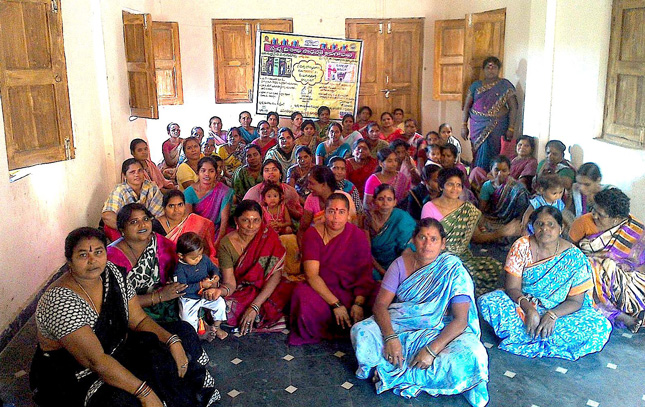
›July 14, 2016 // By Wilson Center StaffAt USAID we recognize the threat poor sanitation combined with rapid urbanization presents to human health, dignity, and prosperity. This is why we have made urban sanitation a global priority for the Agency. During a recent visit to India, I was able to see some of the work being done to bring sanitation services to urban areas, and had the good fortune to meet some inspiring women who are advancing these efforts in their communities.
-
Human Rights and the Environment: How Do We Do Better?
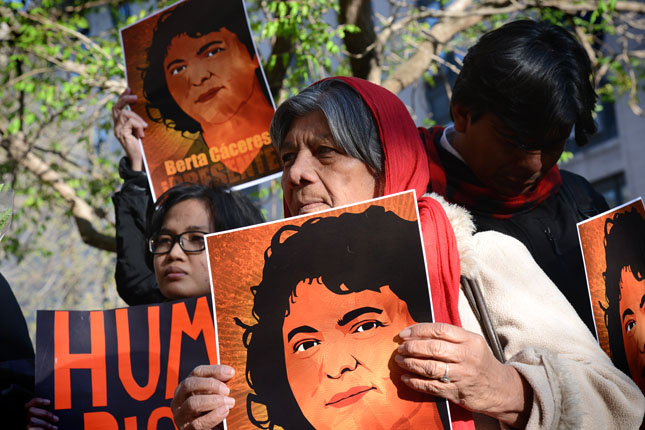
›2015 was a deadly year for environmental activism. According to Global Witness, 185 activists were killed, a 60 percent increase from 2014. Of the victims, 40 percent were indigenous people, like Berta Cáceres, who spoke at the Wilson Center last year and was shot and killed in her home in Honduras this March. [Video Below]
Showing posts from category gender.