-
Exposure to Air Pollutants and Heat Made Worse by Climate Change Impact Black Mothers the Most
›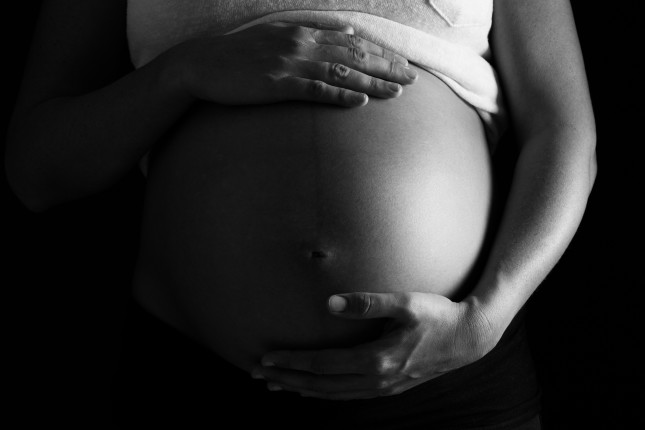
Environmental exposures exacerbated by climate change are contributing to adverse pregnancy outcomes across the United States, with a disproportionate impact on Black women. A new study published in JAMA Network Open draws concrete connections between exposure to air pollution, ozone, and high temperatures during pregnancy and the likelihood of adverse pregnancy outcomes—premature birth, low birth weight, and stillbirth.
-
COVID-19 Could Have Devastating Effects on Adolescents’ Sexual and Reproductive Health and Rights
›
In just a single year, a 10 percent decrease in sexual and reproductive health services in low- and middle-income countries could lead to another 49 million women with unmet need for contraception, according to Guttmacher Institute estimates from April 2020. Other possible effects include another 15 million unintended pregnancies, another 28,000 maternal deaths and 168,000 newborn deaths due to untreated complications, and another 3 million unsafe abortions and 1,000 maternal deaths due to unsafe abortions. The implications are staggering in terms of unmet needs, unintended pregnancies, unsafe abortions, and maternal and newborn deaths in 132 countries that are home to more than 1.6 billion women of reproductive age (15–49 years).
-
Reports Highlight the Need for Further Consideration of Gender, Climate, and Security Linkages
›In a recent Stockholm International Peace Research Institute (SIPRI) paper, Elizabeth Seymour Smith, a Research Assistant with SIPRI’s Climate Change and Risk Programme, explores the intersection of climate change, gender, and security in Women, Peace and Security (WPS) national action plans (NAPs) of 80 countries. Using qualitative content analysis, the article finds that states frame and respond to climate change and gender-based security in differing ways. -
Non-Communicable Diseases and COVID-19: A Conversation With Dr. Belén Garijo and Dr. Felicia Knaul
›“NCDs have raised the risk of and the severity of the COVID-19 infection,” says Dr. Belén Garijo, Executive Board Member and CEO of Healthcare at Merck KGaA Darmstadt, Germany, in this week’s Friday Podcast. Women living with NCDs like cardiovascular disease, hypertension, cancer, mental health disorders, multiple sclerosis, and diabetes, have an increased risk of severe complications and death from COVID-19. “When you take a look at the mortality rate for one million inhabitants, you see a lot of diversity, and what has been consistent amongst all the countries is the association between severity of the infection and underlying diseases,” says Garijo. -
The Unseen Side of Pregnancy: Non-Communicable Diseases and Maternal Health (New Report)
›Around the world, approximately 18 million women of reproductive age die each year because of non-communicable diseases (NCDs), and two in every three deaths among women are due to an NCD. In fact, NCDs have been the leading cause of death among women globally for at least the past 30 years. And yet, women’s specific needs are often excluded from conversations about NCDs. They are underrepresented in clinical research and the effect of NCDs on women in particular is rarely considered. NCD-related symptoms during pregnancy are commonly misinterpreted or dismissed by clinicians.
-
Highlights from COVID-19: Magnifying the World’s Inequities
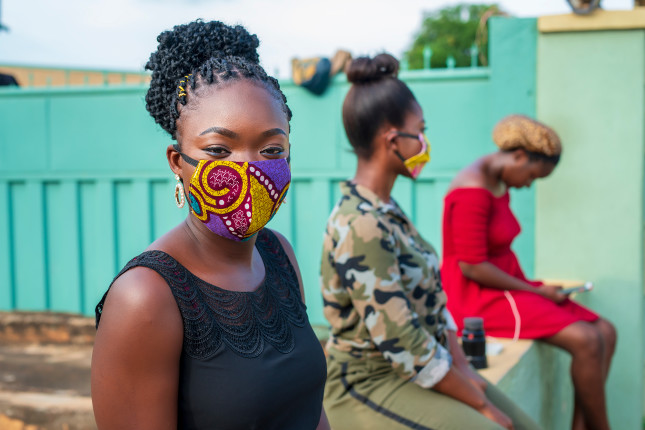
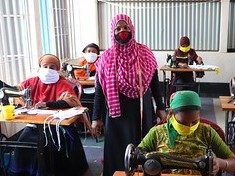
›COVID-19 has wreaked havoc the world over, and recent data shows that the hardest hit will be the world’s women and girls and populations impacted by racism and discrimination. This week’s Friday Podcast highlights remarks from a recent Wilson Center event sponsored by EMD Serono, the biopharmaceutical business of Merck KGaA, Darmstadt, Germany in the United States and Canada, on the impact of COVID-19 on race and gender inequities. -
Pandemic of Violence: Protecting Women during COVID-19
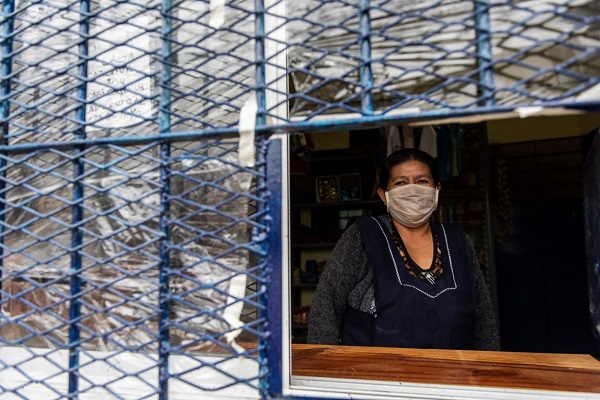
›Covid-19 // Dot-Mom // From the Wilson Center // May 27, 2020 // By Anya Prusa, Beatriz García Nice & Olivia SoledadCOVID-19 is having a profound impact on Latin American women. Gender-based violence increased drastically after governments imposed lockdowns, leaving policymakers and law enforcement scrambling to prevent attacks. Latin America was already one of the most dangerous regions for women, with the highest rate of sexual violence and some of the highest femicide numbers in the world. The Economic Commission for Latin America and the Caribbean registered 3,529 femicides in 2018, or one woman killed every two hours due to her gender. For many women living through the coronavirus pandemic in Latin America, the greater health risk might be staying home.
-
Highlights from the First-Ever State of the World’s Nursing Report
›The year 2020 has been designated as the Year of the Nurse and the Midwife by the World Health Organization. In April 2020, the World Health Organization (WHO), International Council of Nurses, and Nursing Now, published the first-ever State of the World’s Nursing Report. This week’s Friday Podcast highlights remarks from a recent Wilson Center event on the report’s findings and recommendations, gender implications in the health workforce, and the role of nurses during the COVID-19 pandemic.
Showing posts from category gender.
 In a
In a  “NCDs have raised the risk of and the severity of the COVID-19 infection,” says Dr. Belén Garijo, Executive Board Member and CEO of Healthcare at Merck KGaA Darmstadt, Germany, in this week’s Friday Podcast. Women living with NCDs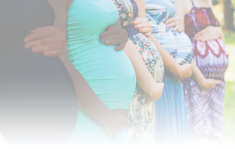
 COVID-19 has wreaked havoc the world over, and recent data shows that the hardest hit will be the world’s women and girls and populations impacted by racism and discrimination. This week’s Friday Podcast highlights remarks from a recent Wilson Center