-
Getting Back on Track with Global Poverty Reduction
›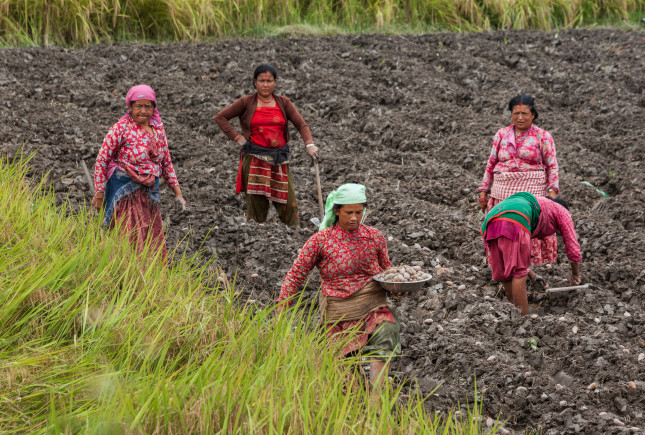
No country has escaped the setbacks caused by COVID-19, but impacts on low-income countries are proving far worse. The World Bank estimates the pandemic and the actions necessary to contain it will drive 150 million people globally into extreme poverty. Post-pandemic, there will likely be long-term effects. Even with this grim reality, there is hope. Governments and international development organizations have accumulated a wealth of knowledge about what works to reduce poverty and increase economic activity. As the Biden administration and other actors work to build a post-pandemic environment, key lessons can be drawn from this knowledge to inform recovery efforts.
-
Empowered Aid: New Toolkit Helps Detect and Prevent Sexual Exploitation and Abuse in Humanitarian Assistance
›
Seventy-three percent of women and girls receiving aid at one food program in Uganda reported being afraid during at least one point in the distribution process, said Hope Harriet, Empowered Aid Research Manager. Harriet spoke at the launch event for Empowered Aid’s Toolkit for Planning and Monitoring Safer Aid Distributions. Empowered Aid is a participatory action research project focused on addressing sexual exploitation and abuse (SEA) in humanitarian settings and aid distribution. The project is led by the Global Women’s Institute (GWI) in partnership with CARE, the Union of Relief and Development Associations, the International Rescue Committee, and World Vision.
-
Engaging Marginalized Groups is Essential to Achieving Universal Health Coverage
›Too often, many in my community are excluded from sexual and reproductive health services, said Ruth Morgan Thomas, co-founder and Global Coordinator of the Global Network of Sex Work Projects, in today’s episode of Friday Podcasts. This episode features highlights from a recent Wilson Center and UNFPA event where Thomas and Zandile Simelane, an HIV Youth Advocate from Eswatini, address the barriers that their respective communities—sex workers and HIV positive youth—face in accessing sexual and reproductive health (SRH) services and universal health coverage (UHC). -
A New Generation of Family Caregivers Emerges During the Pandemic
›The population of unpaid family caregivers is shifting, and the pandemic has accelerated that change. One in five carers became caregivers for the first time during the pandemic, according to the Embracing Carers Global Carer Well Being Index®. A disproportionate share of these new carers were Gen Z or millennial (less than 38 years old). And 25 percent were caring for children and a sick/aging parent or grandparent.
-
The Top 5 Posts of June 2021
›In our top post for June, Steve Gale shares 5 consequences out of the National Intelligence Council’s recently released Global Trends report that development actors should be particularly attuned to. In addition to the “long tail” of the COVID-19 pandemic, the report recognizes the environmental consequences of climate change, including unprecedented numbers of wildfires, increased intensity of tropical storms, and sea-level rise. As a result, migration will be more pronounced and require more targeted aid approaches as demographics shift.
-
We Have to Put the Last Mile First: Ensuring Sexual and Reproductive Health for All
›Whether marginalized populations, such as adolescents, LGBTQ+ people, migrant workers, and sex workers are included in health services can be a “litmus test” of our progress towards universal health coverage (UHC), said Sivananthi Thanenthiran, Executive Director of Asian-Pacific Resource and Research Centre for Women (ARROW). Thanenthiran spoke at a recent Wilson Center event with the United Nations Population Fund (UNFPA) and the World Health Organization (WHO) Department of Sexual and Reproductive Health and Research about the importance of engaging stakeholders in sexual and reproductive health (SRH) to achieve UHC for all. In SRH services, the most marginalized and most vulnerable populations are often left out, she said. When engaging stakeholders, representatives from these groups must be included to ensure equity in healthcare services.
-
The Cost of Care: How the COVID-19 Pandemic Has Exacerbated the Baby Bust
›The decision to have a child usually requires a feeling of stability and confidence in the future, says Natascha Braumann, Director of Global Government and Public Affairs for Fertility at EMD Serono, on this week’s episode of Friday Podcasts. But with COVID-19, especially in the first months of the pandemic, there was no feeling of stability. “No one knew what was going to happen.” -
COVID-19 Accelerates Existing Decline in Fertility Rates
›“Spoiler alert: COVID made it even worse,” said Natascha Braumann, Director of Global Government and Public Affairs for Fertility at EMD Serono, of declining fertility trends across the globe. Braumann spoke at a recent Wilson Center event highlighting pre-pandemic fertility, demographic trends, and the impact of COVID-19. The panel was co-sponsored by EMD Serono, the healthcare business of Merck KGaA, Darmstadt, Germany.
Showing posts from category gender.
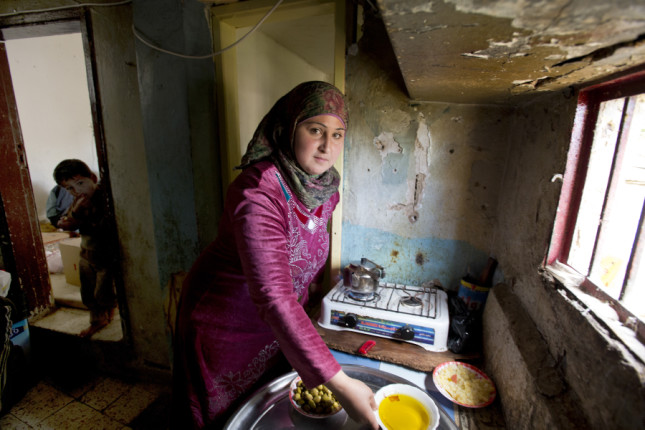
 Too often, many in my community are excluded from sexual and reproductive health services, said Ruth Morgan Thomas, co-founder and Global Coordinator of the
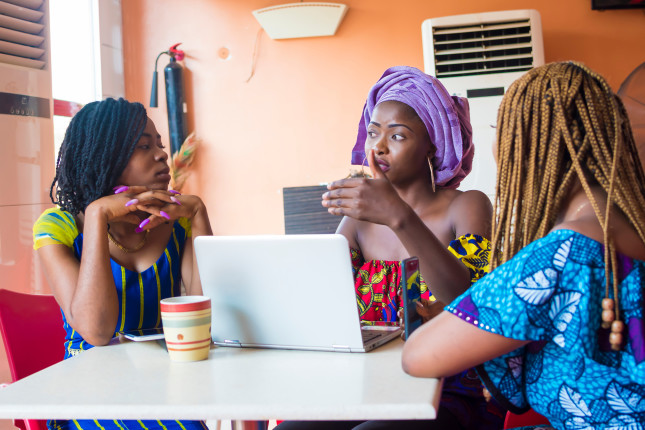
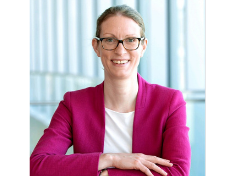 The decision to have a child usually requires a feeling of stability and confidence in the future, says Natascha Braumann, Director of Global Government and Public Affairs for Fertility at EMD Serono, on this week’s episode of Friday Podcasts. But with COVID-19, especially in the first months of the pandemic, there was no feeling of stability. “No one knew what was going to happen.”