-
16DaysCampaign Calls to End Femicide: Research Shows Women in Perinatal Period at Risk
›
“Femicide is an important, but often unreported, cause of maternal mortality. This research documents the immediate need for universal abuse assessment of all pregnant women,” write the authors of the self-declared first study to report a definite link between abuse during pregnancy and attempted/completed femicide—the gender related killing of women. This study was published in 2002.
-
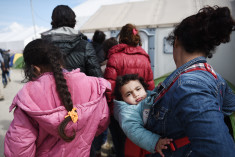
COVID-19 Pandemic Exacerbates Violence Against Refugee Women and Girls
›Currently, refugee women and girls are facing three concurrent crises: their ongoing humanitarian crisis, the health crisis of the COVID-19 pandemic, and the invisible crisis of gender-based violence (GBV). COVID-19 has severely worsened various dimensions of inequality for refugee women and girls. A 2020 report found that 73 percent of forcibly displaced women interviewed across 15 African countries reported elevated cases of domestic or intimate partner violence due to the pandemic. In addition, 51 percent reported sexual violence and 32 percent observed a rise in early and forced marriages.
-
The Care Economy is the Backbone of the Economy
›
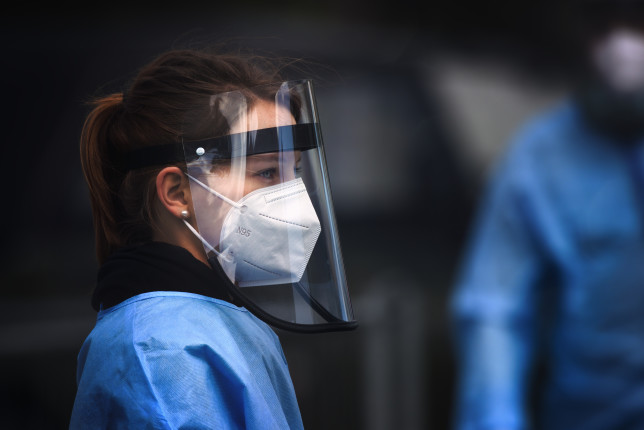
“Pandemic recovery plans cannot simply work to bring economies back to their pre-COVID status,” said Katrina Fotovat, Senior Official in the Office of Global Women’s Issues at the U.S. Department of State. She spoke at a recent event hosted by the Wilson Center’s Maternal Health Initiative and Middle East Project in collaboration with EMD Serono, the healthcare business of Merck KGaA, Darmstadt, Germany, on recognizing women’s paid and unpaid work during COVID-19 recovery. Economic recovery plans must include the most undervalued industries and marginalized workers, especially women, she said.
-
Women’s Work is Essential and Undervalued During the COVID-19 Pandemic
›“Nearly 70 percent of the lowest wage workers in the United States are women,” said Nicole Berner, General Counsel to the Service Employees International Union (SEIU) at a recent event on the COVID-19 pandemic’s impact on women and essential workers, hosted by the Global Institute for Women’s Leadership.
-
New Wilson Quarterly Features Expert Insights on Climate Migration
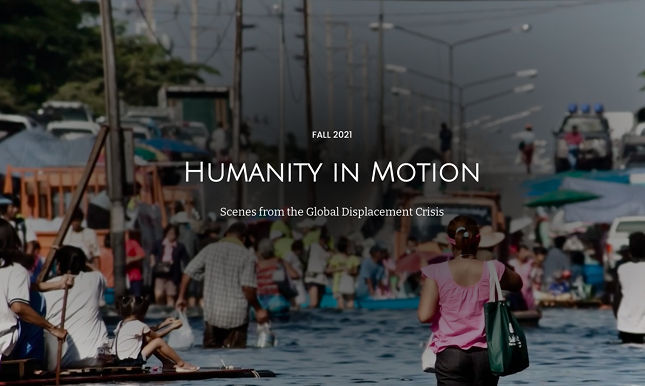
›“Supporting the talents and potential of the refugees of today could lead to empowering the scientists, leaders, and innovators of the future. Instead of a lost generation, we have the opportunity to build a thriving generation full of promise,” says Abdullah II Ibn Al Hussein, King of the Hashemite Kingdom of Jordan, in the forward of the Fall Wilson Quarterly (WQ), “Humanity in Motion: Scenes from the Global Displacement Crisis.”
-
Suicide and Overdose: The Leading Causes of Death for New Mothers
›A new movie — A Mouthful of Air – was released in 800 theaters around the country on Friday, October 29. SPOILER ALERT: The storyline is about maternal depression and suicide.
This is an excellent example of art meeting life.
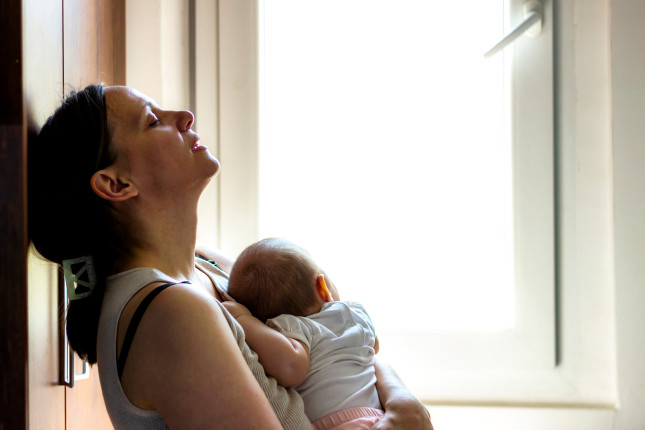
Mental health conditions – primarily anxiety and depression – are the most common complications of pregnancy and childbirth, affecting 1 in 5 pregnant or postpartum parents. Tragically, suicide and overdose are the leading causes of death for women in the first year following pregnancy.
-
Seeing and Hearing Mothers: Uncovering Poor Perinatal Mental Health
›Globally, 15 to 20 percent of women experience a perinatal mental health condition, said Sarah Barnes, Project Director of the Maternal Health Initiative at a recent event, held in partnership with the United Nations Population Fund (UNFPA), on mental health support for mothers in the perinatal period. Women are more likely to develop anxiety or depression in the year after giving birth than in any other time in their lives, with suicide and overdose the leading causes of death in the first year postpartum. “And yet, the prevention, early recognition, and treatment of perinatal mental health conditions is a challenge for many, if not most, healthcare systems across the world,” said Barnes.
-
Mental Health Conditions: U.S. Policies and Practice to Address the Most Common Complication of Pregnancy and Childbirth
›Maternal mental health (MMH) conditions are the most common complication of pregnancy and childbirth, affecting 1 in 5 women or childbearing individuals (800,000 U.S. families each year). Recent studies show that suicide and overdose combined are the leading cause of death for mothers in the first year postpartum, contributing to the distressingly high maternal mortality rate in the United States. Sadly, 75 percent of those experiencing MMH conditions go untreated, increasing the risk of multigenerational, long-term negative impacts on the physical, emotional, and developmental health of both the mother and child. The COVID-19 pandemic has fueled a three-fold increase in the number of pregnant women and new mothers experiencing MMH conditions. Women of color are disproportionately impacted by both the pandemic and MMH conditions, experiencing both at rates 2-3 times higher than white women.
Showing posts from category gender.