-
New Global Health & Gender Policy Brief: The Global Care Economy
›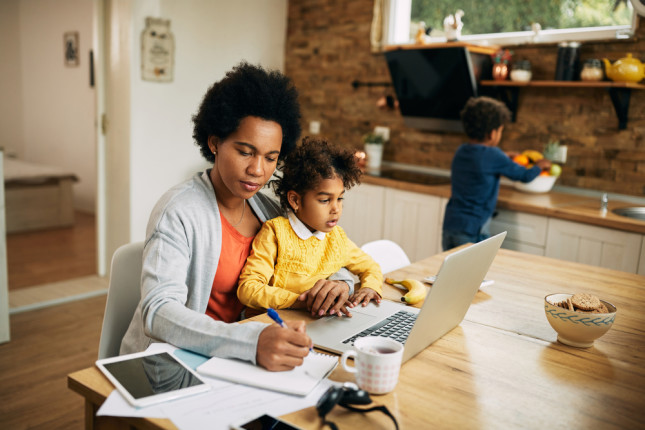
Care work makes all other work possible. It is also the fastest-growing sector of work in the world—projected to add 150 million jobs by 2030. The COVID-19 pandemic has amplified the importance of care work. It has also exposed how women perform most caregiving work, which is unpaid, underpaid, and/or undervalued. Globally, women and girls contribute more than 70 percent of total global caregiving hours (paid and unpaid) and perform more than 75 percent of unpaid care work. The inordinate amount of unpaid care work women and girls perform prevents them from earning a paid income, which contributes to greater gender inequities worldwide.
-
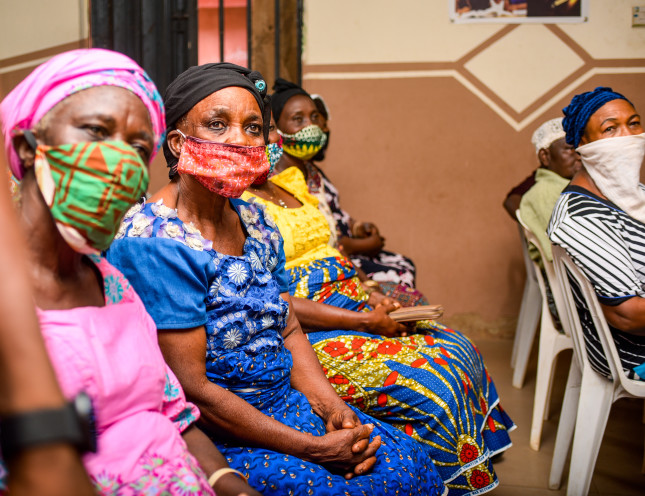
Gender Inequality in Mexico’s Fractured Public Health System
›Dot-Mom // From the Wilson Center // Guest Contributor // April 20, 2022 // By Samantha Kane Jiménez
In recent years, Mexican women have experienced a significant downgrade in the quality and accessibility of public healthcare – and not due to the COVID-19 pandemic – said Irene Tello, Executive Director of Mexican impunity watchdog Impunidad Cero, at a recent event hosted by the Wilson Center’s Mexico Institute. The expert panel agreed that the greatest barriers for Mexican women seeking medical attention lie in the current government’s nearsighted health policies and mismanagement of the public health sector.
-
Top 5 Posts for March 2022
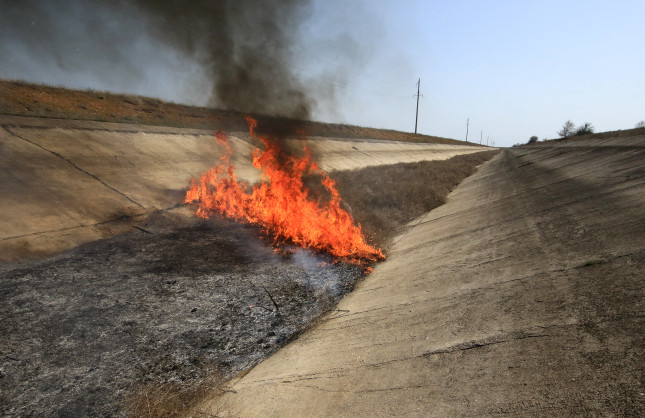
›The devastation wrought by Russia’s invasion of Ukraine has shocked the world. But underneath the searing photographs and headlines, the war also highlights how access to natural resources shapes conflict—and how addressing regional resource needs is central to effective peacebuilding. For instance, the contentious North Crimean Canal cut off most of the water in occupied Crimea in 2014, leading to water insecurity and a loss of arable land. In our top post for March, Mehmet Altingoz and Saleem Ali discuss the role of water infrastructure in the years-long conflict between Russia and Ukraine and explain how water-sharing agreements could make critical contributions to peace.
-
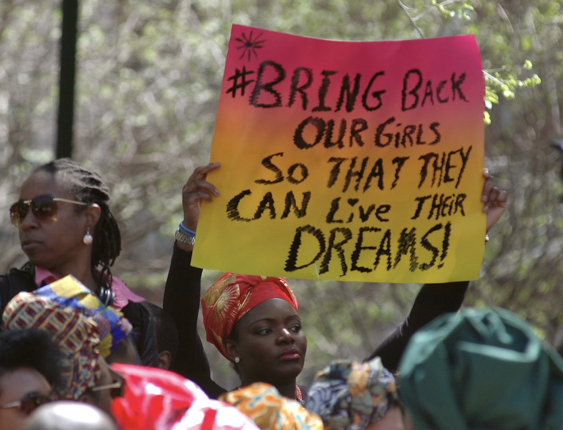
#BringBackOurGirls: Ecofeminism, Climate, and Conflict
›On the night of April 14, 2014, a group of militants attacked the Government Girls Secondary School in Chibok, Nigeria. They kidnapped 276 female students, ranging from ages 15 to 19 years. An armed group called Boko Haram claimed responsibility for the kidnapping.
-
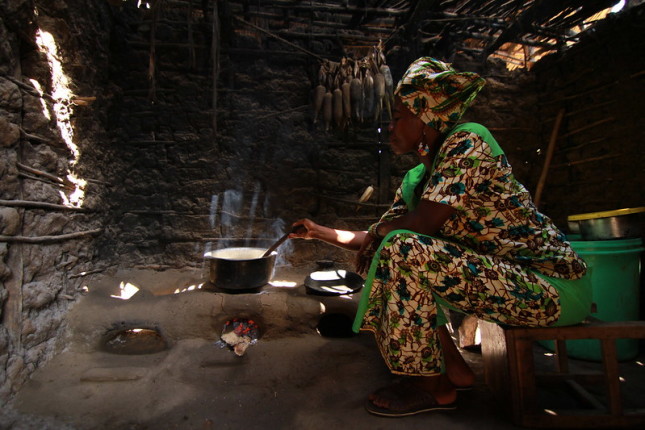
The Climate Solutions That Play Double-Duty
›Finance for climate action is growing—however, much of this money is being invested in wealthier nations, while the regions where funds are needed most are often overlooked and underfunded by both public and private institutions. The good news for funders is that there are climate solutions that not only significantly reduce greenhouse gas emissions, but also create cascading social and public health benefits for communities on the frontlines of the climate crisis. For those looking to get the biggest return on their investment—for both people and planet—we offer two particularly promising solutions: ramp up funding for clean cooking and electricity where they matter most.
-
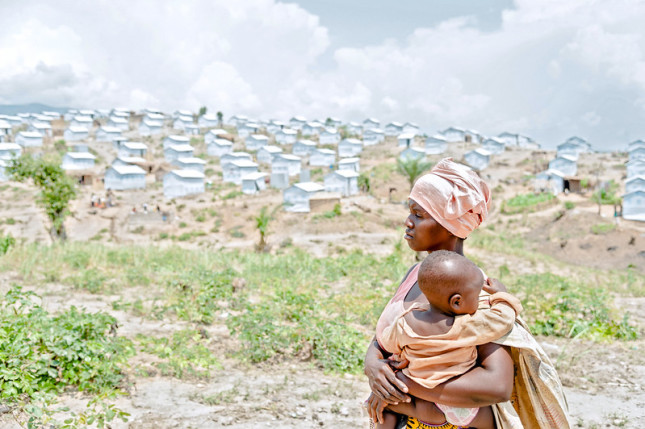
New Security Brief | Converging Risks: Demographic Trends, Gender Inequity, and Security Challenges in the Sahel
›Security conditions in the Sahel are rapidly deteriorating. Since 2016, the region has witnessed a 16-fold increase in terrorist attacks. In Burkina Faso, Chad, Mali, Mauritania, and Niger, 10.5 million people are facing starvation, and with climate-related disasters increasing and intensifying in the region, food insecurity is projected to rise. Against this backdrop, rapid population growth is outpacing governments’ ability to provide access to basic services. These pressures have transformed the central Sahel into the epicenter of a forced displacement crisis, with dire long-term and global humanitarian consequences that reverberate well beyond the region’s borders.
-
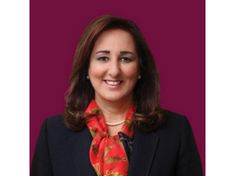
Making Room at the Table for Businesswomen in Jordan: A Conversation with Reem Badran
› “People told me it was only for men,” says Reem Badran, Founder & CEO of Al Hurra for Management and Business Development and former member of the Jordanian House of Representatives, when speaking about her decision to run for the Amman Chamber of Commerce in the latest episode of the Riyada podcast from the Wilson Center’s Middle East Program. Badran is a Jordanian trailblazer and was recently named One of the World’s Most Successful Women in Business by the International Women’s Entrepreneurial Challenge Foundation in New York. In 2009, she became the first woman elected to the board of Amman’s Chamber of Commerce since its establishment in 1923. To this day, she remains the only woman to be elected to this post. “In our community [and] region, it is not easy for women to be able to penetrate the business community. It takes a while for people to believe in a woman and that she can have a successful business.” -
It’s Not Ok: How Data from Nigeria Reveals the Role of Addressing Community Attitudes to End Violence Against Women
›Globally, one third of women (736 million) have experienced physical and/or sexual violence, oftentimes when they were still children. Domestic violence and violence against women (VAW) have increased during the COVID-19 pandemic.
Showing posts from category gender.
 “People told me it was only for men,” says Reem Badran, Founder & CEO of Al Hurra for Management and Business Development and former member of the Jordanian House of Representatives, when speaking about her decision to run for the Amman Chamber of Commerce in the