-
Refugees and COVID-19: A Closer Look at the Syrian and Rohingya Crises
›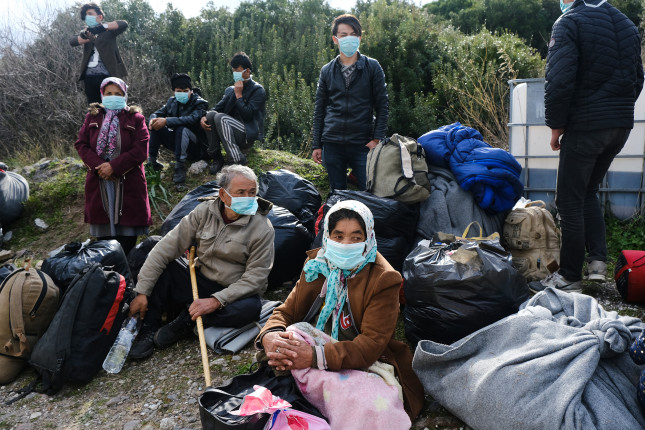
“We all know that while no one is immune from the Covid-19 virus—and people of all types have caught the virus and died from it—it is the world’s most vulnerable communities that have suffered disproportionately from the pandemic,” said Michael Kugelman, Deputy Director and Senior Associate for the Wilson Center’s Asia Program. He spoke at a recent Wilson Center event on the impact of the COVID-19 pandemic on refugee communities. As of 2019, 1 percent of humanity was displaced. That’s more than 79.5 million people. The COVID-19 pandemic has exacerbated the vulnerabilities of these people. “The health pandemic is fostering a new pandemic of poverty,” said Matthew Reynolds, Regional Representative for the U.S. and the Caribbean at the United Nations High Commissioner for Refugees (UNHCR).
-
COVID-19 Reignites Interest in Scenario Planning for Development … But Will It Last?
›
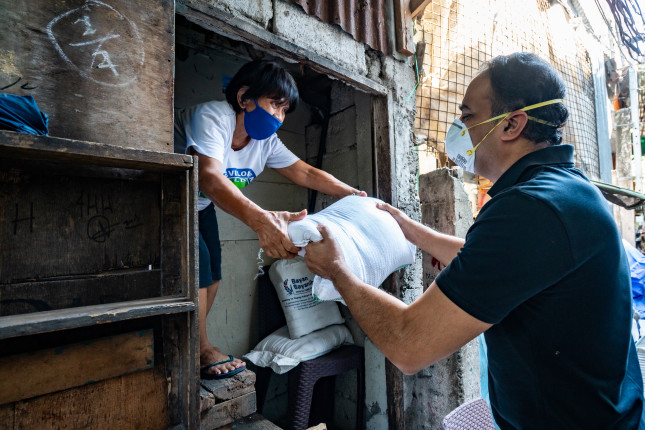
Not since COVID-19 burst onto the scene a few months ago have so many individuals and institutions, outside the business, military, and intelligence communities, woken up to the need for a smart way to characterize and communicate uncertainty. The overwhelming choice for many is scenario planning. Today, scenario planning applies to a wide spectrum of issues, not just international development. It has been used to anticipate changes in higher education, rethink workforce composition, and explore options for individual financial planning.
-
Paying for the Spout: Innovative Financing Could Expand Access to Water
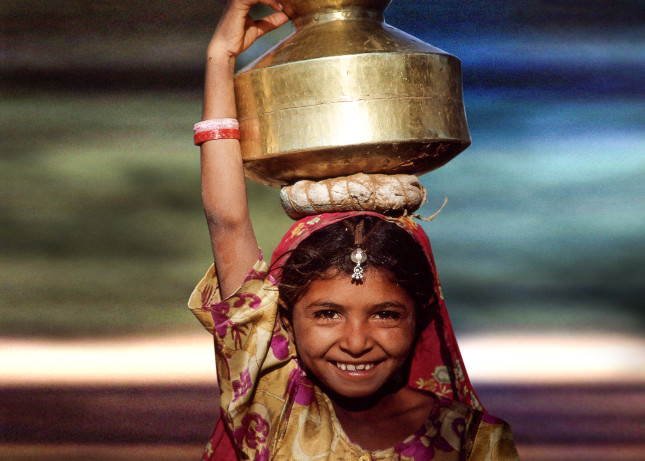
›Water Security for a Resilient World // March 2, 2020 // By Wania Yad, Amanda King, Kelly Bridges & Thomas BoyntonSafe water, sanitation, and hygiene (WASH) are vital for human well-being. However, 1 in 3 people (approximately 2.2 billion) still lack safe drinking water, 4.2 billion do not have access to safely managed sanitation services, and 829,000 people die annually from unsafe water and related sanitation and hygiene around the world.
-
Partnerships, Politics, & Plastic Pollution: A Conversation with Rob Kaplan on Reducing Ocean Plastics
›“I’ve never seen this kind of political and public sector engagement in an environmental topic happen so fast,” said Rob Kaplan, the Founder and CEO of Circulate Capital in an interview with Ambassador David Balton following a recent Wilson Center event on reducing marine plastic pollution. Interest in reducing ocean plastics has gone from a blip on the radar at ocean conferences to “now becoming a top priority,” said Kaplan. -
How Much Does It Cost to Save a Mother’s Life?
›Calls to action, strategy development, and multiple initiatives over the last decade have made clear how important it is to end preventable maternal and perinatal deaths. But we still don’t have a comprehensive understanding of how much saving these mothers and newborns, and preventing stillbirths will cost.
-
More than Just a BRI Greenwash: Green Bonds Pushing Climate-Friendly Investment
›From the cultural hub of Lahore down to the bustling ports of Karachi, smog is king in Pakistan, with citizens enduring unhealthy air quality for much of the year. The smog, generated mostly by crop and garbage burning and diesel emissions from furnaces and cars, could get worse by the end of this year when Pakistan opens five new Chinese-built coal power plants, funded by a $6.8 billion venture under the China-Pakistan Economic Corridor (CPEC) initiative. These five plants are just the beginning of the Pakistan government’s planned 7,560 MW expansion in coal power, which are CPEC-energy priority projects. “It’s a perfect storm for a pollution crisis,” said Michael Kugelman of the Wilson Center’s Asia Program. “The poor will continue to burn a variety of polluting materials to produce fuel, and now you’re also going to be introducing dirty coal into the mix. Combine that with crop burning in the countrywide and car exhaust fumes in rapidly growing cities, and you’ve got a really smoggy mess on your hands—and in your lungs.”
-
Fragile Families: Scaling Up Healthcare in Conflict Settings
›“How do our interventions provide an opportunity to really work at some of the core drivers of instability or lack of resilience?” said Larry Cooley from Management Systems International at a recent Wilson Center event on scaling up reproductive, maternal, newborn, child, and adolescent health interventions. -
Panacea for the Pacific? Evaluating Community-Based Climate Change Adaptation
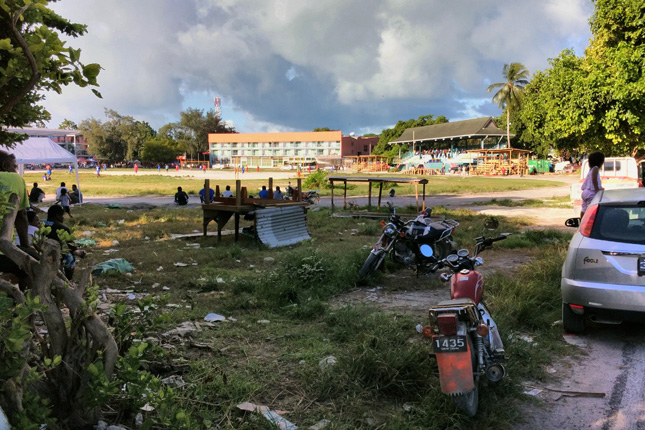
›Guest Contributor // February 22, 2018 // By Rachel Clissold, Tahlia Clark, Benjamin Priebbenow & Karen McNamaraThe Australian government’s recent Foreign Policy White Paper has been criticized for its underwhelming climate change section. Penny Wong, the current opposition leader in the Australian Senate, said that its acknowledgement of the need to support a more resilient Pacific region “rings hollow in light of the Abbott/Turnbull Government’s massive aid cuts.” But despite these criticisms, the Australian government continues to support a range of climate change initiatives in the Pacific. Increasingly, Australian Aid and its fellow donors, including USAID, JICA and GIZ, take a community-based approach to climate adaptation. Germany’s GIZ, for example, carries out community-level adaptation activities for all beneficiaries in the Pacific; and USAID has highlighted its community-level projects as important models. Our recent evaluation of some of these community-level adaptation programs in Vanuatu and Kiribati found that they provide some development benefits, including increased awareness, empowerment, cooperation, and self-esteem, but that it is too soon to tell whether this approach can reduce long-term vulnerability to climate change.
Showing posts from category funding.
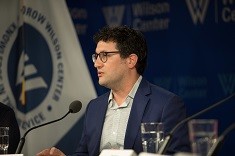 “I’ve never seen this kind of political and public sector engagement in an environmental topic happen so fast,” said Rob Kaplan, the Founder and CEO of Circulate Capital in an interview with Ambassador David Balton following a recent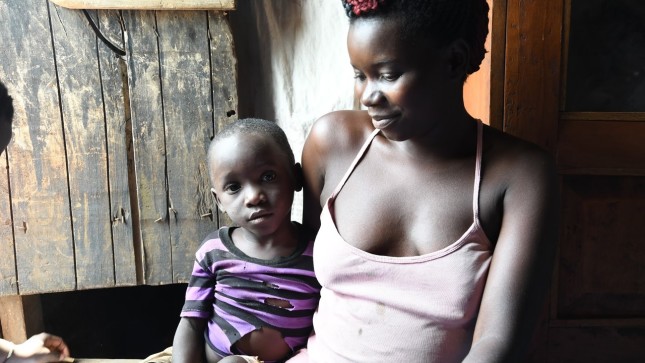

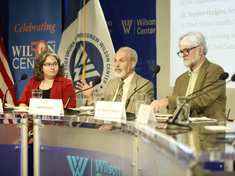 “How do our interventions provide an opportunity to really work at some of the core drivers of instability or lack of resilience?” said Larry Cooley from Management Systems International at a