-
Making Nunavut a Full Partner in Canadian Confederation
›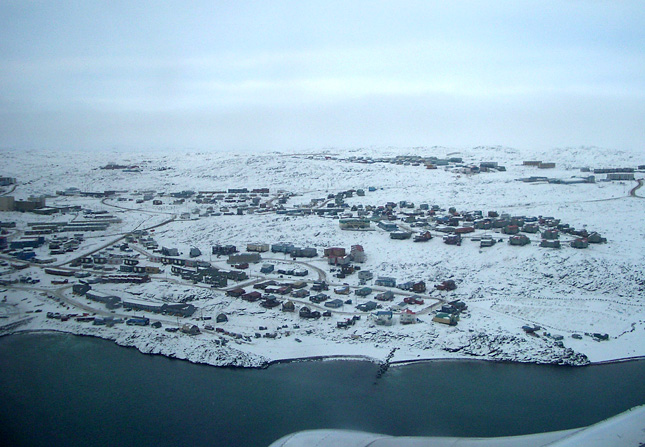
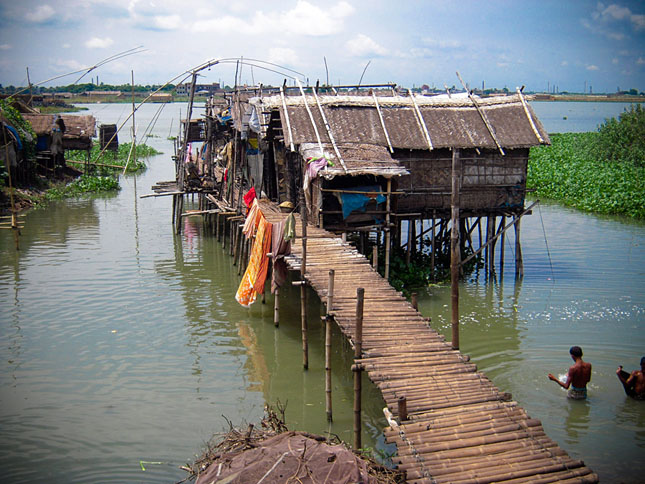
Canada is well known as a world leader in measures of human wellbeing. Since the launch of the UN Human Development Index in 1990, Canada has ranked among the top 10 countries every single year except one. But though Canadians can take a just pride in their country’s achievement on the global stage, it nevertheless masks grave concerns at home.
-
Adapting to Climate Change in Cities May Require a Major Rethink
›
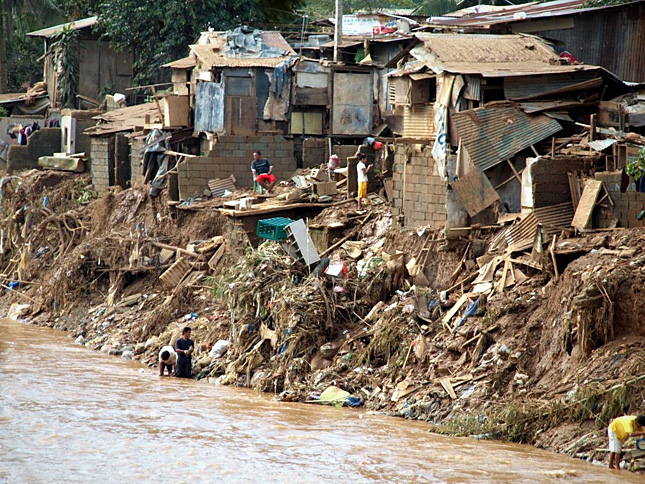
Around the world, urbanization and climate change are transforming societies and environments, and the stakes could not be higher for the poor and marginalized. The 2015 UN climate conference in Paris (COP-21) highlighted the need for coordinated action to address the profound injustice of the world’s most disadvantaged people bearing the greatest costs of climate impacts. Among those at the COP were mayors from around the world advocating for the important role of cities in these efforts.
-
Lessons From Uganda on Strengthening Women’s Voices in Environmental Governance
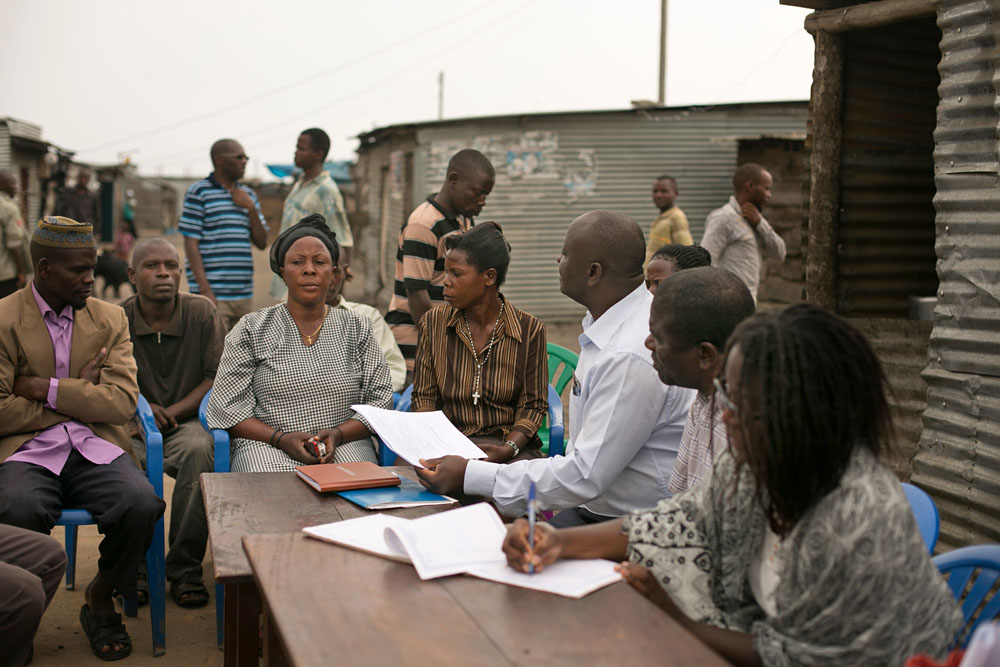
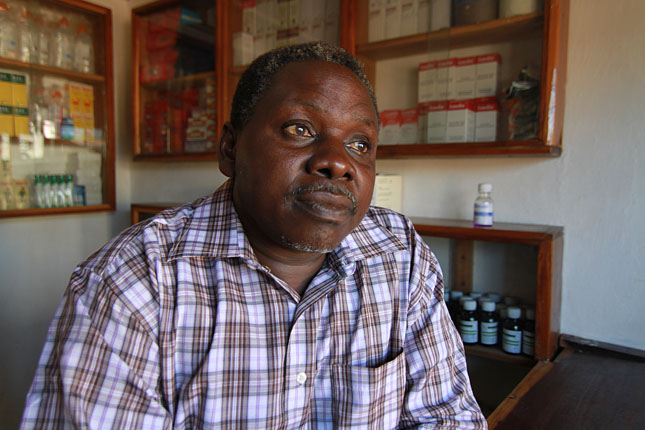
›Ask Agnes Namukasa about sustainably managing fisheries in Kachanga, the lakeshore landing site she calls home in Uganda’s Masaka District, and you will soon learn about toilets. From her perspective, community members won’t address conflict between government enforcers and fishers, competition among neighboring villages, or pollution threatening aquatic ecosystems until they can first organize to address their most pressing daily needs. And in Kachanga, where chronic childhood diarrhea and a host of other illnesses stem from poor sanitation, those essentials include public latrines.
-
Mogelgaard, McGray, Amerasinghe, World Resources Institute
What Does the Paris Agreement Mean for Climate Resilience and Adaptation?
›January 14, 2016 // By Wilson Center StaffClimate change impacts, such as severe drought, sea-level rise, and shifting seasonal patterns, will affect people everywhere. So it’s fitting that the new Paris Agreement places unprecedented importance on actions needed – both nationally and globally – to help people adapt, and solidifies expectations that all countries will do their part to promote greater climate resilience. It also recognizes that even the greatest resilience may not completely prevent harm to life and property, and that the global community must find ways to address “loss and damage” in cases where impacts are beyond the limits of adaptation.
-
Sexual and Reproductive Health and Rights Key to Youth Empowerment – But How Do You Put Girls at the Center?
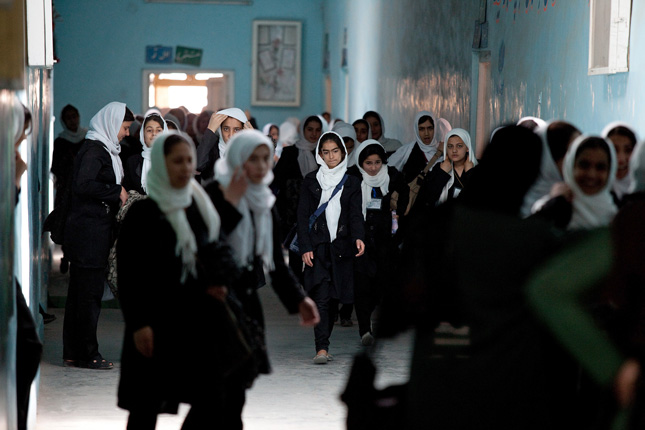
›“If we are serious about results, [the Sustainable Development Goals] must be developed from the perspective of the young person, particularly the adolescent girl. It is about her challenges, her rights, and her future. Займ на карту онлайн. Our collective success begins and ends with her,” said Benoit Kalasa, director of the technical division for the United Nation’s Population Fund at the Wilson Center on October 19. [Video Below] -
Rethinking Business As Usual: Leveraging the Private Sector to Strengthen Maternal Health
›In 2013, nearly 300,000 women died during pregnancy and childbirth. The majority of those deaths were in developing countries and entirely preventable. 500 dollar loan. Much of the effort towards reducing this number has been focused on what governments should do differently, but the private sector plays just as important a role as the public sector, said a panel of experts at the Wilson Center on September 17. [Video Below] -
Falling Costs, Rising Opportunities: Scaling Up Renewable Energy in the Developing World [Part Two]
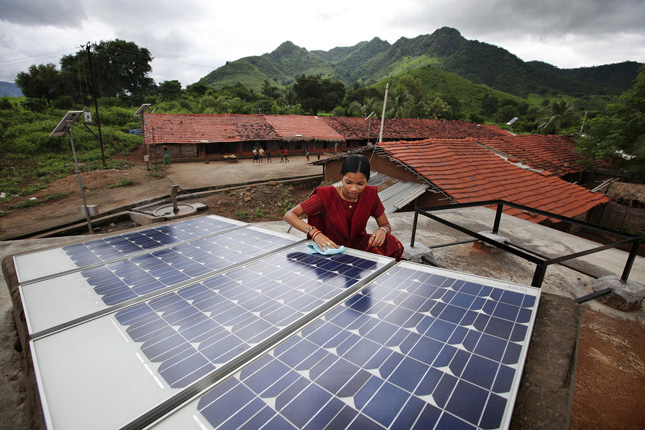
›“Clean energy has gone from being the ‘right thing to do’ in combating climate change, to being the most cost-effective option for many energy-insecure countries,” said Carrie Thompson, deputy director of the U.S. Agency for International Development’s Regional Development Mission for Asia, during a day-long conference on renewable energy at the Wilson Center on October 27 (read part one of our coverage here).
-
Zero-Emission Energy for 1.3 Billion People? Scaling Up Renewable Energy in the Developing World [Part One]
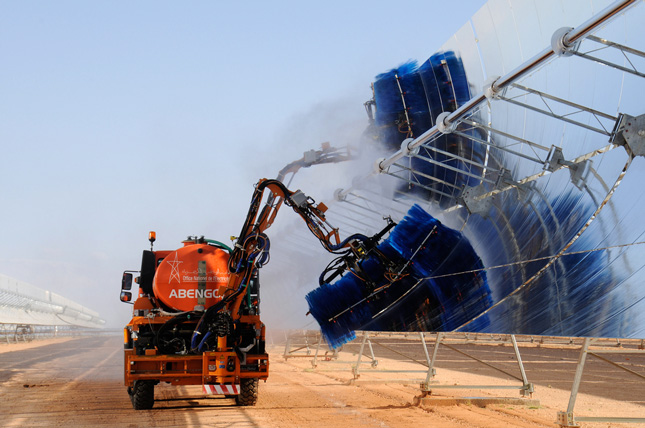
›The renewable energy sector has reached a critical inflection point where costs are competitive with fossil fuels and investment is ramping up in a big way, said more than a dozen experts at a day-long conference co-hosted by ECSP and the U.S. Agency for International Development’s Office of Global Climate Change on October 27.
Showing posts from category funding.