-
Environmental Security Weekly Watch: April 13-17, 2026
›
A window into what we’re reading at the Stimson Center’s Environmental Security Program
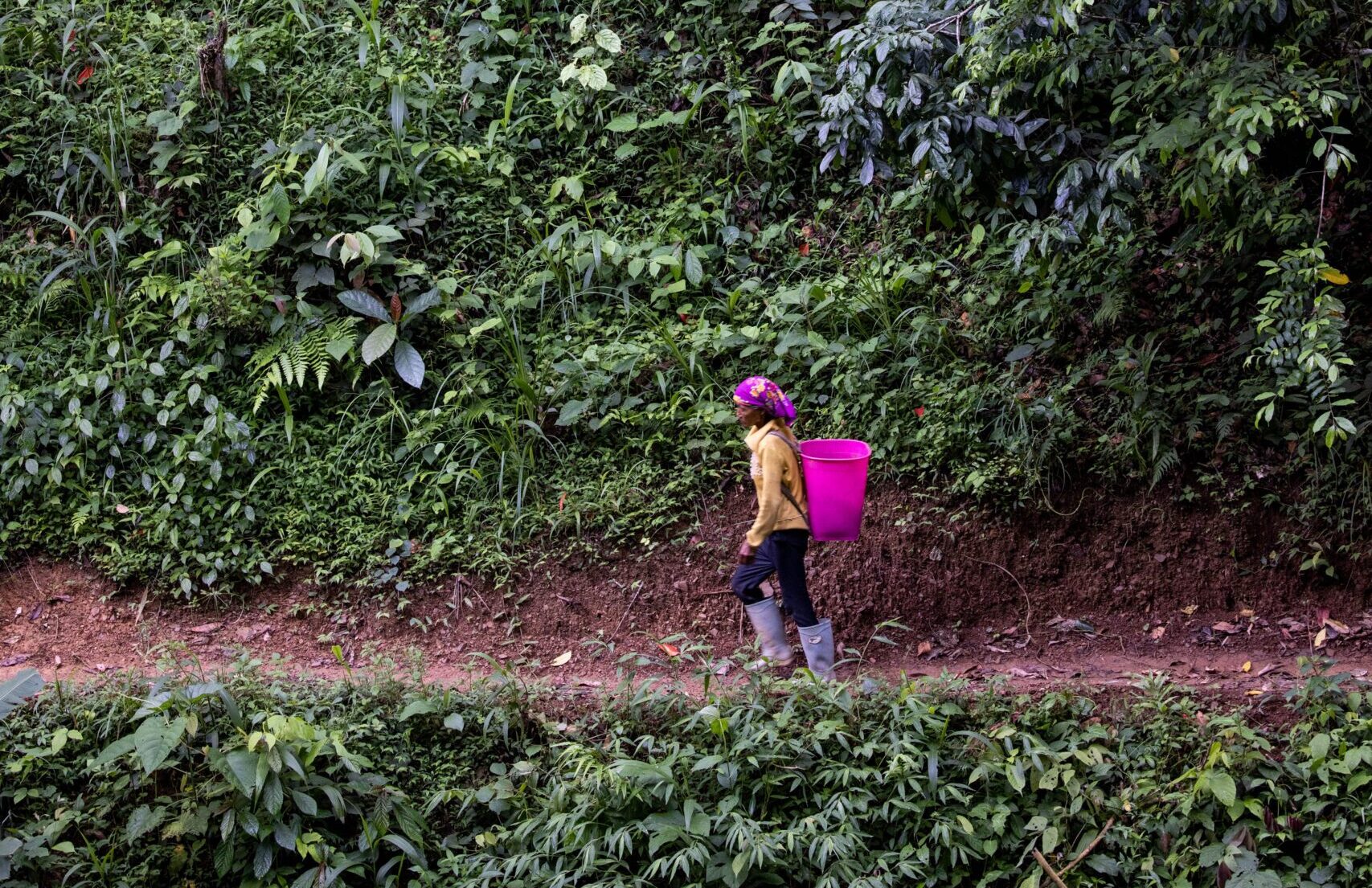
Green Corridor Addresses Conflict Economies in Virunga National Park (Mongabay)
In the Eastern Congo, Virunga National Park faces an intertwined crisis of conflict and environmental destruction rooted in economic desperation. Communities residing within the park rely on charcoal production and forest clearing for survival. Simultaneously, armed militias exploit these same resources to finance ongoing violence. In response, Virunga administrators have developed an integrated model using renewable energy as the foundation for an alternative economy.
-
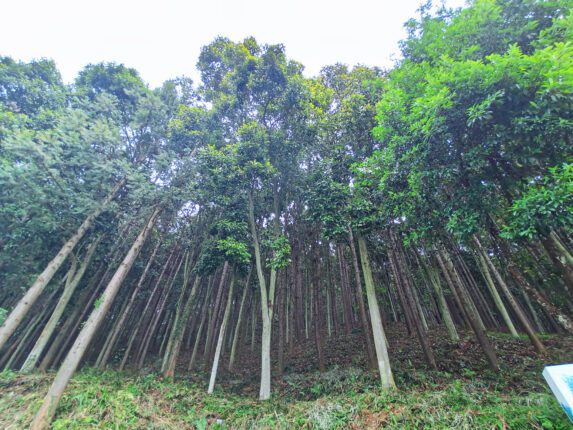
From the Forests of Yunnan: Rethinking What Tea Can Be
›
“Where is the tea?” I asked after our class had hiked through densely wooded hills for half an hour, looking around in confusion. I was among a team of Duke Kunshan University (DKU) graduate students led by Dr. Binbin Li to study tea crops grown in the tropical forests of Xishuangbanna, Yunnan Province.
-
Environmental Security Weekly Watch: January 19-23, 2026
›A window into what we’re reading at the Stimson Center’s Environmental Security Program
Community Forests Are the Frontline of a Minerals Race in the DRC (Mongabay)
In the Democratic Republic of Congo’s copper-cobalt belt, local communities are establishing community forest concessions to secure land titles and prevent eviction by mining companies. Sparked by previous displacement incidents, these concessions allow communities to hold up to 50,000 hectares in perpetuity. This region holds approximately 70% of the world’s cobalt reserves, which has attracted intense competition from Chinese companies, the United States, and the DRC state-owned Gécamines to obtain minerals essential to high-tech, weapons, and clean energy industries. Between 2001 and 2024, 1.38 million hectares of tree cover in Lualaba and Haut-Katanga provinces were lost due to mining activities.
-
ECSP Weekly Watch | March 17 – 21
›A window into what we’re reading at the Wilson Center’s Environmental Change and Security Program
Canal Projects Endanger Water Security in Pakistan’s Indus Delta (Al Jazeera)
Dozens of villages in the Indus Delta have been submerged by the encroaching sea over recent years, pushing thousands to migrate inland. Now, local residents in Pakistan fear that new canal projects may further exacerbate water shortages in the region.
-
ECSP Weekly Watch | December 16 – 20
›A window into what we’re reading at the Wilson Center’s Environmental Change and Security Program
Humanitarians Highlight the Climate-Conflict Nexus (The New Humanitarian)
Climate change’s disproportionate impacts on vulnerable populations exacerbate socioeconomic inequalities and conflict, particularly during natural disasters. This vexed connection has led humanitarians and peacebuilders increasingly to address climate and conflict challenges together in order to provide integrated relief, recovery, and aid.
-
Money Can Grow on Trees: Forestry Rights Reform for Decarbonization in China
›High in the remote mountains of western Fujian Province, Changkou—part of Sanming Prefectural City—became the first village to launch a new forestry carbon ticket system in May 2021. Changkou farmers have long received little benefit in managing forests because of fragmented forest land, high investment risks, and limited ownership rights. To solve those problems, the Sanming Forestry Bureau issued tickets to forestry farmers, granting them the right to receive stocks on their plots of forests by cooperating with farms in a certain period. Meanwhile, the carbon tickets grant farmers the right to earn carbon emission credits for their land and trees.
Showing posts from category forestry.