-
We’re At Peak Storytelling – And That’s a Good Thing
›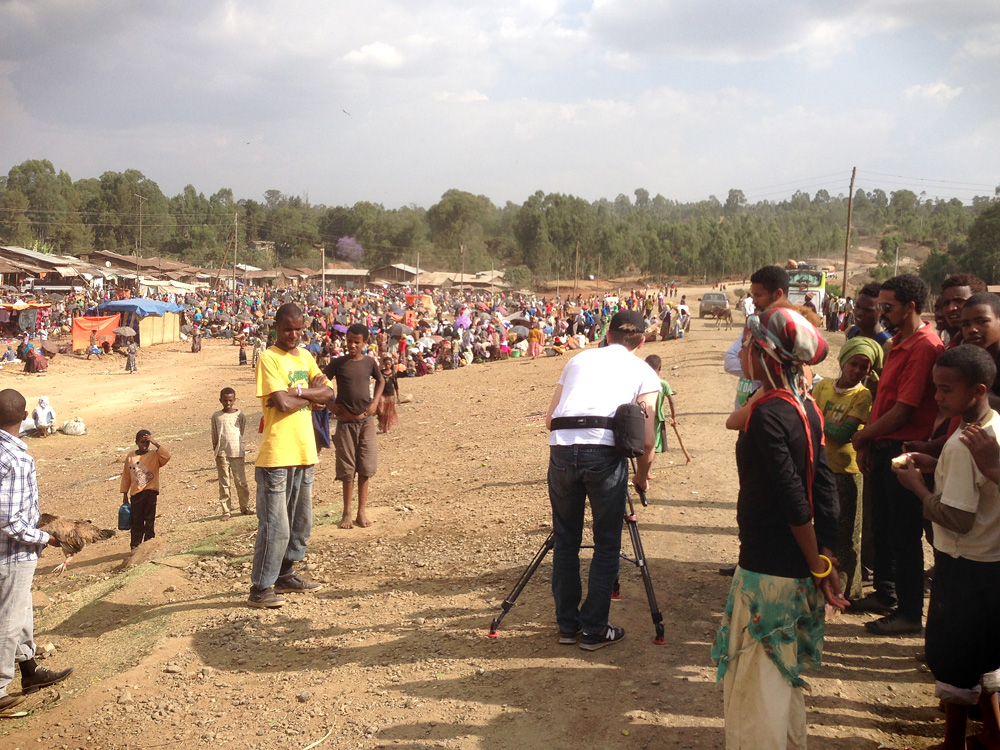
Everywhere you look these days, you find storytellers. I’ve found myself going to fewer concerts after work and more storytelling nights. Podcasts have sprung up dedicated to the craft of narrative. It’s a brand I hear friends use to define themselves: “I’m a storyteller.” If you’re under 30, it’s a natural and ubiquitous part of the milieu.
-
Should the UN Security Council Take Up Climate Security Issues? Ken Conca on Institutional Change
› As the dust settles on the newly minted Sustainable Development Goals (SDGs) and Paris climate agreement, countries have begun tackling operational questions aimed at limiting global warming to two degrees Celsius and ensuring peaceful, sustainable development.
 -
Corruption, Climate Change, and Vulnerability in Small-Island States
›As international funding to support environmental management and development increases, the danger of associated corruption grows and requires greater attention. Small-island developing states (SIDS), greatly exposed to the damage caused by climate change, are particularly vulnerable. These small, trailblazing countries in the Pacific, Caribbean, and Indian Ocean are making progress in addressing climate threats, but will need international support and local commitment regarding rule of law and corruption in the climate sector as they try to prevent the worst effects of climate change and find a sustainable way to develop.
-
Feeding the Future? A Closer Look at U.S. Agricultural Assistance in Tanzania
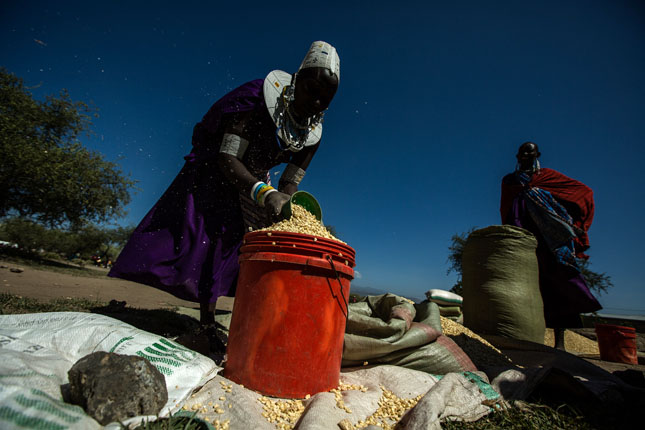
›May 11, 2016 // By Haodan "Heather" ChenBetween 2010 and 2015, Tanzania received more than $320 million in assistance via the U.S. government’s Feed the Future Initiative – the most of any country. But despite these commitments and an average of six to seven percent annual economic growth since 2000, Tanzania did not meet the first Millennium Development Goal: to reduce hunger and extreme poverty by half by the end of 2015.
-
Christine Parthemore, Center for Climate and Security
How Are Climate Plans Affecting Nuclear Security?
›May 5, 2016 // By Wilson Center StaffToday, new nations are pursuing civilian but dual-use nuclear capabilities, the threat of non-state actors seeking nuclear materials may be growing, and countries continue to debate proper ways to enhance nuclear safety, security, and nonproliferation systems to keep up with the pace of change. At the same time, governments worldwide are having difficulty managing the effects of a rapidly changing climate, such as more damaging natural disasters and resource stress. The relationships among nuclear, climate, and security risks are growing more complex and interconnected, and these issues are likely to begin converging in new ways. By early 2016, it has become clear that the international community must take a fresh look at the ways in which they are likely to connect and potentially collide in the years ahead, and foster deeper dialogue on what should be done about it.
-
From Climate Challenge to Climate Hope: Embracing New Opportunities This Earth Day
›April 22, 2016 // By Roger-Mark De SouzaThis Earth Day, the United States, China, and Canada are among more than 170 countries expected to take part in the largest one-day signing of an international agreement in history. The ratification of the climate agreement hammered out at the Paris Conference of Parties (COP-21) last December could be the most significant elevation of environmental issues on the global stage yet.
-
Breaking the Fragility Trap: What Role for the World Bank?
›Last month, the World Bank’s Fragility Forum in Washington, DC, brought together some 600 participants to discuss how to advance sustainable development in the context of increasing conflicts and violence. World Bank President Jim Yong Kim opened the forum by emphasizing that we are at a critical moment.
-
Ruth Greenspan Bell, The Guardian
In the Fight for Climate Action, Data Isn’t Always Your Friend
›April 6, 2016 // By Wilson Center StaffWhen anyone wishes to support – or defeat – a given position, the sturdiest method is to generate data to predict its consequences. Advocates generate reams of numbers to substantiate their preferred outcome.
Showing posts from category foreign policy.
 As the dust settles on the newly minted Sustainable Development Goals (SDGs) and Paris climate agreement, countries have begun tackling operational questions aimed at limiting global warming to two degrees Celsius and ensuring peaceful, sustainable development.