-
Advancing U.S. Prosperity and Security in a Thirsty World
›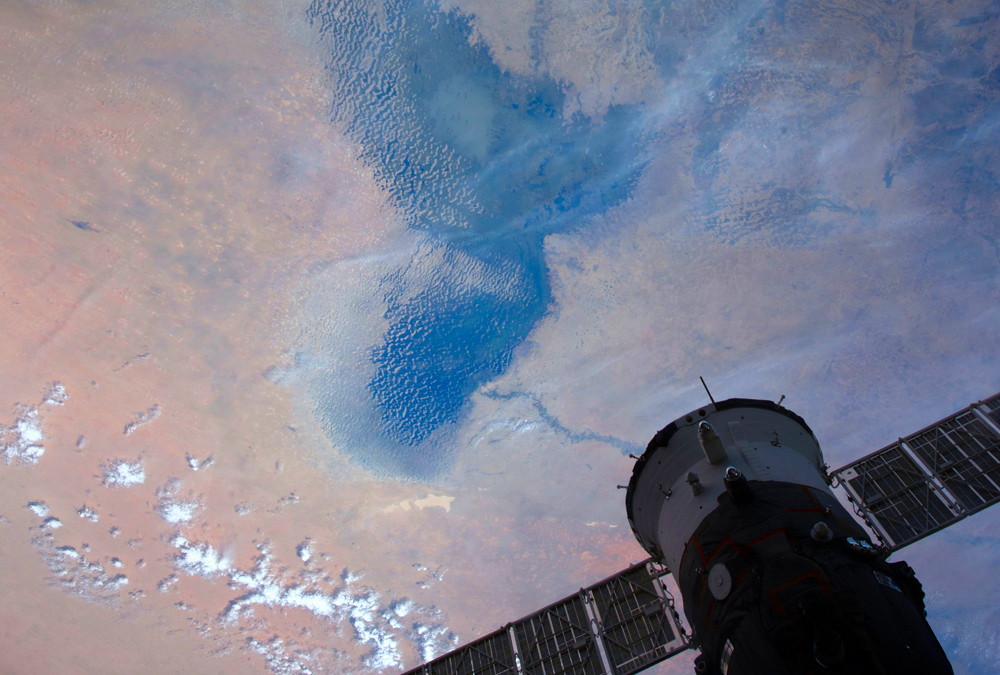
The waters of Lake Chad sustain 70 million people in four countries. Beginning in the 1970s, the 25,000-square-kilometer lake began shrinking due to excessive drawdown for agriculture and mining. Now only 10 percent remains. The dwindling water supply devastated food production and fostered massive economic and political tensions. Many experts credit the worsening conditions for contributing to the rise of Boko Haram, an extremist group that has killed 20,000 people and forced 2.3 million more to flee.
-
Afghanistan’s Water Plans Complicated by Worried Neighbors
›
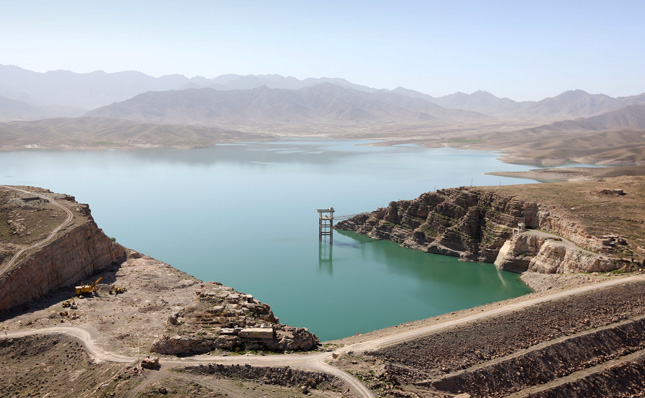
More than 40 years ago, the Soviet Union attempted to harness hydropower to modernize Afghanistan. Between 1960 and 1968, they poured money and technical knowledge into the 100-meter Naghlu gravity dam outside Kabul and a village for its workers called Sharnak. Although the town has been damaged and the boons of modernity remain elusive for many Afghans, the dam remains a crucial source of power for the capital and is the largest power plant in the country with an installed capacity of 100 megawatts.
-
Mattis Latest in Succession of Senior Military Leaders to Warn About Climate Change
›March 17, 2017 // By Schuyler NullThis week, newly minted Secretary of Defense James Mattis joined a long list of senior U.S. military leaders who have warned about the national security threats of climate change.
-
Julia McQuaid on the Complex Link Between Water and Conflict in the Middle East and North Africa
›Does global water stress matter for U.S. national security, and if so, how? That’s a major focus of the next CNA Military Advisory Board report, says Julia McQuaid of the CNA Corporation in this week’s podcast. She talks about the preliminary findings of the report and how the national security community views water. -
A Chronic Crisis, Now Acute: WWF’s Recommendations for the First U.S. Global Water Strategy
›The intelligence community’s landmark Global Water Security assessment in 2012, warned of major water-driven challenges to U.S. national security. The combined assessment of several intelligence agencies foresaw many challenges to U.S. policy objectives and national security arising from protracted drought, declining water quality, and more natural disasters in countries important to U.S. interests. The intelligence community further warned of rising social instability, cross-border tensions, and a steady drain of resources away from other development objectives. These warnings have proven prescient.
-
Pakistan’s Unheralded Fight Against Climate Change
›In recent months, the Indus Waters Treaty (IWT) has been in the headlines – and for all the wrong reasons.
-
A Journalists’ Guide to Energy and the Environment in 2017
›“Turbulent and possibly revolutionary times are ahead for U.S. energy and environmental policy,” said Bobby Magill, a senior science writer at Climate Central, at the Wilson Center on February 3. “If there’s one message the Trump Administration is sending about environmental and climate regulations, it’s this: The future will not look like the past.”
-
Sharon Guynup, Mongabay
Axing “Conflict Minerals” Rule Also Threatens DRC’s Endangered Grauer Gorillas
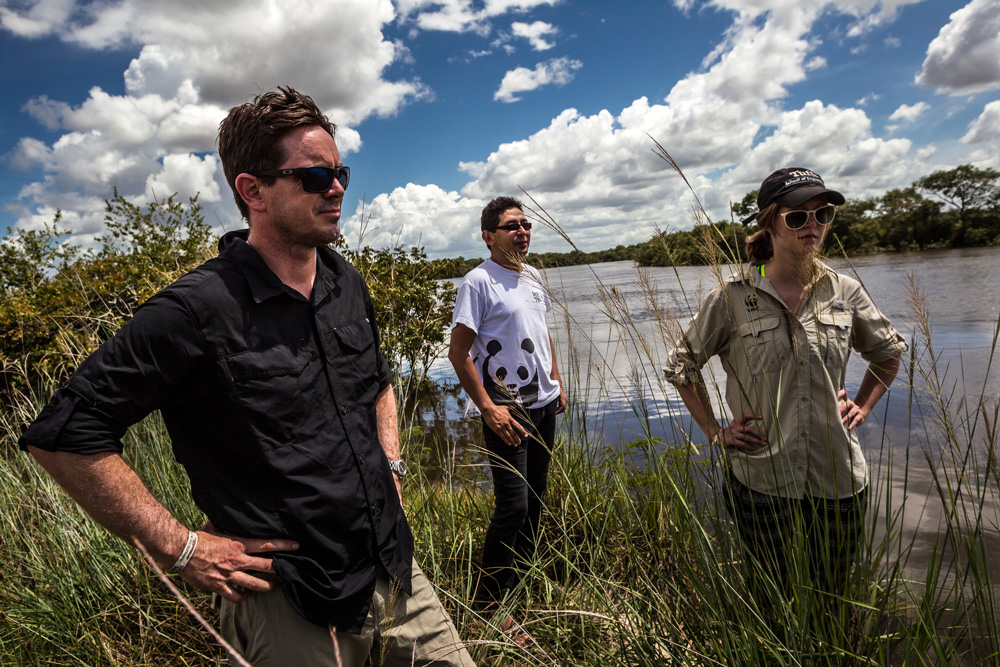
›March 2, 2017 // By Wilson Center StaffFor weeks, the primatologists had followed a group of Grauer’s gorillas over rugged terrain – hacking through dense rainforest; following knife-edged ravines; and crossing a nearly impenetrable mountainous landscape in the eastern part of the Democratic Republic of the Congo (DRC).
Showing posts from category foreign policy.

 Does global water stress matter for U.S. national security, and if so, how? That’s a major focus of the next