-
The Arc | Joanita Babirye on Women’s Climate Leadership in Uganda
›
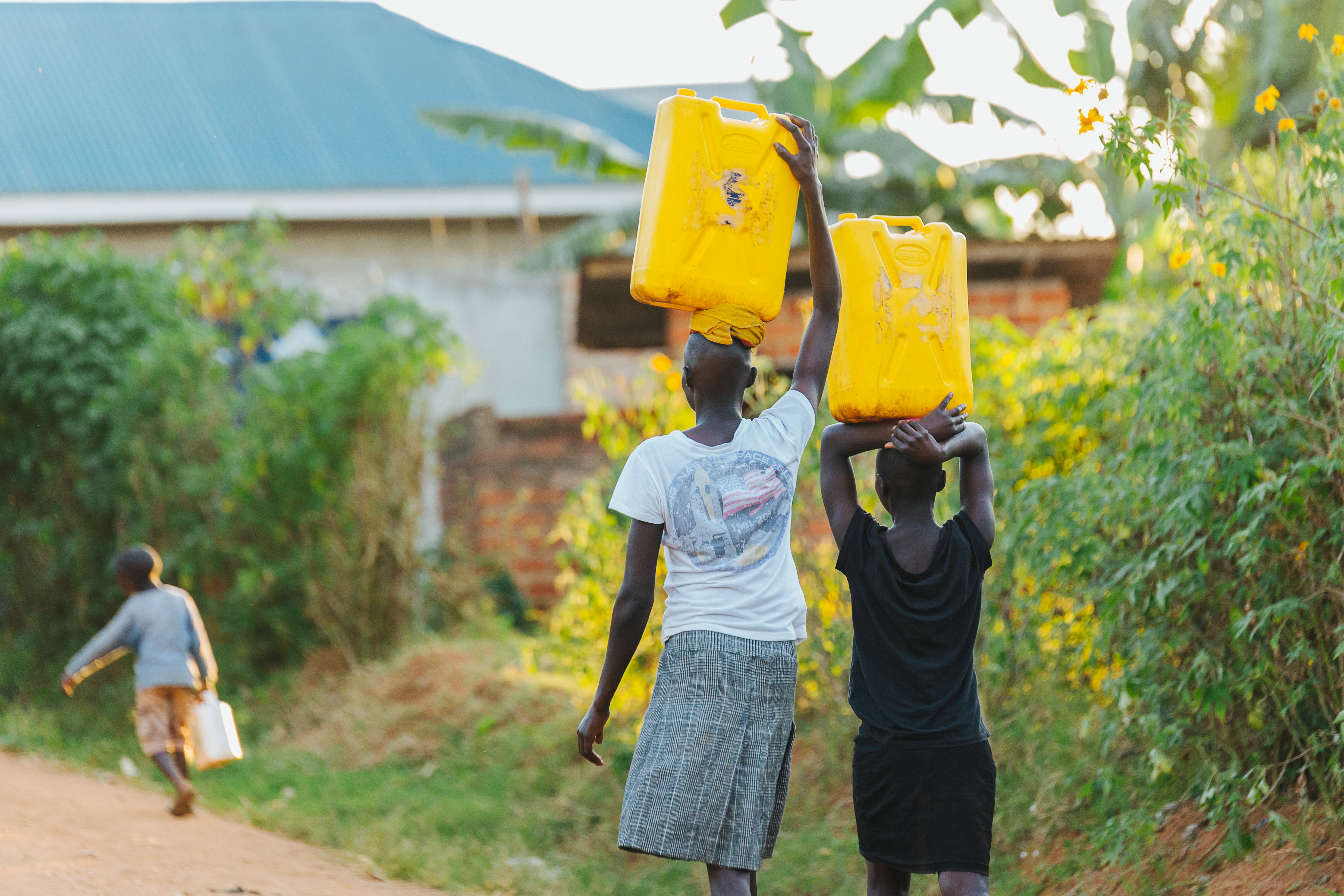
In today’s episode of The Arc, ECSP’s Claire Doyle and Angus Soderberg interview Joanita Babirye, Co-founder of Girls for Climate Action. Joanita shares her firsthand experiences with climate stressors and the broader impact of climate change on women in Uganda. But it’s also a story of hope: She tells us about her work training over 300 women in climate action and facilitating climate demonstration hubs, underscoring the role that women and girls can play as catalysts for change in the face of the climate crisis.
-
ECSP Weekly Watch | November 13 – 17
›
A window into what we are reading at the Wilson Center’s Environmental Change and Security Program
A Fifth National Climate Assessment
The US Global Change Research Program launched the fifth National Climate Assessment (NCA) on Monday, November 13. Published once every five years, the NCA is the United States’ leading report on climate change impacts, risks, and responses.
-
Relief, Recovery, and Peace: David Nicholson on COP28’s New Theme
›In a new mini-series previewing the upcoming UN Climate Summit (COP28)’s new focus on relief, recovery, & peace, ECSP Program Director Lauren Risi spoke with David Nicholson, Director of the Environment, Energy and Climate Change Technical Support Unit at Mercy Corps.Nicholson described his role in ensuring that climate change is at the center of Mercy Corps’ wide-ranging and successful global humanitarian aid programs in 42 countries—and the importance of having local staff to make interventions a true partnership. He also talks about climate finance, and his hopes that COP28’s theme of “relief, recovery and peace” will advance the view that peacemaking is essential to adaptation efforts.
-
The Next Feminist Wave: Heat
›The summer of 2023 featured some of the hottest days ever recorded. Feminists should be alarmed.
Climate change may not seem like a feminist issue on its face. A warming planet poses a cross-cutting and common threat. But the perception that climate impacts result in uniform harm produces partial solutions that neglect the world’s most vulnerable populations. This alone makes environmental justice a gender justice issue as well.
-
All You Can Eat: Unlocking Greenhouse Gas Mitigation Potential in China’s Agri-food System
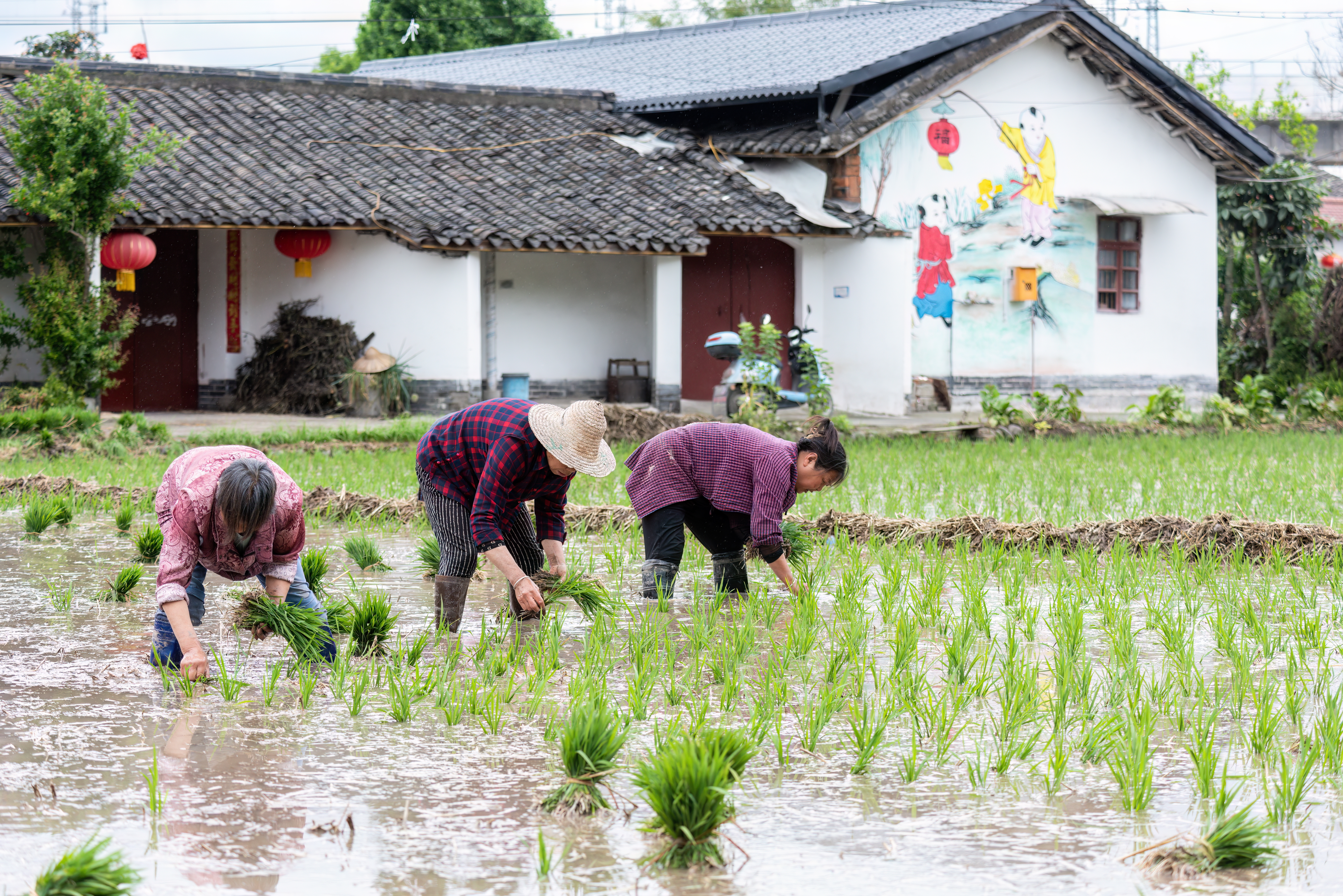
›China Environment Forum // Cool Agriculture // Guest Contributor // October 26, 2023 // By Meian Chen & Diego MonteroChina’s power sector makes up the lion’s share of the country’s greenhouse gas emissions, but rising methane emissions from rice farming and livestock, nitrous oxide emissions from fertilizers, and CO2 from food transport could all hinder China’s progress toward its 2060 carbon neutrality goal. Chinese policymakers could rein in agri-food emissions by modifying existing climate plans and policies. Climate-smart agriculture is not only a mitigation strategy, but also an adaptation strategy to intensifying extreme weather events like heatwaves and typhoons. -
ECSP Weekly Watch | October 16 – 20
›A window into what we are reading at the Wilson Center’s Environmental Change and Security ProgramWater Security Concerns in Gaza
Hamas’ surprise attack on Israel on October 7th led the Israeli government to cut off water supplies to the Gaza Strip with immediate effect. This has resulted in a clean water crisis that the UN warns is now a matter of life and death.
-
ECSP Weekly Watch | October 9 – 13
›A window into what we are reading at the Wilson Center’s Environmental Change and Security Program
Organizing Regional Action on Climate Change, Health, and Environment
As the 2030 deadline for the Sustainable Development Goals looms, the World Health Organization has proposed a new regional framework that aims to build climate-resilient and sustainable health systems, improve the health sector’s access to climate funding, and build an evidence base for policymaking.
-
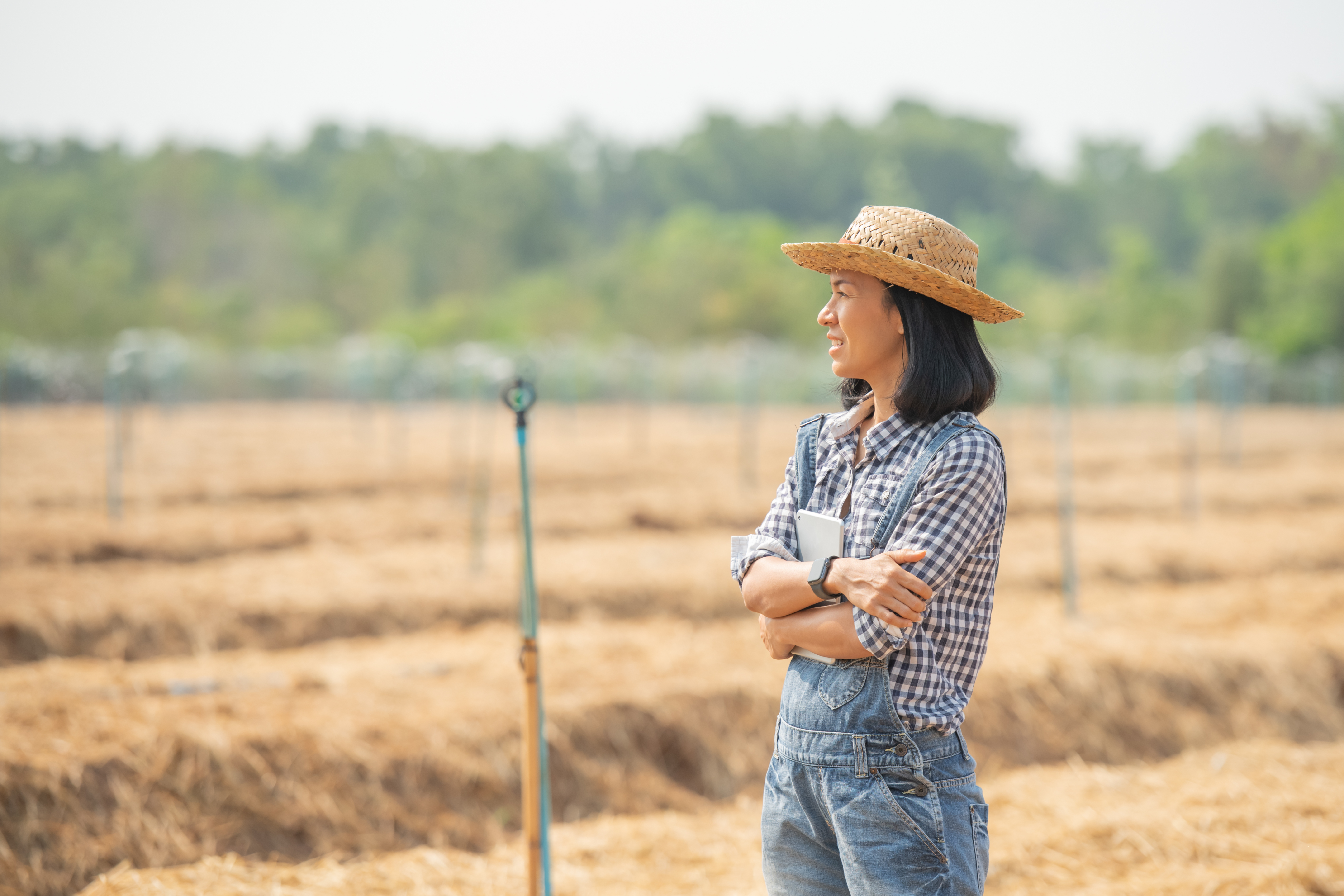
US and Chinese Farmers Adapting to a New Climate
›China Environment Forum // Cool Agriculture // Guest Contributor // October 12, 2023 // By Abigail OrdillasExtreme heat from climate change threatens food security in the world’s two food-producing superpowers. Climate adaptation for agriculture is a must. The US and China have much to share on climate-smart farming practices to help us both weather the storms and droughts. 2023 brought scorching heat waves that baked crops and livestock in China and the United States. In China, farm animals and fish died from extreme heat in June with some provinces enduring weeks of temperatures above 40°C (104°F). In one farm, a heatwave-triggered power outage resulted in hundreds of pigs suffocating to death after shed fans stopped working.
Showing posts from category food security.
 In a new mini-series previewing the upcoming UN Climate Summit (COP28)’s new focus on relief, recovery, & peace, ECSP Program Director Lauren Risi spoke with David Nicholson, Director of the Environment, Energy and Climate Change Technical Support Unit at Mercy Corps.