-
What Can Iraq’s Fight Over the Mosul Dam Tell Us About Water Security?
›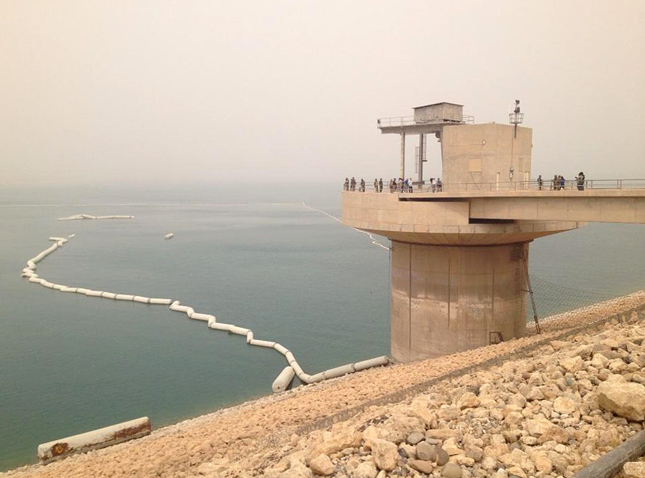
The fight for control over “the most dangerous dam in the world” is raging.
Since its capture by Islamic State (IS) militants on August 7 and subsequent attempts by Iraqi government and Kurdish forces to take it back, Iraq’s Mosul Dam has been one of the central components of the government’s surprising and rapid collapse in the country’s northern and western provinces. In fact, one might see the capture of the Mosul Dam as the moment IS ascended from a dangerous insurgent group to an existential threat to Iraq as a state.
-
Sexual Violence Beyond the Warzone, and the Relationship Between Child Marriage and Fragile States
›
Two recent reports reaffirm the particular vulnerability of women and children in disasters, conflicts, and fragile states, but also highlight gaps in common perceptions of their experiences.
-
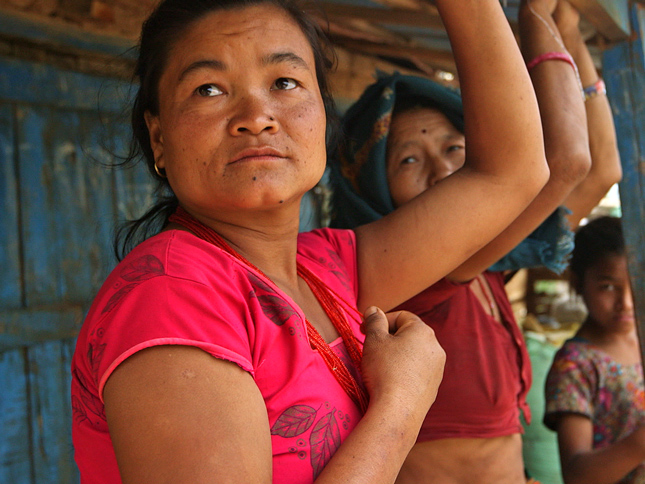
Somali Refugees Show How Conflict, Gender, Environmental Scarcity Become Entwined
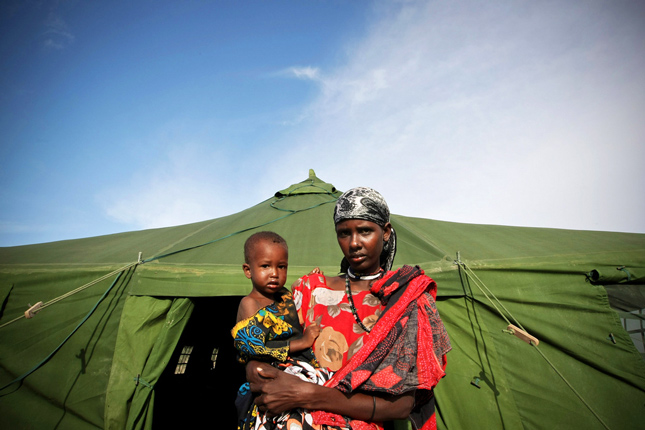
›Under international law, someone who flees their country because of conflict or persecution is a refugee, but someone who flees because of inability to meet their basic household needs is not. In the case of Somalia, it is increasingly difficult to make any meaningful distinction between the two.
-
Ian Kraucunas on Bridging the Science-Politics Divide for Climate Change
›
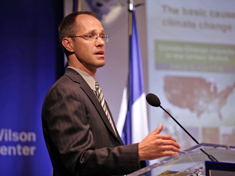
“Climate change is not just a far-away thing that affects far-away people,” says Ian Kraucunas, deputy director of atmospheric sciences and global change at the Pacific Northwest National Laboratory in this week’s podcast. “It affects things people here in the U.S. care about – and, in fact, that includes national security.”
-
Africa’s Trifecta: Food Security, Resilience, and Demographics at the U.S.-Africa Leaders Summit
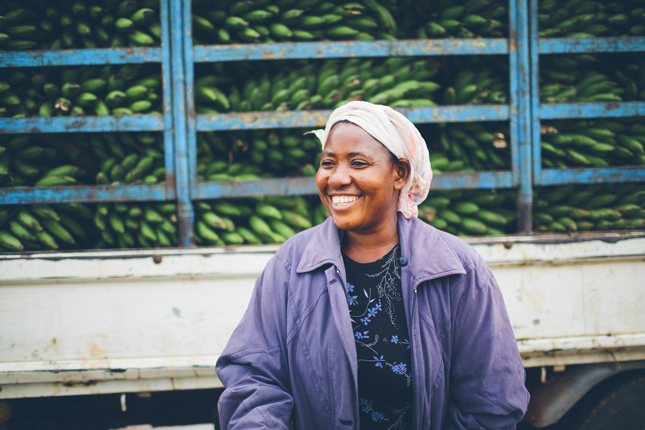
›August 5, 2014 // By Roger-Mark De Souza“You can’t build a peaceful world on an empty stomach,” Secretary of State John Kerry said yesterday at a high-level working session on resilience and food security, quoting Norman Borlaug, the father of last century’s “Green Revolution.”
-
Family Planning and Environmental Sustainability Assessment Aims to Shed Light on Pop-Environment Link
›As global environmental change accelerates, understanding how population dynamics affect the environment is more important than ever. It seems obvious that human-caused climate change has at least something to do with the quadrupling of world population over the last 100 years.
-
New Research Explores Causality of Climate-Related Conflict, Effectiveness of Migration
›Migration is an “extreme” form of climate adaptation, but it does pay off for some, write Md. Monirul Islam et al. in a new article in the journal Climatic Change. In a study analyzing two Bangladeshi fishing communities, one long-established, the other the result of migration, the authors examine the effects of climate-induced migration on livelihood vulnerability. -
Don’t Forget About Governance: The Risk of Tunnel Vision in Chasing Resilience for Asia’s Cities
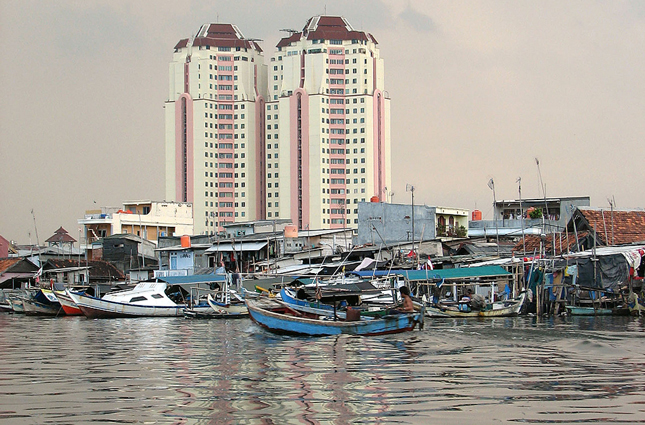
›Asia is going through an unprecedented wave of urbanization. Secondary and tertiary cities are seeing the most rapid changes in land-use and ownership, social structures, and values as peri-urban and agricultural land become part of metropolitan cityscapes. All the while, climate change is making many of these fast-growing cities more vulnerable to disasters.
Showing posts from category food security.