-
ECSP Weekly Watch | October 15 – 18
›
A window into what we’re reading at the Wilson Center’s Environmental Change and Security Program
Global Water Stress May Create a Food Crisis (Guardian)
In its recent report, The Economics of Water, the Global Commission on the Economics of Water examined world hydrological systems and their impact on water availability—and warn of imminent shortcomings in food production. The study asserts that the demand for freshwater will outweigh the supply by 40% in 2030, highlighting a significant shift in previous freshwater requirement estimates.
-
Long Term Climate Resilience: A Pathway to Stabilize Somalia
›
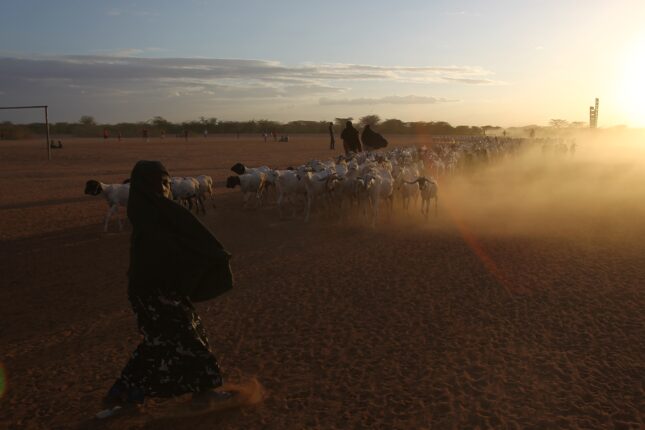
Somalia is trapped in a cycle where climate impacts—droughts, floods, and erratic weather patterns—fuel displacement, poverty, and conflict. With agriculture and pastoralism at the core of its economy, the country is particularly vulnerable to these environmental shocks, which create fertile ground for insurgent groups to exploit the resulting instability.
-
ECSP Weekly Watch | September 16 – 20
›A window into what we’re reading at the Wilson Center’s Environmental Change and Security Program
COP29-Host Azerbaijan Accused of Hypocrisy (The Guardian)
Azerbaijan holds the presidency for the upcoming COP29 in November 2024, and it is using that platform to call for all member states to cease any ongoing conflict they are involved in during the two-week conference. The Central Asian country will also host a “peace day” on November 15, and is putting forth a COP29 Climate and Peace Initiative to support vulnerable countries and advance action in the climate and peace nexus.
-
War and Climate Change Intensify Global Water-related Conflicts
›The Pacific Institute recently updated its Water Conflict Chronology—a database of water-conflict events that began to take form in the 1980s. The recent updates include the addition of 300 new entries to the database, highlighting the alarming rise of water-related conflicts in the last few years. Despite this overwhelming evidence of a growing trend in water-related conflicts, global attention toward addressing them remains negligible.
-
ECSP Weekly Watch | August 26 – 30
›A window into what we are reading at the Wilson Center’s Environmental Change and Security ProgramWorld Food Program Faces Scrutiny Over Fraud in Sudan (Reuters)
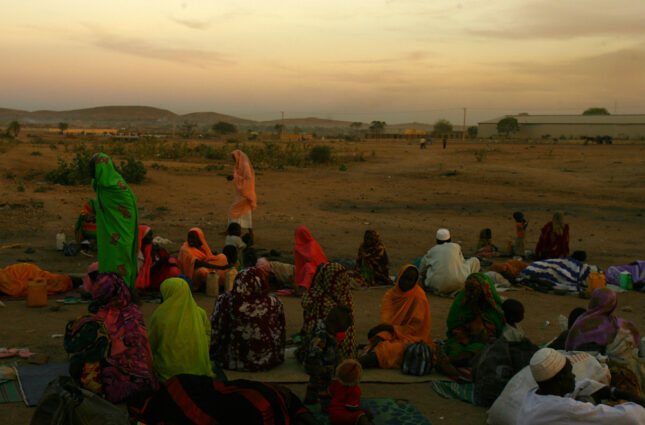
As Sudan suffers an immense humanitarian crisis due to an ongoing internal conflict between the Army Forces and the paramilitary Rapid Support Forces (RSF), the U.N. World Food Program (WFP) has provided crucial aid to people displaced by the conflict. Yet its ability to continue this crucial work is now under threat because of allegations of illicit activities made against its top officials in that country. These developments have drawn the attention of humanitarian practitioners and diplomats—who also have concerns regarding WFP’s mismanagement and how it might have contributed to the failure to deliver enough aid in Sudan.
-
Earlier Assessments of Conflict Damage Can Spur Timely Relief
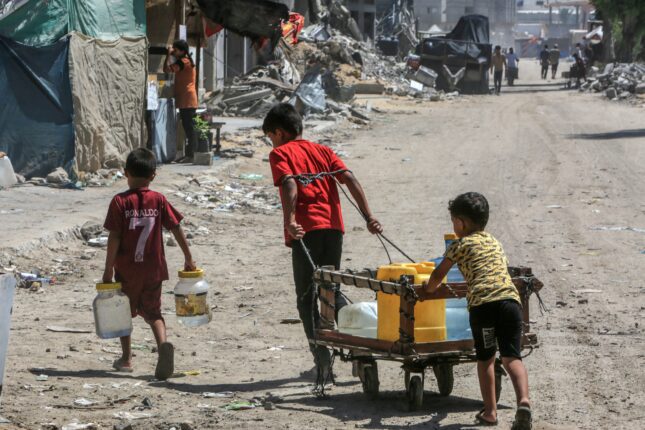
›The widespread destruction of infrastructure has been a calamitous and common feature across many of the recent wars in the Middle East and North Africa and Ukraine—and urban landscapes such as Aleppo, Raqqa, Kharkiv, Mariupol, and Gaza City have borne the brunt of attacks. Without clean drinking water, electricity, treated sewage, food supplies, and medical services, cities become uninhabitable, disrupting the infrastructure upon which populations depend for basic services, and often leading to their forcible displacement. Civilians are also at risk of malnutrition, starvation, and preventable diseases that spread from dirty water and raw sewage in urban centers.
-
ECSP Weekly Watch | July 22 – 26
›A window into what we are reading at the Wilson Center’s Environmental Change and Security Program
Worsening Health Conditions in War-Torn Gaza (BBC)
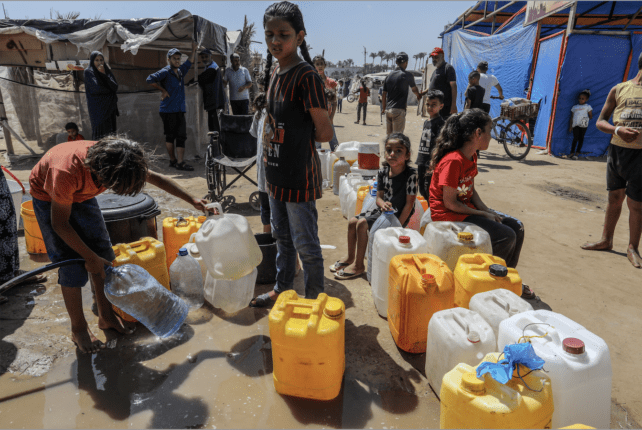
Water infrastructure in Gaza was already weak before the beginning of the war in 2023, but intensified conflict and siege of critical infrastructure the damage wreaked by Israel’s military forces on critical infrastructure (including water, energy, and food), has left 70% of the people in Gaza exposed to salinated and contaminated water. Traces of polio have been found in wastewater flowing both between displacement camp tents and in inhabited areas, and experts suggest that this water might be circulating.
-
“A Devastating Toll”: Sudan’s Maternal Health Nightmare
›Ongoing fighting in Sudan has led to a devastating humanitarian crisis that United Nations Humanitarian and Emergency Relief Chief Martin Griffiths calls “one of the worst humanitarian nightmares in recent history.”
Among the millions of people harmed by the fighting are countless pregnant people and new mothers, who face direct and indirect threats to their health and lives in the country’s renewed conflict. Sudan was already suffering from a maternal mortality crisis prior to the onset of its latest civil war. Before the most recent round of bloodshed, Sudan’s maternal mortality rate stood at 270 deaths per 100,000 live births in 2020 – higher than the global average of 223 deaths. And as this crisis worsens, it is imperative to call attention to what is occurring there.
Showing posts from category food security.