-
Soy What? How China’s Growing Appetite is Transforming the Port of Oakland
›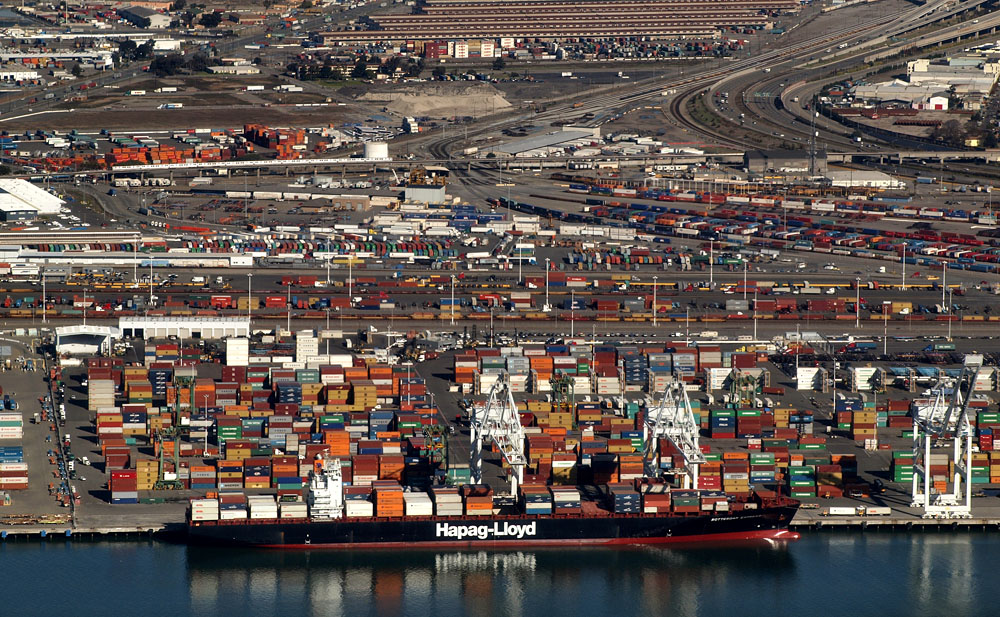
There’s perhaps no better evidence of China’s growing appetite for American agricultural products than the ongoing transformation of the port of Oakland.
-
Lisa Palmer, The Guardian
India’s Climate Tech Revolution Is Starting in its Villages
›October 16, 2015 // By Wilson Center Staff
Camels pulling wooden carts loaded with coconuts plod down the main road amid speeding motorcycles, buses, rickshaws, and cars. Farmers sit atop slow-moving oxcarts loaded with grasses and other cattle feed. In this region of central Gujarat, India, it appears that rural life has not changed for decades.
-
Food Security Goals Linked to Expanding Access to Family Planning, Says PRB Report
›Food security and proper nutrition are essential elements for the good health and wellbeing of individuals and communities. Proper nutrition increases productivity and subsequently helps lift families out of poverty. However, an estimated 800 million people are chronically malnourished across the world. Globally, more than 3 million children die each year due to illnesses caused by malnutrition.
-
Beginning With the End in Mind: Midterm Results From an Integrated Development Project in Lake Victoria Basin
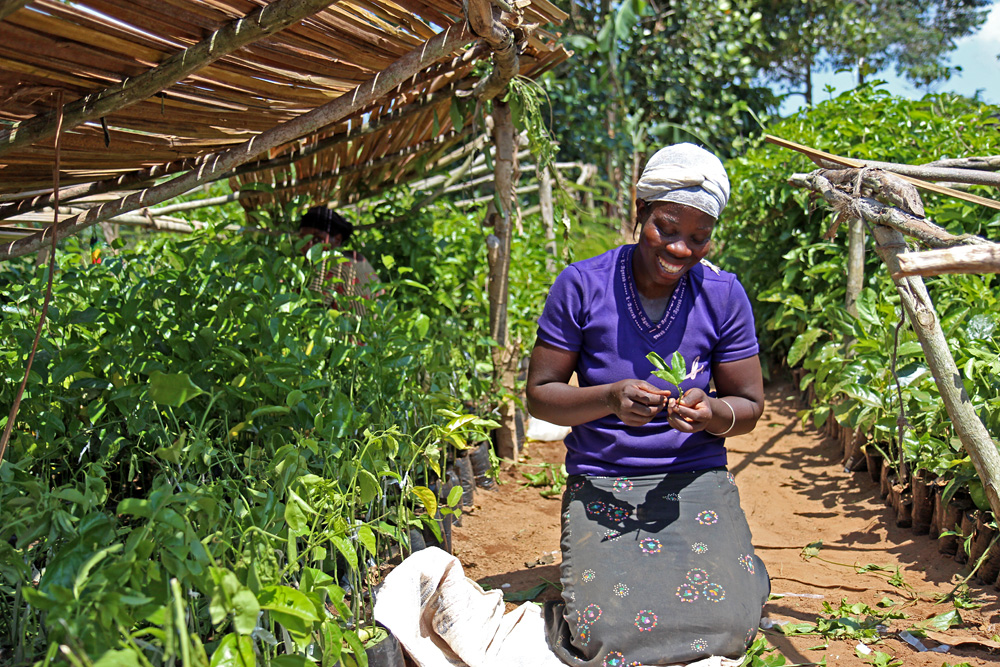
›More than 80 percent of the estimated 42 million people living in Central Africa’s Lake Victoria Basin depend on fishing or farming for survival. Given this overwhelming reliance on natural resources, the lake’s deteriorating condition – driven by climate change, agriculture, pollution, deforestation, overfishing, and industrialization – has far-reaching implications.
-
John Furlow on Better Coordination for Better Climate Adaptation
›“We [need to] stop treating ‘adaptation’ like a sector,” says John Furlow, climate change specialist at the U.S. Agency for International Development (USAID), in this week’s podcast, “but start treating it as a stress or a risk that undermines the development sectors, the environmental sectors, the social sectors that we care about.” -
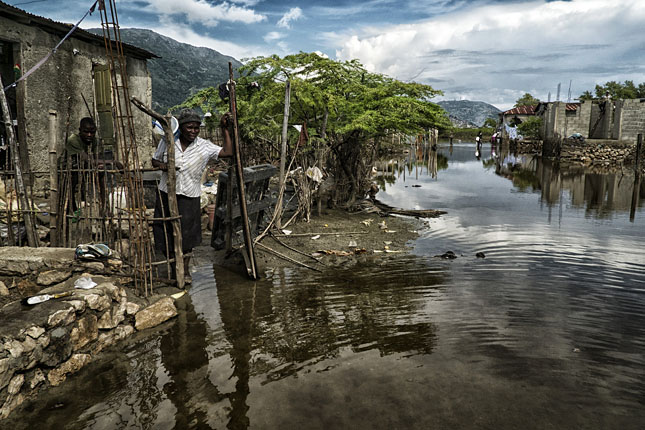
Sally Edwards on Health and Climate Change in the Caribbean: “It’s a Very Complex Web”
›“The relationship between human health…and environmental changes is extremely complex,” says Sally Edwards, advisor for sustainable development and environmental health of the Pan-American Health Organization/World Health Organization office for the eastern Caribbean countries, in this week’s podcast. -
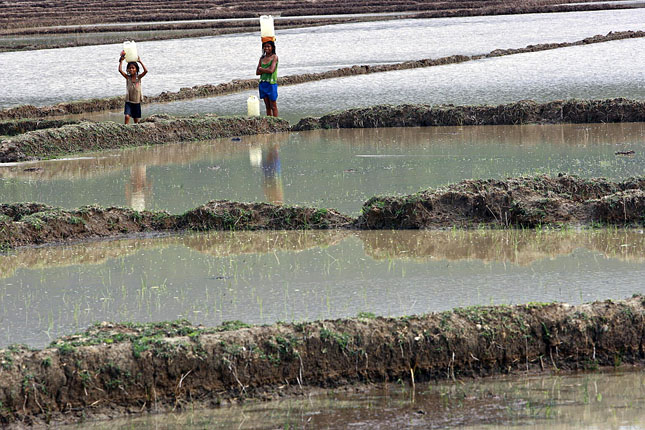
Without Water, No Sustainable Development: World Water Week 2015
›The World Economic Forum recently named water crisis the world’s number one risk for the next 10 years for its potential impact on people and industry. Indeed, as the global community grapples with climate change – and environmental change of all kinds – understanding the fundamental nature if water to human society is crucial. The input report for this year’s World Water Week, released yesterday by the Stockholm International Water Institute, in fact argues that getting water management right is a prerequisite for sustainable development.
-
New Research Links Water Security and Economic Growth
›While it is intuitively clear that economic growth is related to water security – understood here as both water availability and also exposure to water-related risks such as drought and floods – there has been very little empirical evidence of this relationship to date.
Showing posts from category food security.
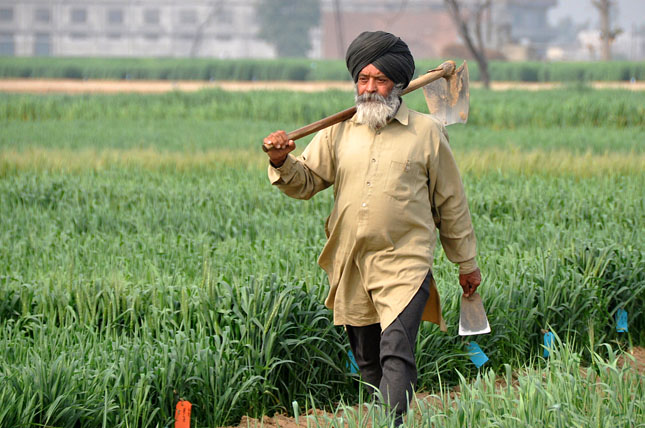
 “We [need to] stop treating ‘adaptation’ like a sector,” says John Furlow, climate change specialist at the U.S. Agency for International Development (USAID), in this week’s podcast, “but start treating it as a stress or a risk that undermines the development sectors, the environmental sectors, the social sectors that we care about.”
 “The relationship between human health…and environmental changes is extremely complex,” says Sally Edwards, advisor for sustainable development and environmental health of the