-
A More Resilient World: The Role of Population and Family Planning in Sustainable Development
›
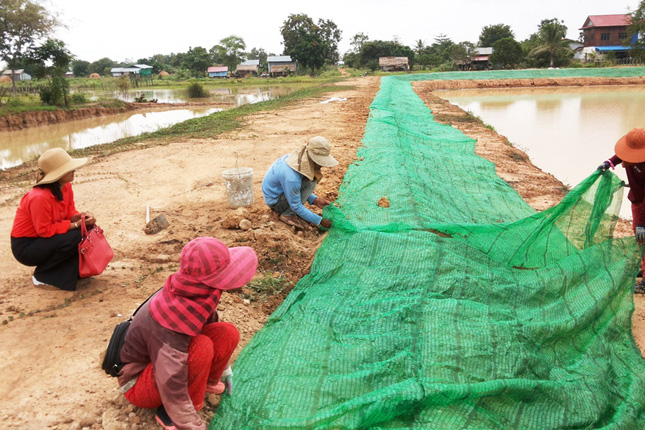
“Community mobilization, local capacity-building, and innovation are the cornerstones of successful development. And that for us includes resilience,” said Franklin Moore, Africare’s Chief of Programs, at a Wilson Center event on family planning and sustainable development. As rapid population growth intersects with challenges like food insecurity and water scarcity, communities in developing countries need not only the capacity to absorb short-term shocks, they also need transformative capacity to address long-term challenges.
-
Sustainable Water, Resilient Communities: The Challenge of Erratic Water
›From the Wilson Center // Water Security for a Resilient World // June 7, 2018 // By Rebecca Lorenzen
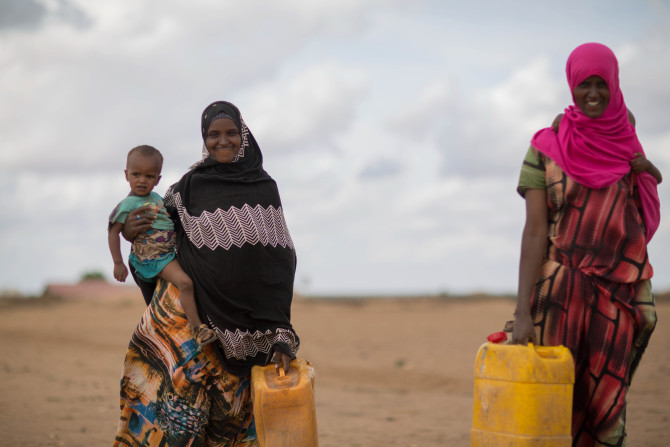
Water variability is increasing “due to climate change and to more frequent natural disasters,” said Jonathan Cook, Senior Climate Change Adaptation Specialist with the U.S. Agency for International Development, at the fourth and final event in a series on water security organized by the Wilson Center and the Sustainable Water Partnership. To solve the problem of increasingly erratic water, “business as usual is really not acceptable anymore,” said Will Sarni, founder of WetDATA.org, who called for new, innovative ideas: “Hope is not a strategy.”
-
Ten Years, Nine Floods: Local-Level Climate Adaptation in China
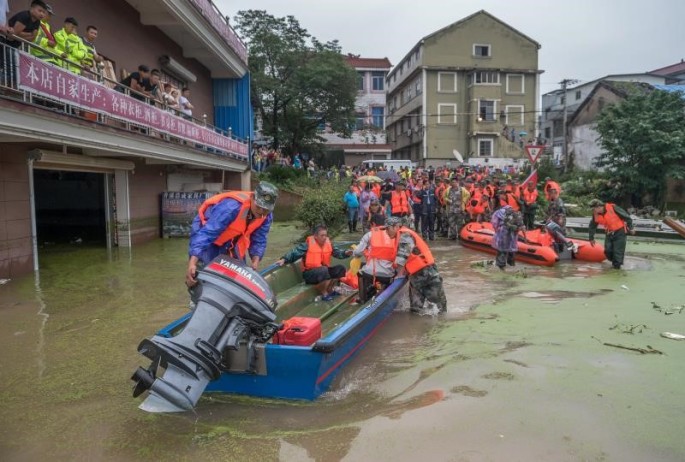
›The Lanjiang river in Eastern Zhejiang, China, reached its peak water level of 100 feet the night of June 25, 2017. Lanxi residents remember this day as “6.25,” marking the worst flood since 1955. Elsewhere in China that month, 7.3 million people were affected by floods, landslides, and heavy rains in northwestern Sichuan Province alone. Northern Guangxi suffered direct economic losses of 2.9 billion RMB (US$460 million). In the autonomous regions, 92,000 people were relocated. Flash floods caused the deaths of 10 people and forced 76,800 people to evacuate from Shanxi Province.
-
Bioshields: Old Tools for a New Climate
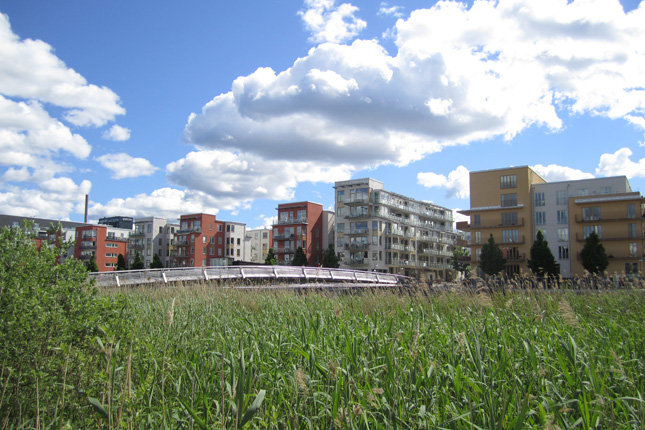
›Natural bioshields—wetlands, forests, and urban green spaces—are critical tools for reducing the impacts of disasters on vulnerable communities. Between 1994 and 2014, nearly 7,000 natural disasters occurred worldwide, causing an average of almost 68,000 deaths each year. Climate change, growing populations, and widening economic inequality are all expected to increase the impacts of disasters. Bioshields—nature’s own solutions to natural hazards—can help protect people from these dangerous floods, storms, and heat waves.
-
Urban Risk or Resilience? Opportunities for Improving Informal Settlements in Urban Africa
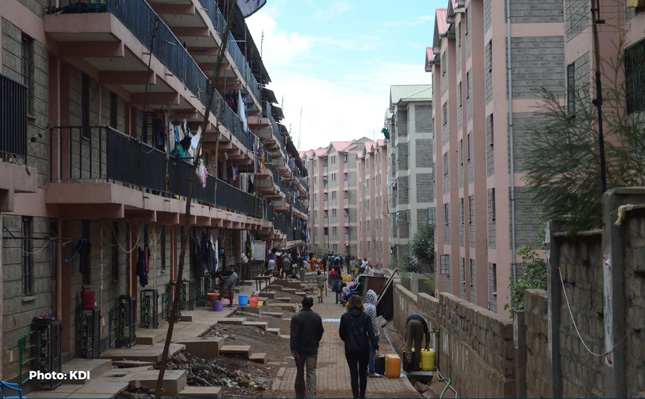
›“Most risk in African cities is not catastrophic. It’s not even episodic, but it is every day,” said Mark Pelling, a professor at King’s College, London, at a recent event on urban risk and resilience in sub-Saharan Africa. With rates of rural-to-urban migration reaching record highs, more than half of the urban residents in sub-Saharan Africa live in informal settlements, where they lack basic infrastructure and access to critical resources. Integrated projects like Pelling’s Urban ARK seek to build more resilient communities in cities and informal settlements. “African cities are dynamic and are growing,” said Pelling—but so is the vulnerability of their residents to environmental change, natural disasters, and conflict.
-
Sustainable Water, Resilient Communities: The Problem of Too Much Water
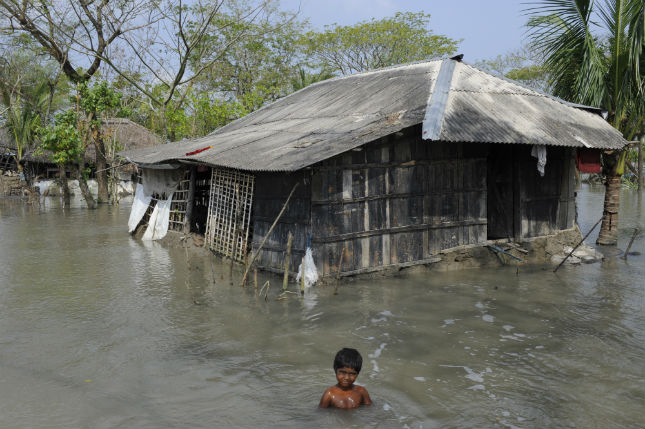
›From the Wilson Center // Water Security for a Resilient World // December 12, 2017 // By Julianne Liebenguth“Floods are one of many factors that keep massive amounts of the population in poverty and always on the brink of disaster,” said Eric Viala at the second event in a four-part series on water security organized by the Wilson Center in cooperation with the Sustainable Water Partnership, which Viala directs. Panelists at the event discussed the impact of intense flooding on vulnerable communities and proposed innovative and collaborative approaches to reducing their risks in the face of disasters.
-
The “Most Important Issue We Face”: New U.S. Global Strategy for Water Emphasizes Health and Security
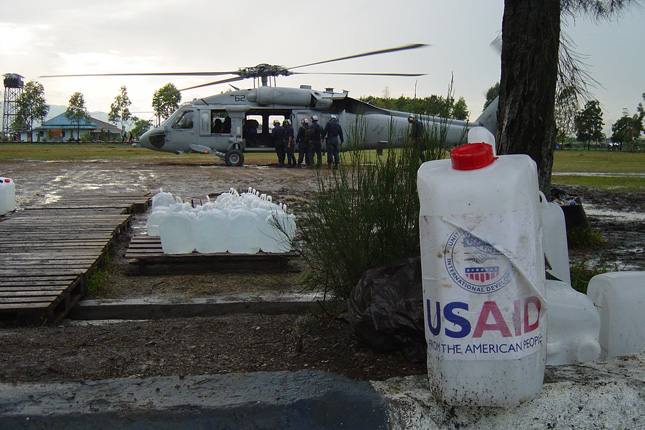
›“Water may be the most important issue we face for the next generation,” writes President Donald J. Trump on the first page of the first-ever U.S. Global Water Strategy. Prepared by the U.S. State Department and released in mid-November, the landmark report was required by Congress’ bipartisan Senator Paul Simon Water for the World Act of 2014. During the public comments phase, the New Security Beat published recommendations from its fellows and experts. Now that it is out, we’ve asked them to share their thoughts on the final report.
-
COP-23: Can More Transparency, New Technology Save Small Island States?
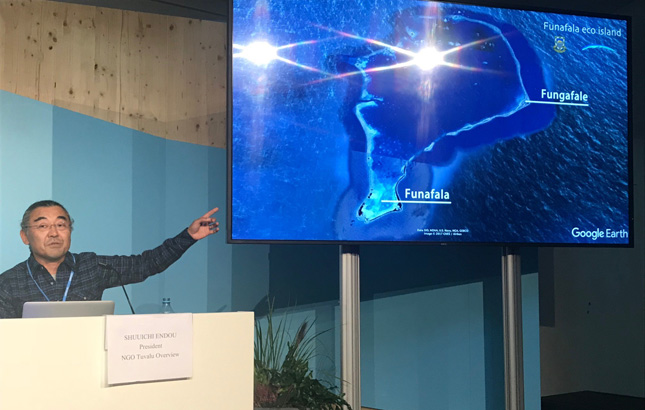
›As the Climate Conference of Parties (COP-23) wraps up in Bonn, Germany, the prime minister of the tiny Pacific island nation of Tuvalu, which is sinking a few millimeters every year, made an impassioned call for transparency in the Paris Agreement “rule book” and for ratcheting up worldwide ambitions to reduce climate change. While informal texts were drafted to guide implementation of the historic 2015 Paris Agreement, formal adoption of these rules will have to wait until COP-24, to be held in Poland next year.
Showing posts from category flooding.