-
Thought-leaders and Frontline Workers in Environmental Peacebuilding: An Oral History | Dr. Erika Weinthal
›Environmental Peacebuilding Oral History // New Security Broadcast // April 12, 2024 // By Wilson Center Staff
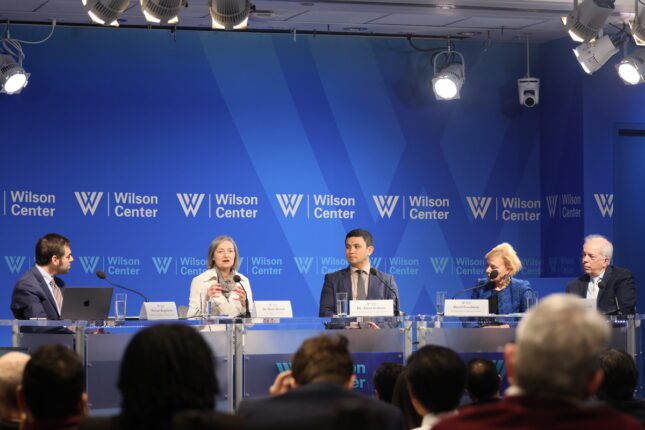
Today’s episode of New Security Broadcast is hosted by ECSP in collaboration with the Environmental Peacebuilding Association as part of a special series: “Thought-leaders and Frontline Workers in Environmental Peacebuilding: An Oral History.” The series features interviews with academics, practitioners, and frontline workers to trace the history and evolution of the field of environmental peacebuilding.
-
Water @ Wilson | MODSNOW: A New Tool for Water Security in Central and South Asia
›
Central and South Asia’s water resources are critical for the region’s water, energy, food and environmental security. Major rivers in the region originate from the Hindu-Kush-Himalaya, Pamir, and Tien Shan Mountain Ranges and flow across multiple countries. Unique geographical characteristics make water management a complex and challenging task that is further complicated by a changing climate and increasing demand affecting diminishing water resources.
-
ECSP Weekly Watch | March 11 – 15
›A window into what we are reading at the Wilson Center’s Environmental Change and Security Program
China is Leading the World on Renewable Energy (Yale 360)
In November, Chinese and U.S. climate envoys pledged to triple global renewable energy by 2030, signaling renewed cooperation between the top two greenhouse gas emitters. However, the two countries are not quite on equal footing when it comes to renewable energy.
-
ECSP Weekly Watch | February 5 – 9
›A window into what we are reading at the Wilson Center’s Environmental Change and Security Program
El Niño and Global Warming’s Shared Impact on Chile and California (New York Times)
Devastating wildfires have killed over 120 people in Chile, where a decade-long drought has created extreme fire weather conditions. While the country has experienced wildfires for years, a recent study found that unusually warm ocean temperatures created by El Niño have combined with climate-fueled droughts and heat waves to contribute to the wildfires now raging.
-
Weakened Infrastructure and Climate Change: The Threat to Water Security in Nineveh
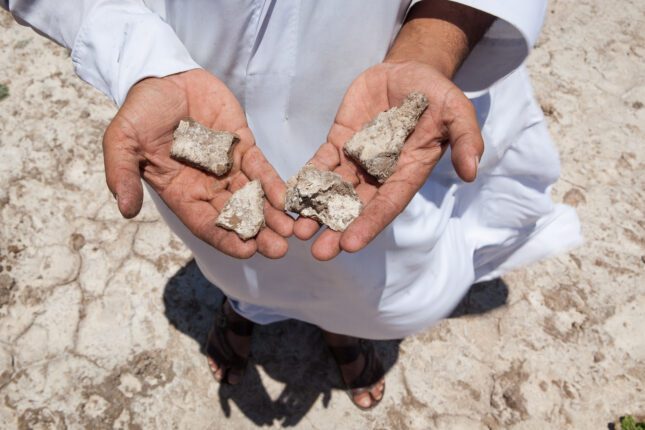
›Iraq is incredibly vulnerable to the impacts of climate change. Temperatures are increasing, rainfall is decreasing, and the country experiences prolonged periods of drought. These conditions, as well as the destruction of wells and irrigation systems in the Islamic State’s (IS) targeted 2014-2017 campaign to destroy agricultural livelihoods, have created a growing water problem in Iraq’s Nineveh Plains. Indeed, water levels there have dropped low enough to subject crops to drought stress, endangering drinking water systems and affecting the ability to grow crops and raise livestock.
-
Environment and Security | Q&A with Editor in Chief, Ashok Swain
›From Afghanistan, Nepal, and Libya to the Arctic, the new issue of Environment and Security takes a fresh look at emerging issues at the intersection of environment and security. Ashok Swain, Editor in Chief of Environment and Security, spotlights some of the new research and insights in this Q&A with ECSP staff.
Q: The new issue of Environment and Security features an article on Arctic governance, including a close examination of the International Code for Ships Operating in Polar Waters (Polar Code). How do the authors assess this regulatory instrument as it enters its 10th year since adoption?
-
Before the Flood: Lessons from Attempts to Predict Displacement
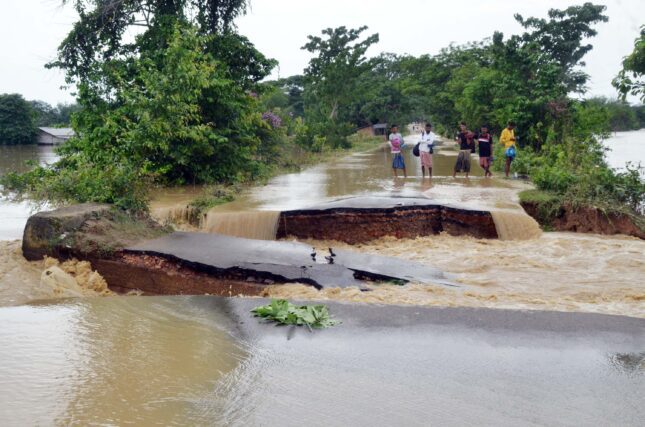
›Severe flooding is a major cause of human displacement. According to the latest annual report by the International Displacement Monitoring Centre, around 61 million people were forced to move within their country of residence during 2022 due to conflict or disasters. More than one quarter of these—19.2 million people—were displaced by floods.
-
Unpacking the Impact of the Fifth National Climate Assessment
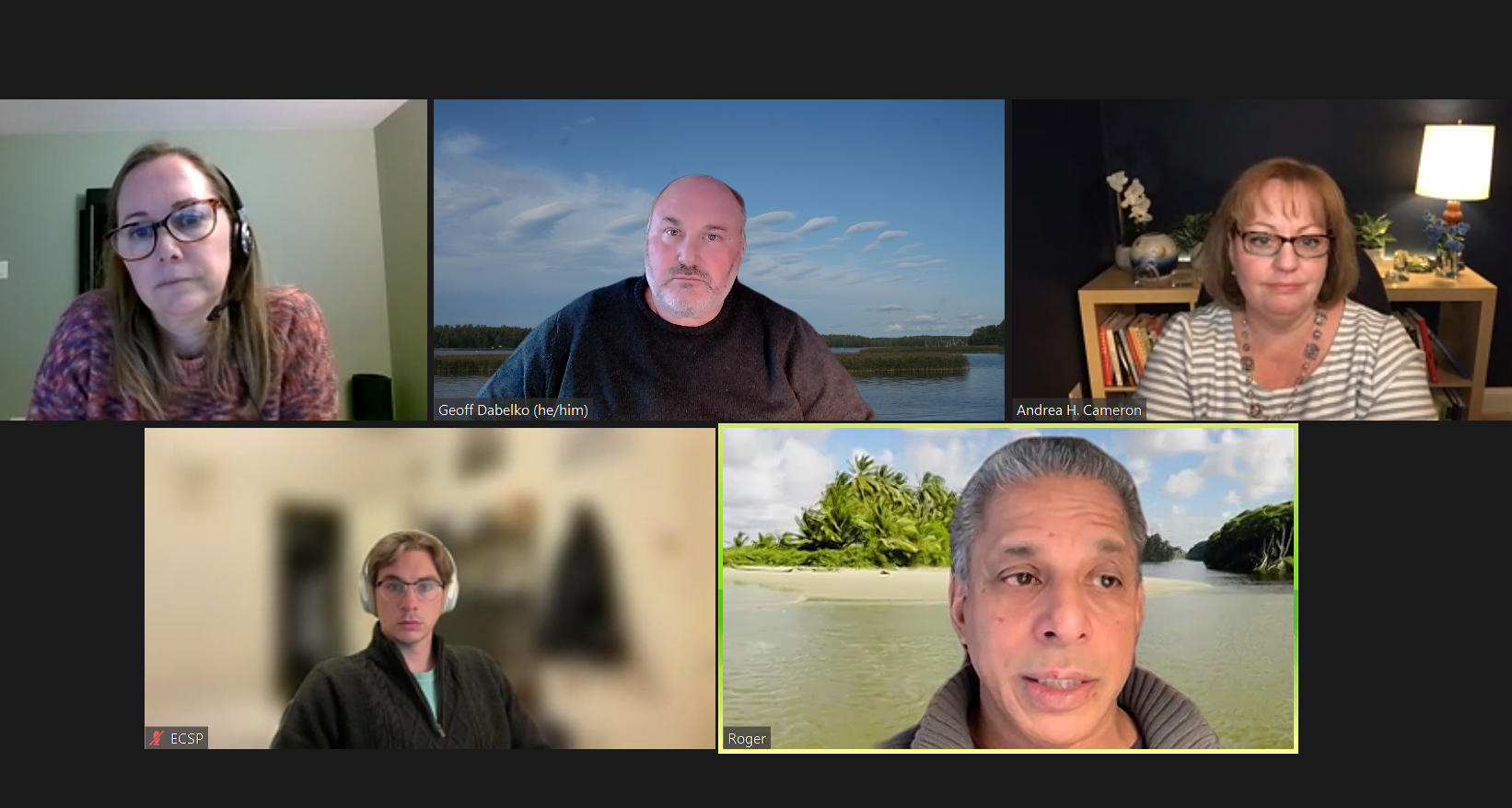
›In today’s episode of New Security Broadcast, ECSP Director Lauren Risi hosts three contributing authors of the international chapter of the recently released fifth National Climate Assessment. Dr. Roger Pulwarty is a Senior Scientist with the Physical Sciences Laboratory at NOAA; Dr. Andrea Cameron is a permanent military professor teaching policy analysis at the US Naval War College; and Dr. Geoff Dabelko is a Professor and Associate Dean with the Voinovich School of Leadership and Public Affairs at Ohio University and a senior advisor to ECSP. In the conversation, the authors discuss the implications of climate change for national and international security, and they delve into the international chapter and its significance for policymakers in the US and abroad.
Showing posts from category flooding.