-
Justice and Contemporary Climate Relocation: An Addendum to Words of Caution on “Climate Refugees”
›
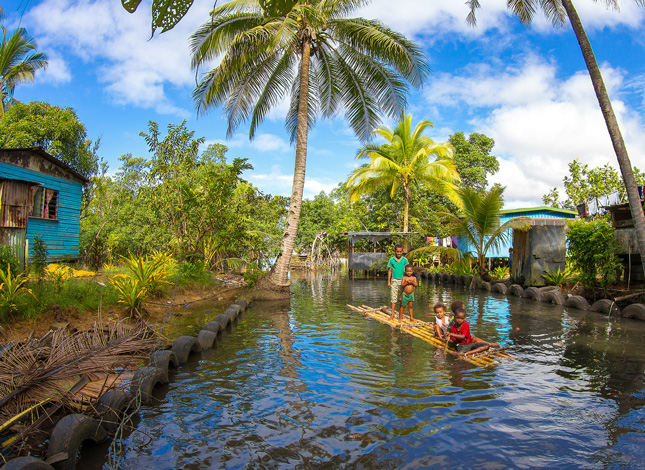
The idea that climate change is causing migration and displacement is entering the mainstream, but experts have warned against using the term “climate refugees” to describe what we’re seeing in small islands, coastal regions, and even conflict zones like Syria.
-
Finding Resilience in the Aftermath of Cyclone Roanu in Bangladesh
›
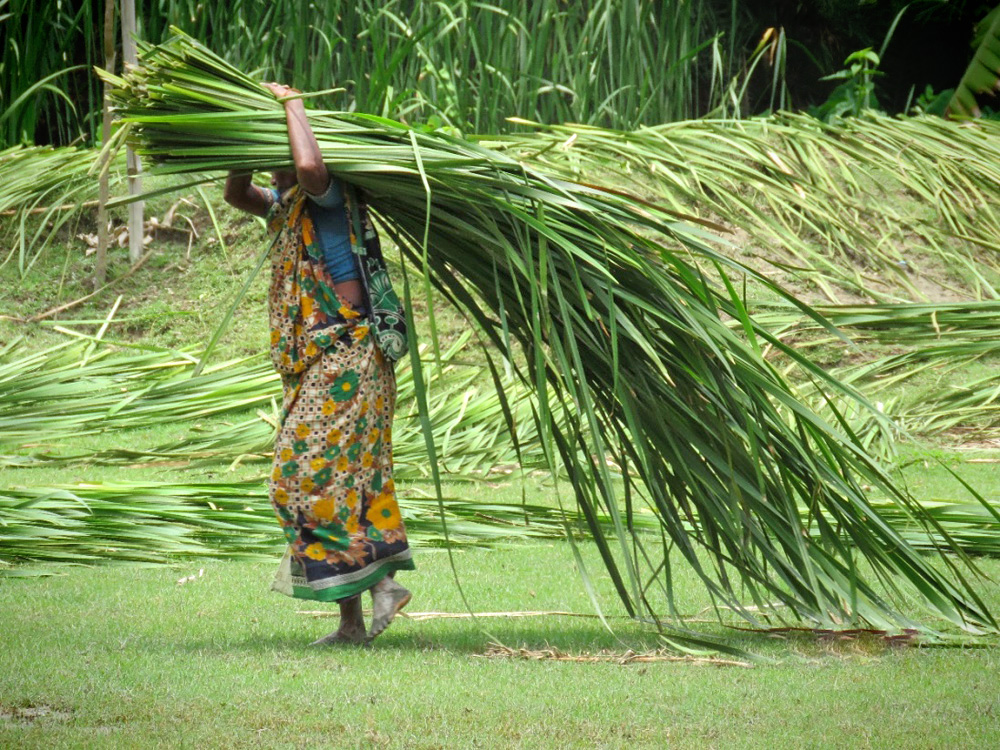
In 1970, Cyclone Bhola slammed into East Pakistan – present day Bangladesh – with sustained winds of 150 miles per hour, killing as many as half a million people. In 2007, Cyclone Sidr killed 3,406 people in Bangladesh. This year, Cyclone Roanu killed just 30. What’s behind this huge decline in mortality? What has Bangladesh done differently?
-
Military Leaders Urge South Asian Countries to Put Aside Animosities in Face of Common Climate Threat
›July 6, 2016 // By Sreya PanugantiDespite a long history of confrontation and simmering tensions, three senior retired military leaders from Pakistan, Bangladesh, and India urge the nations of South Asia to unite around a common rising threat in a new report.
-
Four Cattle and a Farm: On Finding More Inclusive Solutions to Climate Change
›As early as 1911, coal miners in Britain carried caged canaries into mining pits. Any sign of distress from the small birds, which are incredibly sensitive to the presence of harmful gases such as carbon monoxide, meant immediate evacuation. Today’s canaries in the coal mine are low-income, minority communities whose exposure to environmental risks in the United States and elsewhere puts them at the frontlines of the global climate crisis.
-
Singapore and the Climate Dilemma: There’s No Way to Go it Alone
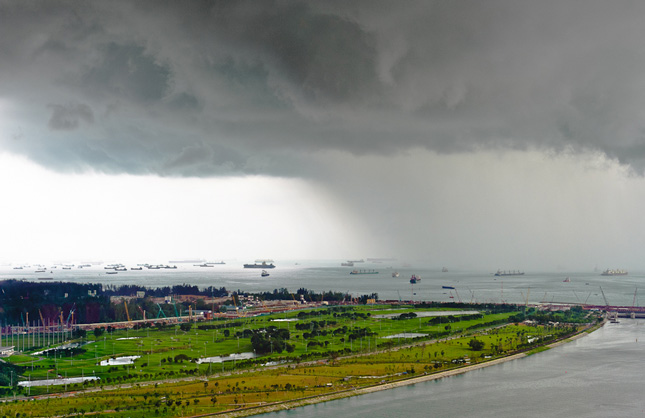
›Anyone visiting Singapore, as I did recently, quickly realizes it is exceptional. A tiny, rich, stable city-state of nearly 6 million people perched uneasily in a region of sprawling mega-countries full of poverty and instability, it also a thriving free market trading and financial center that is meticulously planned and where 80 percent of people live in public housing.
-
El Niño Affects Food for 80 Million, “Paradigm Shift” Needed in Disaster Risk Assessment
›A report by the European Union on global food security finds 240 million people are in food stress thanks to conflict, refugee situations, flooding, drought, and El Niño. Part of a 2012 commitment by the EU to better target the root causes of food insecurity, the report analyzes the hunger situation in 70 countries and provides deeper analysis for 20. -
Corruption, Climate Change, and Vulnerability in Small-Island States
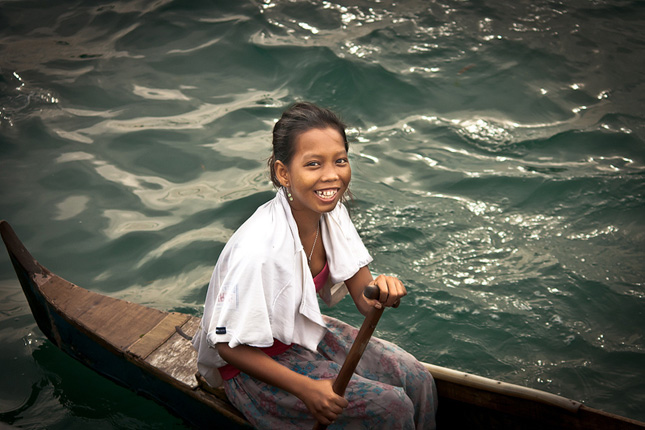
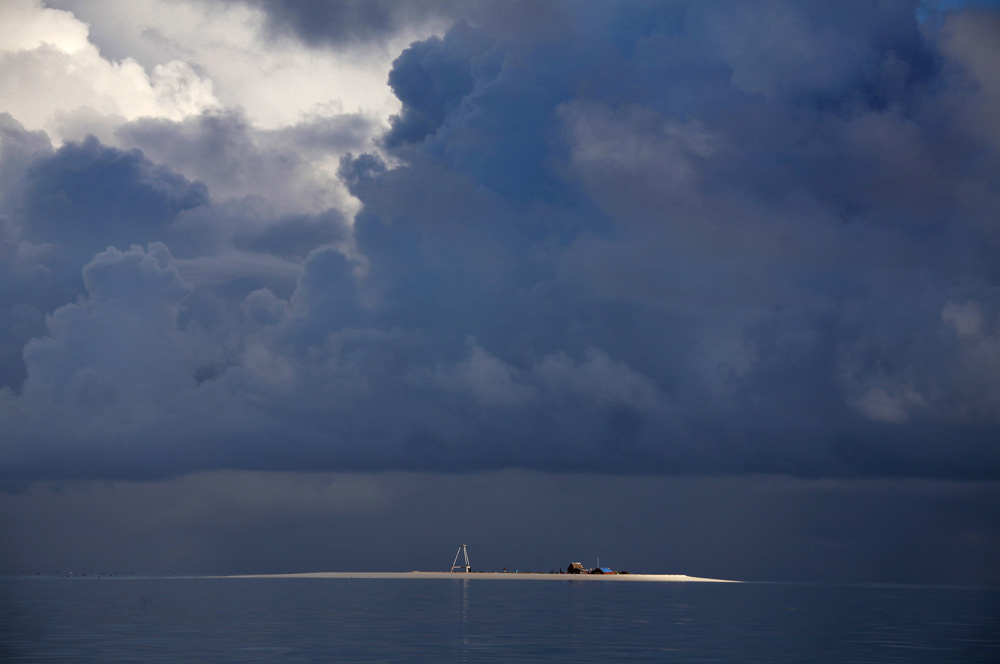
›As international funding to support environmental management and development increases, the danger of associated corruption grows and requires greater attention. Small-island developing states (SIDS), greatly exposed to the damage caused by climate change, are particularly vulnerable. These small, trailblazing countries in the Pacific, Caribbean, and Indian Ocean are making progress in addressing climate threats, but will need international support and local commitment regarding rule of law and corruption in the climate sector as they try to prevent the worst effects of climate change and find a sustainable way to develop.
-
Russell Sticklor, Global Waters
How One Philippine City Is Preparing for a Water-Scarce Future
›May 10, 2016 // By Wilson Center StaffSurrounded by water, the Philippines is especially vulnerable to climate change. Its islands and its people are enduring increasingly unpredictable rains, intensifying cycles of flood and drought, and strengthening storms forming in the Pacific. These changing weather patterns have not only derailed livelihoods and agricultural productivity in rural areas, they have also worsened water insecurity in cities, where 45 percent of the population live.
Showing posts from category flooding.