-
BALANCED Project Final Survey Results in Tanzania and Philippines
›The BALANCED Project just completed a five year run of supporting population, health, and environment (PHE) projects in South Asia and East Africa, and recent survey results indicate that the project has helped to increase access to family planning and cultivate more environmental awareness in several ecologically vulnerable areas.
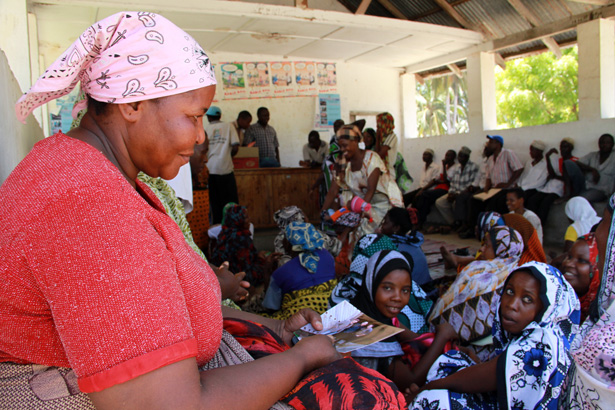
 The BALANCED initiative in Tanzania’s Saadani National Park, “the only terrestrial park in the country with a contiguous marine area,” released the results of a 2012 progress survey on its efforts to create community champions for sustainable natural resource management and family planning awareness. Compared to the last survey in 2009, they found increased family planning awareness, higher contraceptive distribution and usage, and improved discussion and acceptance of contraceptive use from male partners. BALANCED-trained community-based distributors provided contraception to “31 percent of all pill users and 21 percent of all condom users.” Survey results also show a greater community awareness of the impact of individual and collective actions on the surrounding biosphere. The report calls for the continued training of community-based distributors and PHE “champions,” along with outreach to the private sector in order to ensure training and distribution can continue without the permanent presence of the BALANCED Project.
 -
From Octopus Conservation to Disaster Relief: Vik Mohan on PHE in Madagascar
›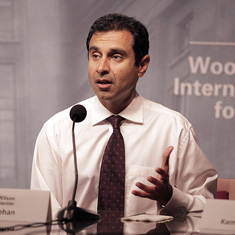
When Tropical Cyclone Haruna struck in February 2013, leaving thousands without shelter and tens of thousands without water, it was a test for Blue Ventures’ integrated approach to development in southwest Madagascar. According to Dr. Vik Mohan, they passed.
“By the time the first aid organization arrived just to collect information, we had distributed to 17 villages already,” Mohan says in this week’s podcast. “We were the mouthpiece of the community, and because of our infrastructure on the ground, because of our good relationships with the community, we were able to procure and disseminate supplies that the community needed.”
-
Five Years of Population, Health, and Environment Programs: What Works and What’s Next?
›More than 20 percent of the world’s population live in ecological hotspots, places rich in biodiversity but often lacking basic government services. Population, health, and environment – or PHE – programs address compounding stresses in these areas by helping to meet people’s needs for basic health services, including reproductive health care; promoting food security and poverty reduction; and teaching sustainable natural resource management. [Video Below]
-
Religion and Reproductive Rights: Looking For Common Ground
›More than 84 percent of the 2010 world population – 5.8 billion people – consider themselves religiously affiliated, according to a recent study. Religious leaders can therefore have significant influence across a broad range of social, economic, and political issues. Perhaps nowhere is that influence felt more strongly than in debates about reproductive health and rights, and perhaps nowhere are the consequences so large than in poor and marginalized communities.
-
Sarah Crowe, UNICEF
Ethiopia Set to Achieve Millennium Development Goals in Child Mortality
›For a country that once made headlines for famine, poverty, and war, Ethiopia is gaining a reputation as a development leader on the African continent. In just over 10 years, the country has slashed child mortality rates by half, rising in global rank from 146 in 2000 to 68 in 2012. More money is being spent on health care, poverty levels and fertility rates are down, and twice as many children are in school.
-
Prospects for Gender Parity in UN Peacekeeping Forces, Evaluating Girls’ Empowerment Efforts
›The Population Council’s annual report highlights new work from one of the largest organizations doing research on the lives of adolescent girls in the developing world. Of particular note is the Council’s Adolescent Girls Empowerment Program, a four-year study launched in May which will involve 42,000 girls in seven countries – Bangladesh, Burkina Faso, Ethiopia, Guatemala, India, Tanzania, and Zambia. The aim is to evaluate successful strategies for helping girls avoid child marriage, sexually transmitted infections, and unintended pregnancies at a critical juncture in their lives. Council President Peter Donaldson writes that young girls are “one of the potentially most influential figures in the developing world.” A typical 12-year-old girl “in the next few years…will either abandon or continue her schooling, be pushed into marriage and childbearing, or develop a sense of proud ownership of her physical self… As her future is reconfigured, so is ours.”
-
A Season for Motherhood: The Role of Family Planning in Improving Maternal Health
›Ensuring access to family planning is not only a matter of human rights, but can also play a key role in protecting the health of mothers and children. Maternal health experts and program directors met at the Wilson Center on July 31 to discuss the role family planning takes in women’s health in developing countries, what successes family planning programs worldwide have had so far, and what can be done to expand services. Sarah Craven, chief of the UN Population Fund’s Washington office, moderated the event.
-
Coastal Resource Management, Family Planning Integration Build Resilience in Madagascar and The Gambia
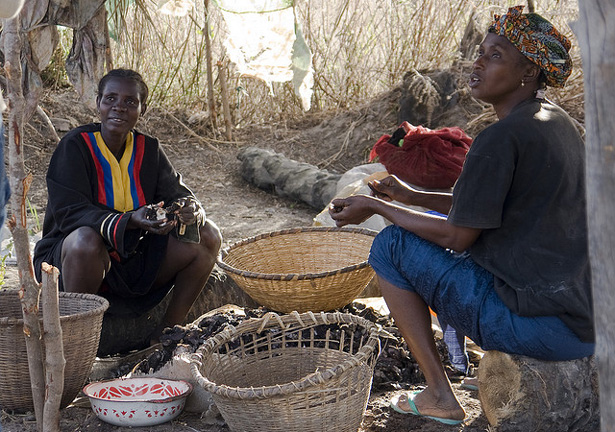
›Growing awareness of the connected challenges of natural resource management, economic growth, and human health has encouraged more integrated models of international development. The experience of two organizations – TRY Oyster Women’s Association, based in The Gambia, and Blue Ventures, based in Madagascar – demonstrates the success of a community-based approach to building resilience, enabling communities to bounce back from adversity and establish a long-term basis for development. [Video Below]
Showing posts from category family planning.