-
Beginning With the End in Mind: Midterm Results From an Integrated Development Project in Lake Victoria Basin
›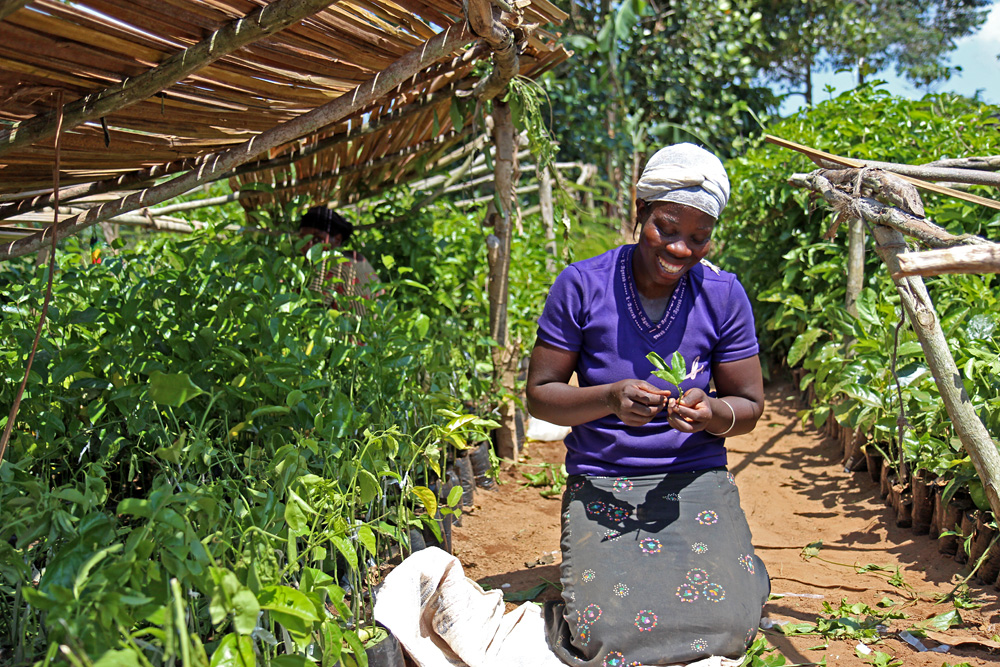
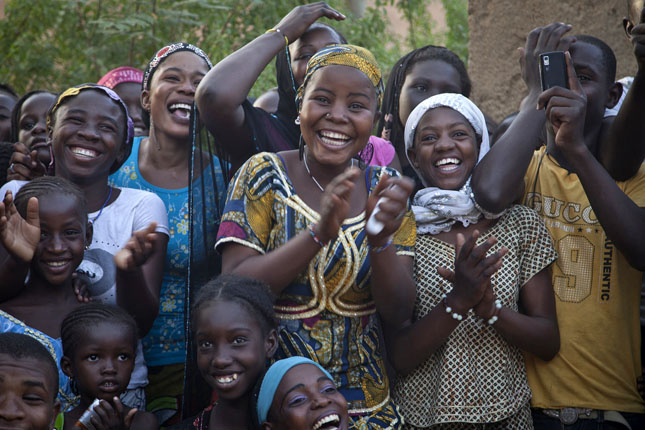
More than 80 percent of the estimated 42 million people living in Central Africa’s Lake Victoria Basin depend on fishing or farming for survival. Given this overwhelming reliance on natural resources, the lake’s deteriorating condition – driven by climate change, agriculture, pollution, deforestation, overfishing, and industrialization – has far-reaching implications.
-
Angola’s Oil-Soaked Kleptocracy Is an Empire Built on Inequality
›August 26, 2015 // By Josh Feng
Isabel dos Santos, the daughter of Angolan President José Eduardo dos Santos and the richest woman in Africa, owes her wealth to the oil industry. Delfina Fernandes, a woman living in abject poverty in the village of Kibanga, uses gasoline as an anesthetic to dull the sheering pain of her rotting teeth.
-
The Road Ahead for Young People and Family Planning
›Yesterday was International Youth Day, and governments, donors, and public health professionals are paying more attention to the unique needs of the world’s young people and the importance of their civic engagement and participation. Unfortunately, most young people do not have access to basic sexual and reproductive health care and information. This not only undermines their health and wellbeing, but significantly affects their abilities to stay in school and participate in their communities.
-
Engaging Decision-makers on Family Planning: Some Right IDEAs
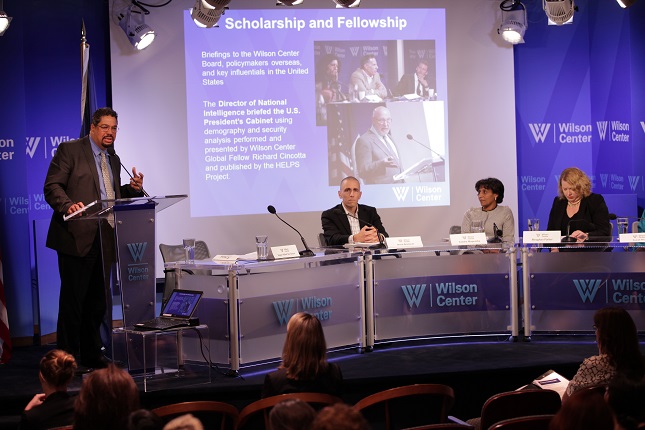
›Just a few years ago, progress on global family planning and reproductive health policy seemed to be stuck in a rut. “For 20 years, development money for health had been directed to fight HIV and poverty, and as a result, momentum, interest, and funding for family planning had dwindled,” said Susan Rich, vice president of global partnerships for the Population Reference Bureau (PRB), at the Wilson Center on July 15. “Unmet need for family planning was high all over the world, but especially in Africa.” [Video Below]
-
The SDGs Are All About Integration – Good Thing PHE Programs Have Been Doing That for Years
›Last week, the United Nations concluded one of the last negotiations on the road to adopting the Sustainable Development Goals in September. We’ve entered the home stretch of a process that has taken more than two years, bringing governments, civil society organizations, and communities together to define the development goals and targets that UN member states will be expected to aim for over the next 15 years.
-
Running Faster to Stand Still: New UN Population Projections Point to Challenges Ahead for SDGs
›July 29, 2015 // By Schuyler NullIn most parts of the world, population growth is stagnant, even declining slightly, part of a decades-long and nearly universal shift towards smaller, healthier families. But the places where growth is still rapid continue to defy expectations about when they will “catch up.”
-
How Successful Were the Millennium Development Goals? A Final Report
›July 28, 2015 // By Josh FengEarlier this month, the United Nations released a final report on the Millennium Development Goals (MDGs), the framework that has guided global development efforts for the last 15 years. The document examines each of the eight MDGs and finds that “despite many successes, the poorest and most vulnerable people are being left behind.” As one of the first global poverty reduction movements nears its end, the report calls for better data collection practices to create a post-2015 development agenda that can overcome the MDG’s shortcomings.
-
As African Cities Grow, Rural-Urban Divides Widen Too
›In 2007, the world crossed a threshold: for the first time in human history, the majority of people lived in urban areas. Today, Africa and Asia are the only remaining continents where the rural population outnumbers urban, but they are urbanizing at unprecedented rates. This rapid growth is a double-edged sword. While urbanization spurs economic opportunity and often increases access to infrastructure, it is also widening disparities in health and development, according to a new data sheet by the Population Reference Bureau.
Showing posts from category family planning.