

-
COVID-19 Causes Dire Disruptions in Maternal, Child, and Reproductive Health Services
›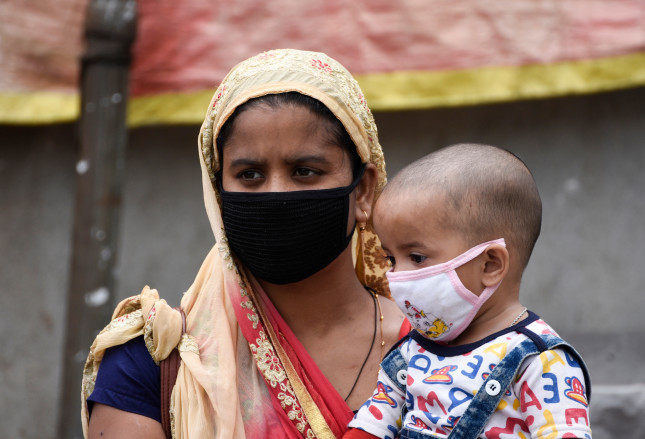
“The pandemic has undoubtedly resulted in more deaths and more illness – particularly for the most vulnerable women and children,” write the authors of a new United Nations International Children’s Emergency Fund (UNICEF) report examining the direct and indirect effects of the COVID-19 pandemic in South Asia. The report found that the disruptions in several essential health services due to the COVID-19 pandemic had a “substantial impact” on maternal and child mortality in the region.
-
Ensuring Essential Health Care for Mothers and Newborns During the Pandemic
›Africa in Transition // Covid-19 // Dot-Mom // Guest Contributor // March 24, 2021 // By Koki Agarwal
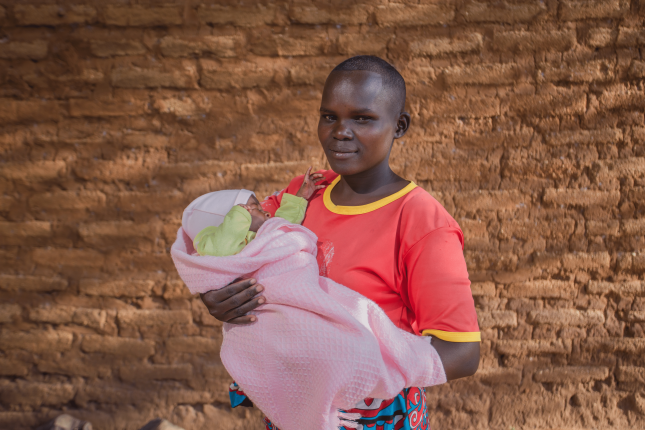
Joyce Makasi, a young woman in Kambiti village, Kitui County, Kenya, went into labor with her second child one afternoon in December 2020. She had just enough money to hire a motorbike to take her to nearby Waita health center. At the facility, the clinical officer and nurse told her she would need a cesarean delivery. It wouldn’t be her first cesarean, but COVID-19 presented new obstacles.
-
Overlapping Crises: Gender-Based Violence, Maternal Mental Health, and COVID-19
›According to the World Health Organization, 1 in 3 women in the world will experience physical or sexual violence during their lifetime. Intimate partner violence is the most common form of violence, impacting an estimated 641 million women worldwide. Lockdowns and disruptions in access to support services due to the COVID-19 pandemic have exacerbated the prevalence of gender-based violence (GBV).
-
Turning Applause into Action: Investing in Women Leaders in Nursing and Midwifery
›“Midwives and nurses contribute to the health of women, families, communities, and society at large, but the impact of their care goes much further… Their care is transformational,” said Diene Keita, Deputy Executive Director for Programmes at UNFPA. She spoke at a recent event hosted by Women in Global Health, which virtually convened nurses and midwives from around the world to celebrate 100 outstanding women nurse and midwife leaders from over 50 countries. The event occurred in honor of the Year of the Nurse and the Midwife, as designated by the World Health Organization (WHO). The list of 100 leaders is the first global recognition of its kind and commemorates women’s unique stories of resilience, leadership, and hard work.
-
Native American Midwives Help Navajo Families Thrive
›When Navajo Midwife Nicolle Gonzales talks with Native American women about birth, there’s a sense something is missing, she said in this week’s Friday Podcast. “But,” she said, “we don’t know what it is.” Gonzales grew up and remains on a Navajo Reservation in New Mexico. She became a midwife and founded the Changing Woman Initiative (CWI) to address unmet maternal health care needs in her community. She is of the Tl’aashchi’I, Red Bottom clan, born for Tachii’nii, Red Running into the Water clan, Hashk’aa hadzohi, Yucca fruit-strung-out-in-a line clan, and Naasht’ezhi dine’e, Zuni clan. -
Early Interventions in Men’s and Boys’ Health and Well-Being Have Lifelong Effects
›“How do we incorporate more men into the work that we’re doing?” said Dominick Shattuck, Director of Monitoring, Evaluation, and Learning for Breakthrough ACTION at Johns Hopkins Center for Communication Programs (CCP), at a recent event hosted by the MenEngage Alliance. The event focused on interventions to meaningfully engage men and boys in health programming, and how “life course theory” can help determine the best timing for male engagement.
-
In Humanitarian Settings, Addressing Gender-Based Violence is Paramount
›“One hundred thirty-seven women are killed by a family member every day,” said Beth Schlachter, Executive Director of Family Planning 2020. “That’s a staggering statistic.” She spoke at a recent Wilson Center event about gender-based violence (GBV) in conflict and humanitarian settings in partnership with CARE, the International Rescue Committee (IRC), Save the Children, and the Women’s Refugee Commission. The event was a part of a Wilson Center series recognizing the United Nation’s “16 Days of Activism Against Gender-Based Violence” and commemorated our friend and colleague, Jennifer Schlecht.
-
Midwife-Delivered Interventions Could Provide Dramatic Benefits
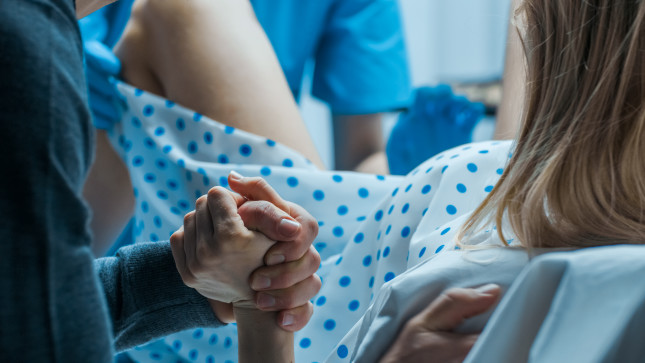
›In a year that has presented enormous challenges, it is even more gratifying to present evidence that strengthens the importance of midwives as providers of essential sexual and reproductive health (SRH) services and the impact they can have on maternal and neonatal mortality and stillbirths, said Anneka Knutsson, Chief of the SRH Branch at the United Nations Population Fund (UNFPA) at a recent Wilson Center event, in partnership with UNFPA and Johnson & Johnson, to launch the Impact of Midwives study conducted by UNFPA, the International Confederation of Midwives (ICM), and the World Health Organization (WHO) and published in The Lancet Global Health.
Showing posts from category family planning.

 When Navajo Midwife Nicolle Gonzales talks with Native American women about birth, there’s a sense something is missing, she said in this week’s Friday Podcast. “But,” she said, “we don’t know what it is.” Gonzales grew up and remains on a Navajo Reservation in New Mexico. She became a midwife and founded the
 In a year that has presented enormous challenges, it is even more gratifying to present evidence that strengthens the importance of midwives as providers of essential sexual and reproductive health (SRH) services and the impact they can have on maternal and neonatal mortality and stillbirths, said Anneka Knutsson, Chief of the SRH Branch at the United Nations Population Fund (UNFPA) at a recent Wilson Center event, in partnership with UNFPA and Johnson & Johnson, to launch the

