-
The Arc | Gender, Agriculture, and Climate Change with Dr. Maureen Miruka
›
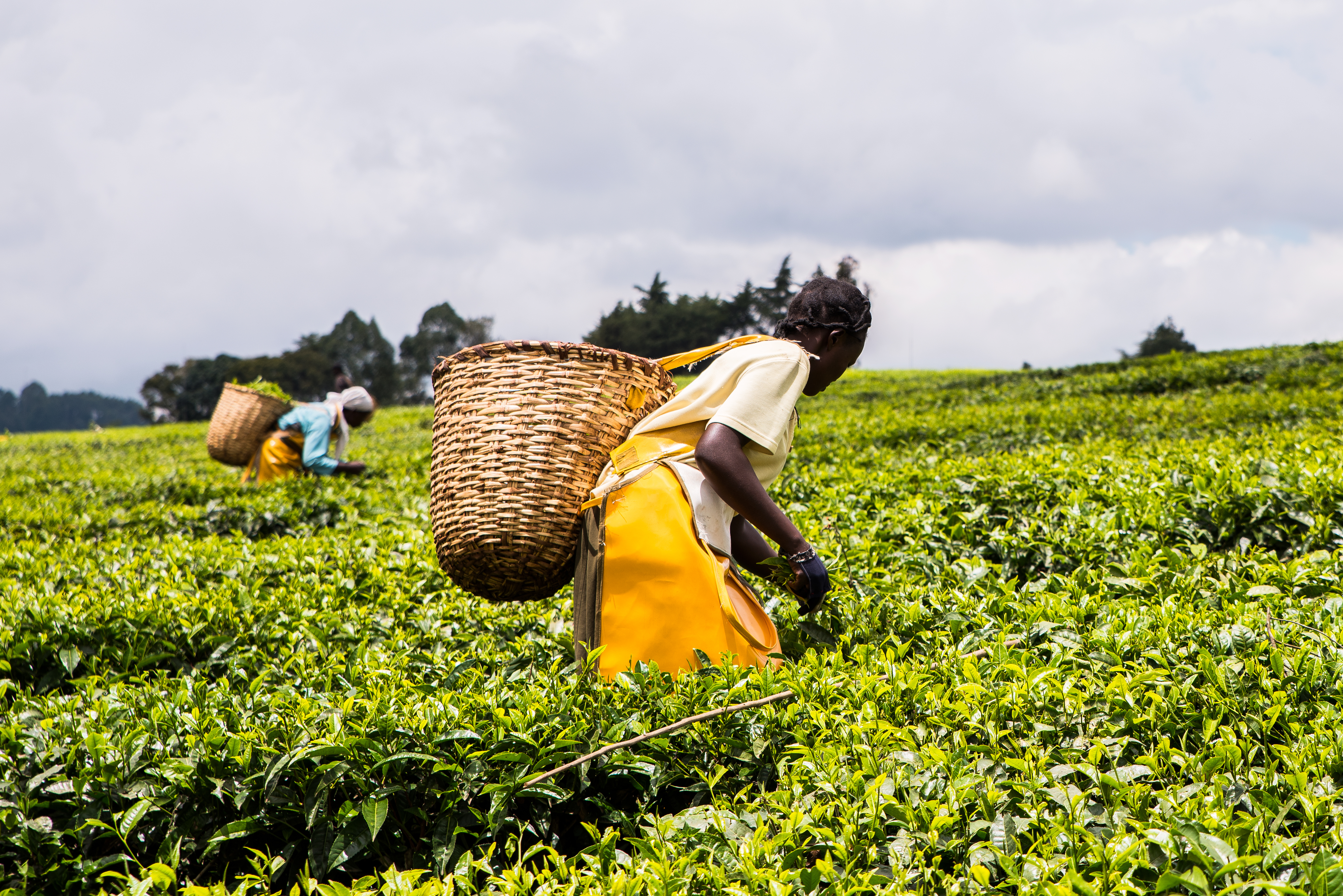
In the first episode of The Arc, ECSP’s Claire Doyle and Angus Soderberg speak with Dr. Maureen Miruka about the complex relationship between gender, climate, and agriculture. Dr. Miruka, who is Director of Strategic Partnerships and Research at CARE USA, emphasizes the disproportionate impact of climate stressors on women and vulnerable populations through the lens of food systems. She also underscores the pivotal role women play as change agents in global climate mitigation and adaptation, and makes a call to broaden the scope of research in this space to include other gender minorities.
-
The Next Feminist Wave: Heat
›
The summer of 2023 featured some of the hottest days ever recorded. Feminists should be alarmed.
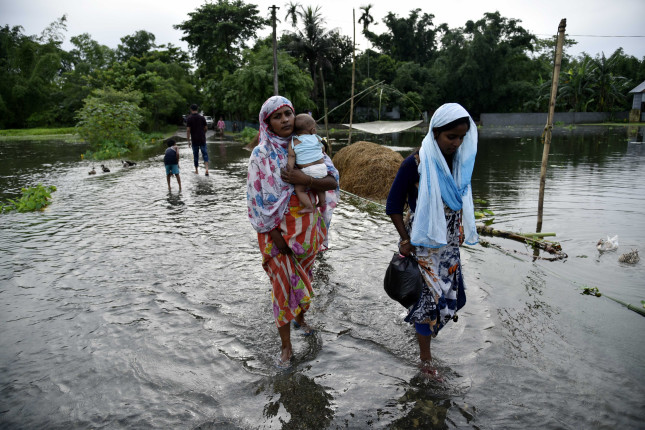
Climate change may not seem like a feminist issue on its face. A warming planet poses a cross-cutting and common threat. But the perception that climate impacts result in uniform harm produces partial solutions that neglect the world’s most vulnerable populations. This alone makes environmental justice a gender justice issue as well.
-
Introducing “The Arc”
› On today’s episode of New Security Broadcast, ECSP is launching a new series called The Arc, focused on the connections between climate change, equity, justice, and identity. We will cover a wide range of topics – from food and water systems to the energy transition, migration, and climate finance – and talk with practitioners, advocates, professors, and community leaders to discover where these topics intersect with issues related to climate impacts and justice.
-
ECSP Weekly Watch | October 23 – 27
›A window into what we are reading at the Wilson Center’s Environmental Change and Security Program
DRC Mining Project Displaces a Local Community
Kolwezi is the “cobalt capital of the world.” But residents of this city in the Democratic Republic of Congo are being compelled to relocate under questionable circumstances in order to make room for a new mine sponsored by the Chinese mining company COMMUS.
-
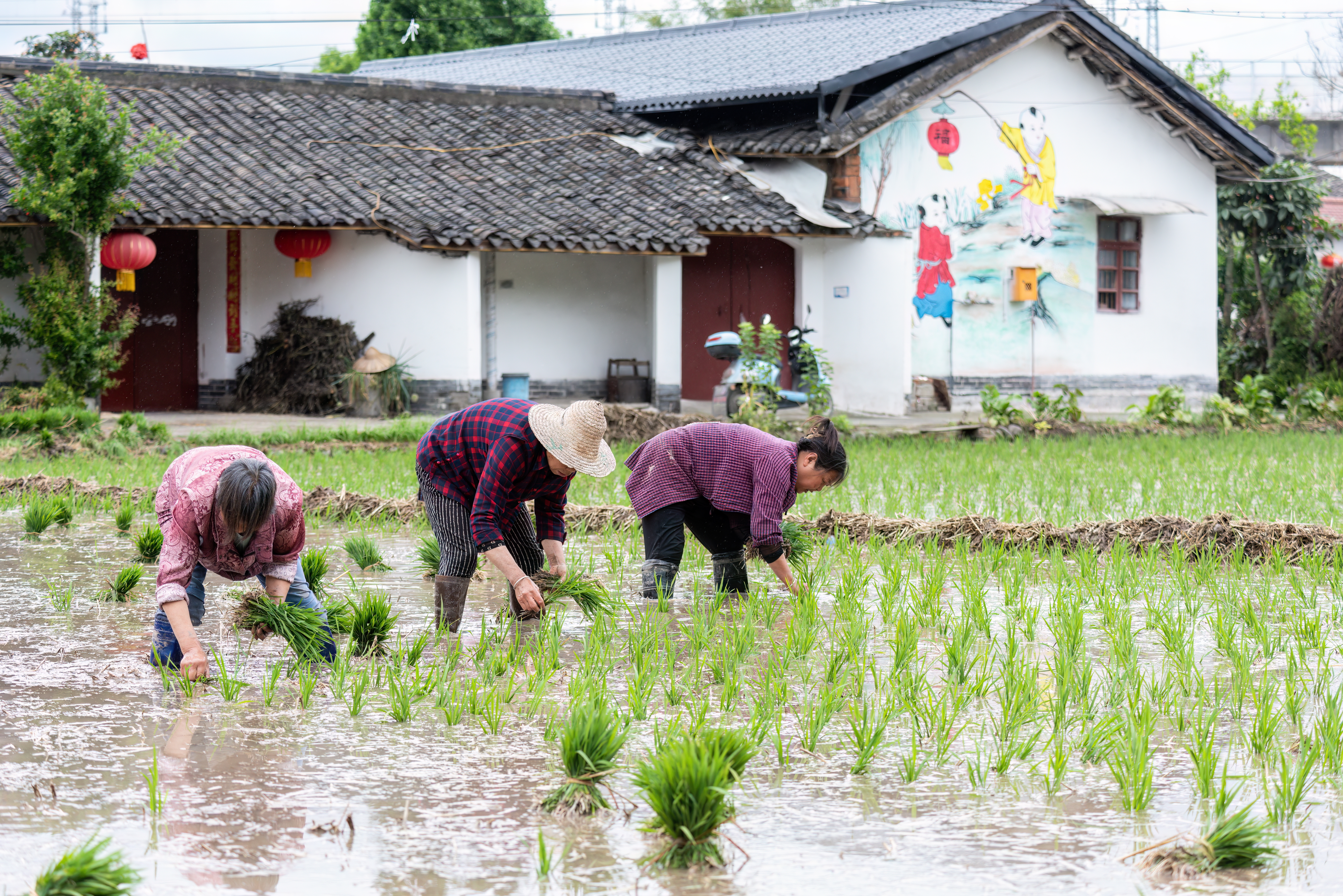
All You Can Eat: Unlocking Greenhouse Gas Mitigation Potential in China’s Agri-food System
›China Environment Forum // Cool Agriculture // Guest Contributor // October 26, 2023 // By Meian Chen & Diego MonteroChina’s power sector makes up the lion’s share of the country’s greenhouse gas emissions, but rising methane emissions from rice farming and livestock, nitrous oxide emissions from fertilizers, and CO2 from food transport could all hinder China’s progress toward its 2060 carbon neutrality goal. Chinese policymakers could rein in agri-food emissions by modifying existing climate plans and policies. Climate-smart agriculture is not only a mitigation strategy, but also an adaptation strategy to intensifying extreme weather events like heatwaves and typhoons. -
New Global Health & Gender Policy Brief: Climate Change and Maternal and Newborn Health Outcomes
›The growing climate crisis presents one of the largest public health threats of the century. However, its countless impacts on maternal and newborn health outcomes (as well as health disparities worldwide) have only recently gained global attention.
-
ECSP Weekly Watch | October 9 – 13
›A window into what we are reading at the Wilson Center’s Environmental Change and Security Program
Organizing Regional Action on Climate Change, Health, and Environment
As the 2030 deadline for the Sustainable Development Goals looms, the World Health Organization has proposed a new regional framework that aims to build climate-resilient and sustainable health systems, improve the health sector’s access to climate funding, and build an evidence base for policymaking.
-
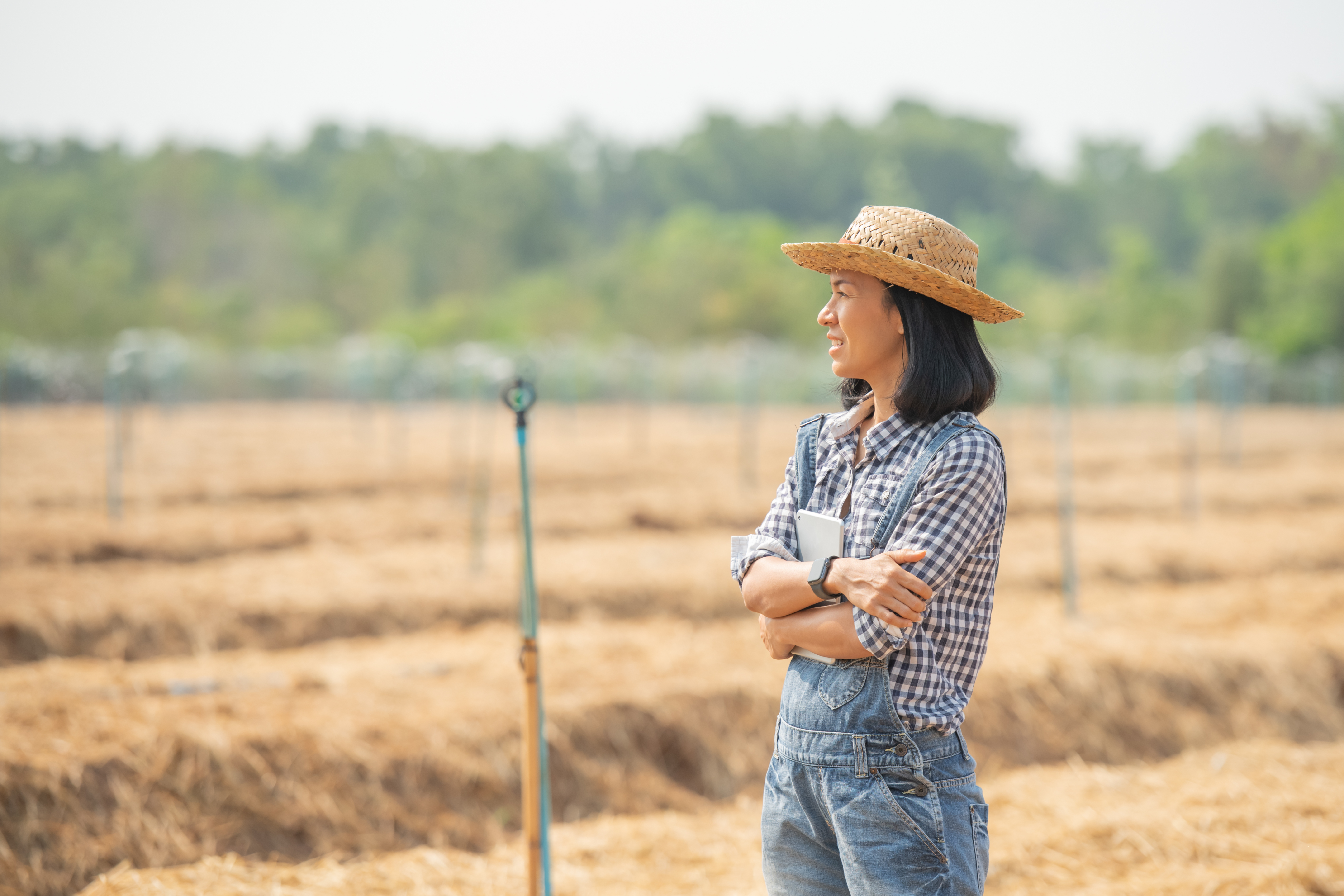
US and Chinese Farmers Adapting to a New Climate
›China Environment Forum // Cool Agriculture // Guest Contributor // October 12, 2023 // By Abigail OrdillasExtreme heat from climate change threatens food security in the world’s two food-producing superpowers. Climate adaptation for agriculture is a must. The US and China have much to share on climate-smart farming practices to help us both weather the storms and droughts. 2023 brought scorching heat waves that baked crops and livestock in China and the United States. In China, farm animals and fish died from extreme heat in June with some provinces enduring weeks of temperatures above 40°C (104°F). In one farm, a heatwave-triggered power outage resulted in hundreds of pigs suffocating to death after shed fans stopped working.
Showing posts from category extreme weather.