-
Intersecting Challenges Require Multisectoral Solutions: A Conversation with Charles Kabiswa
›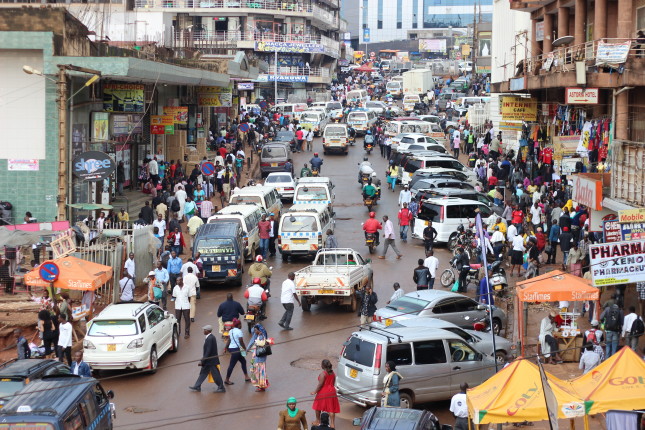
The impacts of a changing climate touch every region of the globe, but they are acutely felt by people in Uganda, where floods, droughts, and shifting rainfall patterns disrupt agricultural productivity, livelihoods, and the health and well-being of millions of people. According to the ND-GAIN index, Uganda is the 13th most vulnerable nation in the world, and action there is urgently needed to better prepare for and adapt to climate change’s impacts.
-
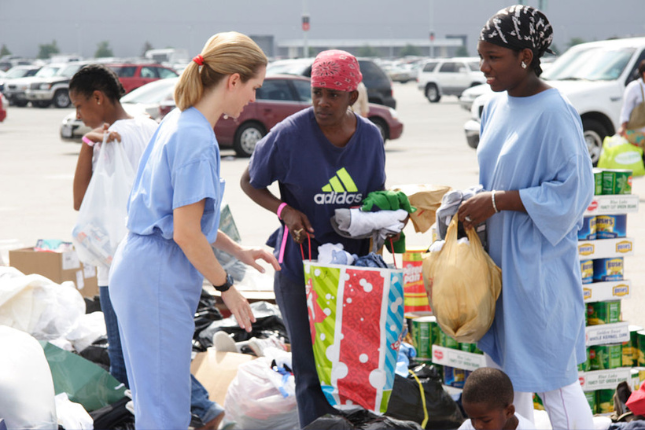
Old Dangers, New Modes: Climate Change and Human Trafficking
›
For thousands of years, natural factors like rainfall and temperature helped determine the fate of economies and societies. For thousands of years, humans also engaged in human trafficking and kept one another as enslaved people. But as human prosperity increased exponentially beginning in the 19th century, it may have seemed that such concerns were relics of the past.
-
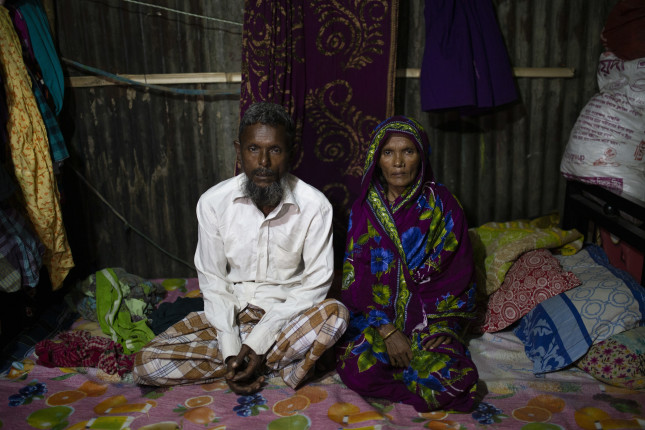
Investigating Climate Migration: Global Realities and Resilience
›Climate change has become part of our daily lexicon. Rarely does a week pass when a hurricane, drought, wildfire, or some other climate disruption is not front page news. These headlines often offer dire predictions of mass migration as well—a bracing vision of hordes of people moving to greener pastures, often found further inland and further north, where some political leaders leverage the narrative to push their own agendas.
-
Catastrophe and Catalyst: Pakistan’s Foreign Minister on His Nation’s Climate Tragedy
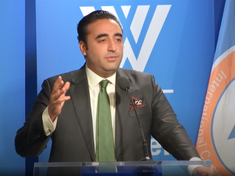
›On a recent visit to the Wilson Center, Pakistan’s Foreign Minister Bilawal Bhutto Zardari remarked on the historic nature of the monsoon-related floods that have submerged a huge swath of his country over the last several months.
“These are no normal monsoons and no normal floods,” said Zardari. “We are used to monsoons. We are used to floods. We have provincial mechanisms [and] national mechanisms to deal with such disasters. What we were not prepared for was for floods to descend from the sky.”
-
Water: A matter of national security – and the best hope for our climate
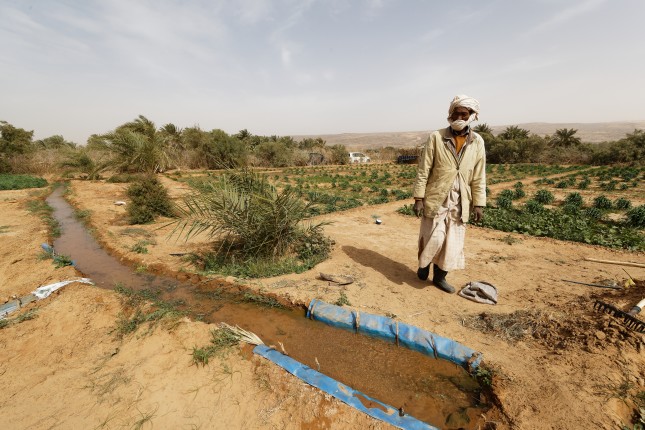
›Whiskey is for drinking, water is for fighting. Mark Twain may or may not have said it, but it gets repeated because it rings true. Water is central to human wellbeing, from drinking water and hygiene to growing food, producing electricity, and supporting identity-defining landscapes.
-
Climate Resilience for Whom? The Importance of Locally-Led Development in the Northern Triangle
›“One of the challenges of responding to climate risks is that climate’s impacts and how those impacts interact with existing systems on the ground are so varied and specific to a given place,” said Lauren Risi, Director of the Wilson Center’s Environmental Change & Security Program, at a recent PeaceCon conference panel on climate change, violence, and migration in Central America. “But there is also an opportunity in how we respond to develop more agile, just, and sustaining programs and policies that go beyond a singular focus on responding to climate change and instead build the overall resilience of communities.”
-
Environmental Change, Migration, and Peace in the Northern Triangle
›“There is a growing recognition that climate change is going to affect security and it’s increasingly shaping peoples’ decisions about where to move, where to live, and how to plan their futures, but how migration, climate, and insecurity connect and drive risks is not always as clear cut as the headlines would have us believe,” said Cynthia Brady, Global Fellow and Senior Advisor with the Wilson Center’s Environmental Change and Security Program, at last month’s International Conference on Environmental Peacebuilding. The roundtable discussion, “Environmental Change, Migration, and Peace in Central America’s Northern Triangle” drew on the Wilson Center’s framework to improve predictive capabilities for security risks posed by a changing climate, developed in partnership with the National Oceanic and Atmospheric Administration (NOAA). Applying the framework to the Northern Triangle—Honduras, Guatemala, and El Salvador—panelists discussed complex challenges and proactive approaches for building climate resilience and adaptive capacity.
-
Food and Water Security Solutions: Reflections on Mitigating Climate-induced Population Displacement in Africa
›Almost two years after Cyclone Idai hit Mozambique, Zimbabwe, and Malawi, thousands of people remain displaced. At the time, Idai was the most powerful cyclone to hit the Southern Hemisphere in two decades, but it is no longer an anomaly. Worse, the Word Bank reports that climate change can potentially wipe out decades of social and economic progress in the developing world by displacing millions of people, many of whom will be pushed into poverty. Food and water insecurity connected to climate hazards—particularly in places dependent on agriculture—is a major factor which has forced families and whole communities to relocate for safety and subsistence.
Showing posts from category extreme weather.