-
A Conversation with Rodolfo Camacho on Using Data for Water Security
›Friday Podcasts // Water Security for a Resilient World // Water Stories (Podcast Series) // March 20, 2020 // By Eliana Guterman While there are many uses for global data sets and innovative data analysis technologies, the most important thing, Rodolfo Camacho said in this week’s Water Stories podcast, is not analyzing the data. It’s the collaboration among countries sharing data. Camacho, Project Director at Winrock International and Chief of Party for USAID’s Sustainable Water Partnership (SWP), sat down with Lauren Herzer Risi, Project Director of the Environmental Change & Security Program to discuss the importance of big data and machine learning on improving water security.
 -
Are We Radically Underestimating the Effects of Climate on Armed Conflict?
›Climate change is widely recognized as a “threat multiplier.” From the United Nations to the G7 to the US Department of Defense, there is emerging consensus that climate change poses risks to both human and natural security through a variety of complex and interrelated channels. The extent of those risks, and how they connect to armed conflict, however, remain widely debated. -
From Arms to Farms: A Conversation with Casimiro Olvida
›“This project is serious,” Casimiro Olvida said. “It will help the community. If you do not believe me, you can kill me anytime.” He recalled saying this in 1995 to Communist rebels in Mindanao who were suspicious that his USAID-funded team was supporting the Philippine government. We have the same goals, he told them, to help the poor and protect the environment. Apparently, he was convincing. Now Watershed Protection Project Manager of the Sarangani Energy Corporation, Olvida spoke in this week’s podcast with ECSP’s Lauren Risi, at the International Conference on Environmental Peacebuilding in October 2019, describing his decades of work in forest management in the Philippines. -
Why Climate and Conflict Are Shaping the Crises of Our Time (And What To Do About It)
›Humanitarian need is increasing. Crises are becoming more complex through the interactions between climate change, disasters, and conflicts. Not only are humanitarian crises on the rise, but the nature of crises is changing, largely due to climate change-driven extremes such as floods, droughts and typhoons. Over 90 percent of disasters are believed to be related to climate. -
Wim Zwijnenburg on Using Data to Visualize the Impacts of Conflict on the Environment
›Through open source information, remote sensing, and existing data, we can have a better sense of how conflict impacts the environment and how it then impacts people depending on the environment, said Wim Zwijnenburg, a Humanitarian Disarmament Project Leader for the Dutch peace organization, PAX, in this week’s Friday Podcast. Wim sat down for an interview with ECSP’s Amanda King at the first International Conference on Environmental Peacebuilding, hosted at the University of California, Irvine, in October 2019. -
Dr. Mishkat Al-Moumin on the Importance of Women & the Environment to Sustainable Peace
›“I believe if you acknowledge women as primary users of environmental resources, if you draft the policy with women [at] the table, offering you their unique perspective and unique feedback, you’re going to have a more stable policy. A policy that gets implemented,” says Mishkat Al-Moumin, scholar in residence at the Environmental Law Institute, in this week’s Friday Podcast, and second in a series of interviews recorded at the First International Conference on Environmental Peacebuilding. -
To Envision a More Sustainable Future Tell the Story of Conservation Technology
›Last summer, I stood on a cliff 100 feet above the Madre De Dios River, in Southern Peru near the Bolivian border, to watch the rosy gift of an Amazon sunset. It was quiet, in a tropical rainforest way, with the light clamor of parrots, macaws, and cicadas. Then, a peke-peke motorized canoe broke through the soft din. It arrived from the east, carrying a new supply of diesel fuel for the gold miners who were prepping the generator that would operate a suction-pump and dredge for gold across the river and around the bend. Before nightfall, the fuel ignited the baritone of a diesel generator. It moaned all night and all day, barely stopping. In subsequent days, instead of a light clamor of birds and primates, the thrum of a gold mining operation seemed like all I could hear. -
The Top 5 Posts of January 2020
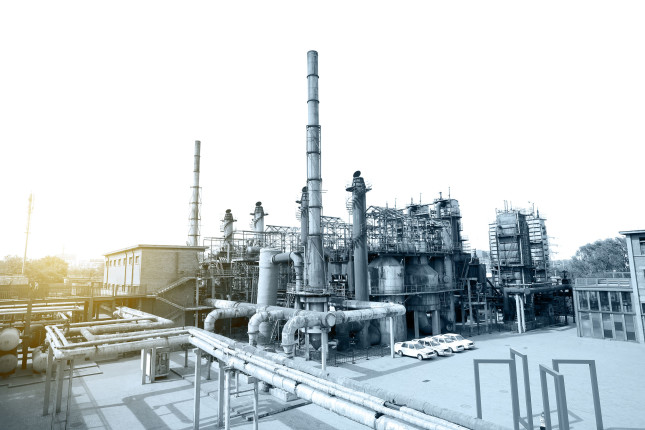
›The world’s largest greenhouse gas emitter, China, is projected to fulfill its Paris commitment to reduce the proportion of coal in its energy mix ten years ahead of schedule. However, the country remains the world’s largest producer and consumer of coal, and coal conversion practices are steadily on the rise. In this month’s top post, China Environment Forum’s Richard Liu, Zhou Yang, and Xinzhou Qian track China’s risky gamble on coal conversion.
Showing posts from category environmental security.
 While there are many uses for global data sets and innovative data analysis technologies, the most important thing, Rodolfo Camacho said in this week’s
 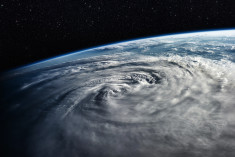 Climate change is widely recognized as a “threat multiplier.” From the
  “This project is serious,” Casimiro Olvida said. “It will help the community. If you do not believe me, you can kill me anytime.” He recalled saying this in 1995 to Communist rebels in Mindanao who were suspicious that his USAID-funded team was supporting the Philippine government. We have the same goals, he told them, to help the poor and protect the environment. Apparently, he was convincing. Now Watershed Protection Project Manager of the Sarangani Energy Corporation, Olvida spoke in this week’s podcast with ECSP’s Lauren Risi, at the International Conference on
 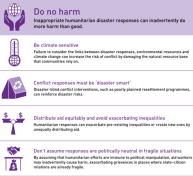 Humanitarian need is increasing. Crises are becoming more complex through the interactions between climate change, disasters, and conflicts. Not only are humanitarian crises on the rise, but the nature of crises is changing, largely due to climate change-driven extremes such as floods, droughts and typhoons. Over
  Through open source information, remote sensing, and existing data, we can have a better sense of how conflict impacts the environment and how it then impacts people depending on the environment, said Wim Zwijnenburg, a Humanitarian Disarmament Project Leader for the
  “I believe if you acknowledge women as primary users of environmental resources, if you draft the policy with women [at] the table, offering you their unique perspective and unique feedback, you’re going to have a more stable policy. A policy that gets implemented,” says Mishkat Al-Moumin, scholar in residence at the Environmental Law Institute, in this week’s Friday Podcast, and second in a series of interviews recorded at the First International Conference on Environmental Peacebuilding.
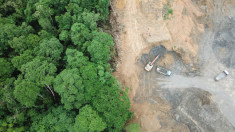 Last summer, I stood on a cliff 100 feet above the Madre De Dios River, in Southern Peru near the Bolivian border, to watch the rosy gift of an Amazon sunset. It was quiet, in a tropical rainforest way, with the light clamor of parrots, macaws, and cicadas. Then, a peke-peke motorized canoe broke through the soft din. It arrived from the east, carrying a new supply of diesel fuel for the gold miners who were prepping the generator that would operate a suction-pump and dredge for gold across the river and around the bend. Before nightfall, the fuel ignited the baritone of a diesel generator. It moaned all night and all day, barely stopping. In subsequent days, instead of a light clamor of birds and primates, the thrum of a gold mining operation seemed like all I could hear.