-
“Land is Now the Biggest Gun”: Climate Change, Conflict, and the Telling Case of Karamoja, Uganda
›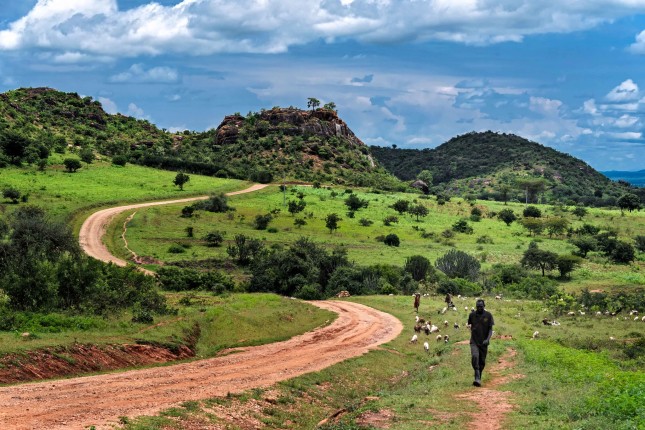
Whether and how climate change drives conflict has driven considerable debate over the past decade. Yet understandings of climate-conflict remain general, and in many respects, unsettled. A recent assessment of potential future directions for climate-conflict research highlights the need to go beyond generalities and deepen insight into the contextual mechanisms that link climate change to conflict. That type of knowledge requires in-depth studies that trace climate-conflict dynamics in particular places and times. In an article recently published in Climate and Development, I examine how climate change alters conflict outcomes and vulnerability in Karamoja, Uganda. The case offers direct insight into both why the climate-conflict relationship can be so difficult to interpret and also the need to broaden conceptualizations of the climate-conflict relationship.
-
Developing a Shared Narrative on Climate Change, Fragility, and Peacebuilding
›
“Addressing the link between climate, conflict, and environment is a critical piece of the new USG framework for addressing fragility, and, as the Biden administration scales up its efforts to center climate change in its foreign policy and national security agendas, it’s going to be essential to consider the linkages between climate action and opportunities to build peace,” said Joe Hewitt, Vice President at the U.S. Institute of Peace during a recent event co-hosted by the Wilson Center and the U.S. Institute of Peace on the importance of integrating climate change responses, conflict prevention efforts, and peacebuilding.
-
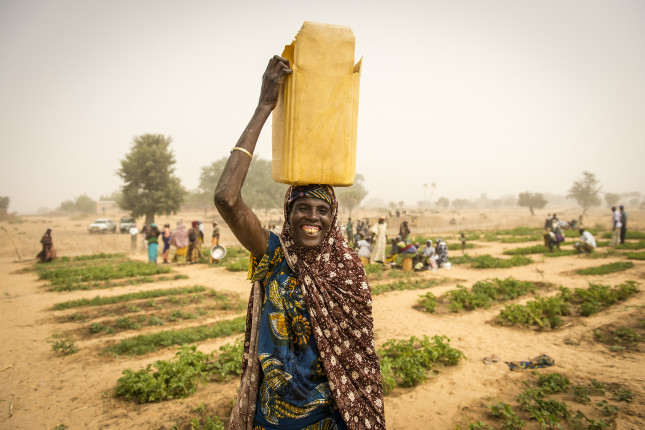
Why We Need a Climate Security Course-Correction for Stability in the Sahel
›Not only is the Sahel highly vulnerable to the impacts of climate change, but it is also one of the regions where climate change is most likely to undermine security and trigger violent conflict. Now more than ever, climate security risks must be effectively integrated into stabilisation and peace operations in order to achieve stability in the region.
-
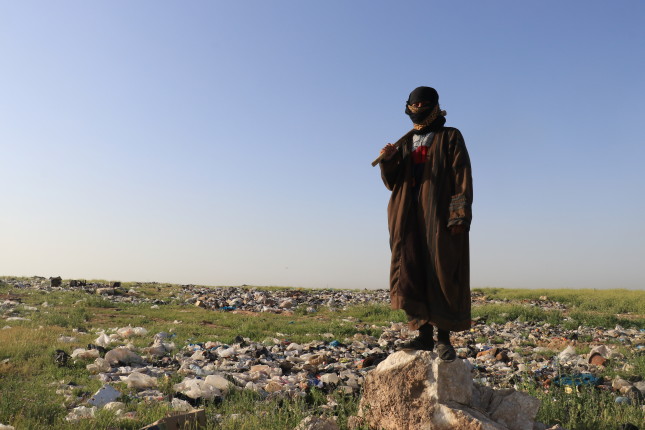
Climate Change and Terrorism
›Climate change is a defining global issue of our time. In a recent address to the UN Security Council, John Kerry, the U.S. presidential envoy for climate, remarked that climate change is “the challenge of all of our generations.” An important dimension of the challenge presented by climate change concerns its implications for state and human security.
-
Improving America’s Ecological Security Requires Public-Private Partnerships
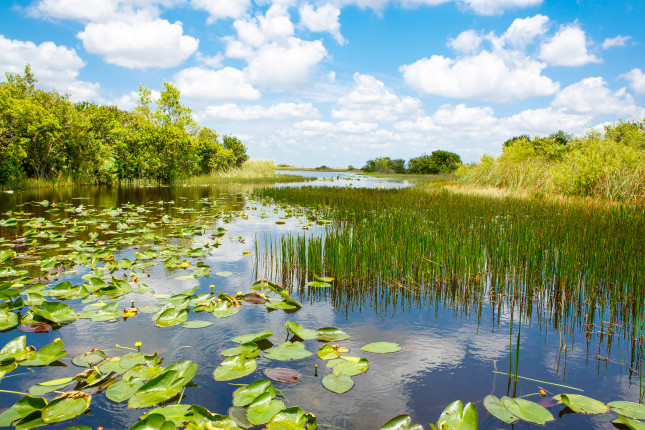
›In January, President Biden joined other world leaders in committing to conserve 30 percent of their nations’ lands and oceans by 2030. Also known as “30 by 30,” the pledge aligns government action with the growing recognition by the intelligence community that the loss of ecosystems and biodiversity presents serious risks to the U.S. economy and national security. Risks to the U.S. include the expanded likelihood of wildlife-borne diseases spilling over into our communities, water system challenges, decreased crop production, and increased natural disasters like floods.
-
Going Big on Climate: Opportunities and Challenges Facing the New Administration
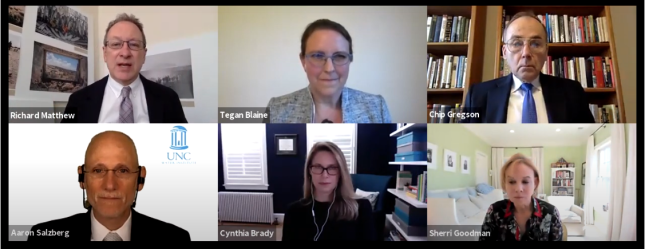
›“With climate change, we can make no small plans—we need to go big,” said Lieutenant General Wallace Gregson (ret.), former Assistant Secretary of Defense for Asian and Pacific Security Affairs, during a recent event co-hosted by the Environmental Peacebuilding Association and Wilson Center on opportunities and challenges facing the new administration relating to the environment, peace, and conflict.
-
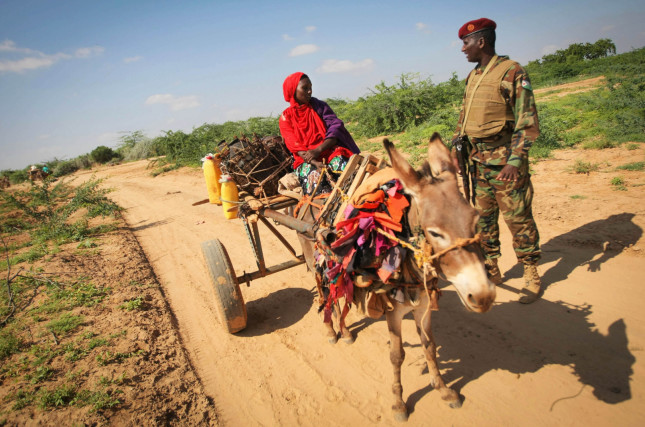
A Conversation with Marisa O. Ensor on Securitizing Youth and Youth’s Role in Peace and Security Agendas
›“I’ve been quite impressed by the wide diversity and complexity of young women’s and men’s engagement for peacebuilding and development often while confronting seemingly insurmountable challenges,” says Marisa O. Ensor, Adjunct Professor in the Justice and Peace Studies Program at Georgetown University, in this week’s Friday Podcast. -
Nature-based Solutions Vital to Mitigating Conflict-linked Environmental Damage
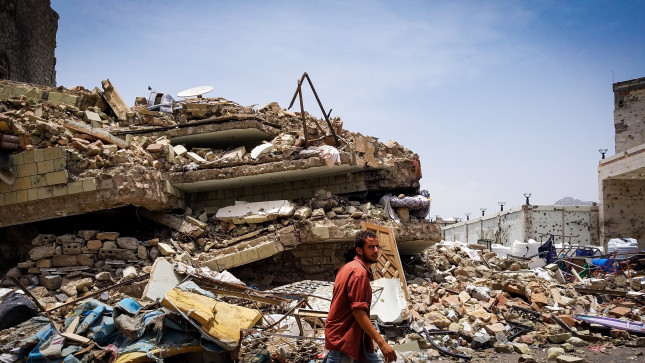
›When the dust settles after wars and armed conflicts, people are eager to rebuild their lives and livelihoods in the wake of the devastation wrought upon their country. Often one issue is largely absent in post-conflict reconstruction and development planning: addressing conflict-linked destruction of the environment.
Showing posts from category environmental security.
 “I’ve been quite impressed by the wide diversity and complexity of young women’s and men’s engagement for peacebuilding and development often while confronting seemingly insurmountable challenges,” says Marisa O. Ensor, Adjunct Professor in the Justice and Peace Studies Program at Georgetown University, in this week’s Friday Podcast.