-
Shifting the Climate Security Narrative: How the Department of Defense Can Lead
›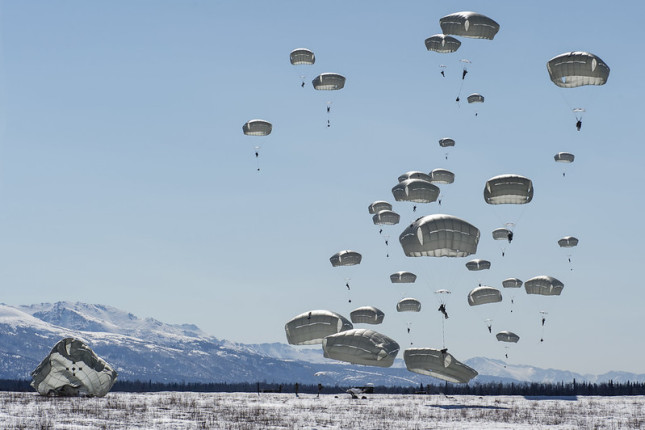
In 2021, US Defense Secretary Lloyd J. Austin III referred to climate change as an “existential threat”—a term traditionally reserved for nuclear weapons. Yet two years and several strategic plans later, tangible progress to mitigate and prepare for this threat remains elusive, especially on the international scale where the greatest impacts could be realized.
-
ECSP Weekly Watch | September 11 – 15
›
A window into what we are reading at the Wilson Center’s Environmental Change and Security Program
Treading Water: Why Were Libya’s Floods So Devastating?
This week’s devastating disasters in Morocco and Libya underscore the cascading effects of environmental shocks (and in the case of Libya, climate-related shocks), as well as the cross-sectoral response needed to comprehensively address the damage.
-
Climate Adaptation at COP28: Eyes on the Middle East
›When COP28 begins in the United Arab Emirates in late November of this year, the multifaceted connections between climate and conflict are expected to receive greater attention from participants than they have at previous conferences.
While there is scant direct causal evidence to suggest that climate change causes conflict, there is a growing body of information that it can influence the risk of conflict by hurting economies, changing broad patterns of human behavior and movement, and straining social cleavages.
-
ECSP Weekly Watch | September 4 – 8
›A window into what we are reading at the Wilson Center’s Environmental Change and Security Program
Peace and Prosperity in the Sahel: Climate Security is Key
Liptako-Gourma is a landlocked region located on the borders of Burkina Faso, Mali, and Niger. It possesses significant mineral, water, and biodiversity resources, and strategically positioned for both economic opportunities and cultural exchange.
-
Ukraine’s Environment Is a Victim of Russian Geopolitics. (Again.)
›Senior Western officials have received “sobering” reports on the counteroffensive in Ukraine. As both sides continue to rain artillery shells and missiles across the country, Ukrainian forces have struggled to make progress on the front lines in both the south and the east.
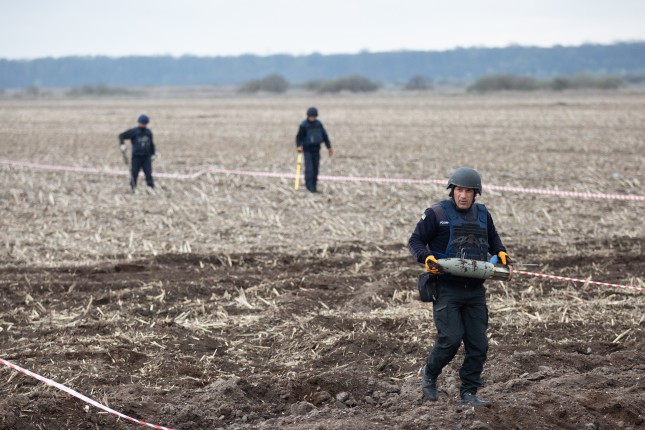
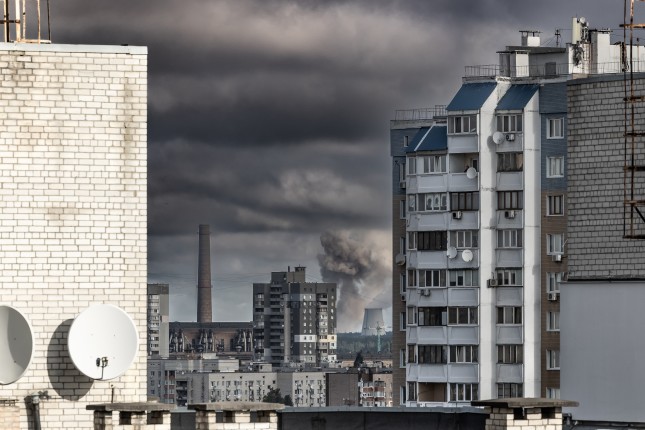
Meanwhile, a different but related struggle is occurring across the country. Ukraine’s environment is being poisoned by the by-products of this war; polluting the land, water, and air, and exposing humans, plants, and animals to high levels of toxins.
-
ECSP Weekly Watch | August 21 – 25
›A window into what we are reading at the Wilson Center’s Environmental Change and Security Program
Deforestation Dynamics in Colombia: The Role of Armed Groups
A 29% drop in deforestation in Colombia in 2022 was labeled as a victory for President Gustavo Petro. Yet there is another reason behind the decrease. Armed groups, such as the Estado Mayor Central (EMC), have imposed logging bans in areas under their control, and levy fines amounting to 251 dollars per hectare.
-
El Niño and Militarized Fisheries Disputes in the East and South China Seas
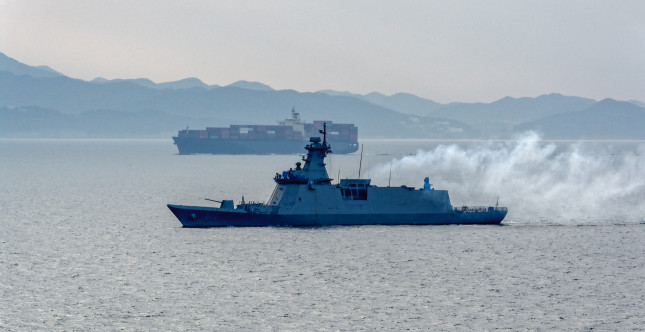
›Earlier this summer, the Armed Forces of the Philippines spotted dozens of Chinese fishing vessels in—or very near to—the Philippines’ exclusive economic zone. This influx occurred just weeks after the US National Oceanic and Atmospheric Administration announced, “El Niño is here.”
-
Q&A: Dr. Jeff Colgan on the Energy Security Impacts of Russia’s War in Ukraine
›Dr. Jeff Colgan is Director of the Climate Solutions Lab at the Watson Institute for Public and International Affairs at Brown University, and a keen observer of the interplay between energy and security. His new white paper, “Letting Europe’s Energy Crisis Go to Waste: The Ukraine War’s Massive Fossil Fuel Costs Fail to Accelerate Renewables,” co-authored by Alexander S. Gard-Murray and Miriam Hinthorn, offers a new window into how an event with the broad potential to reshape energy policy to more sustainable ends has failed to meet the moment. Colgan spoke to us about the institute’s new research and the lessons learned about conflict’s influence on the energy transition more than a year into the Ukraine conflict.
Showing posts from category environmental security.