-
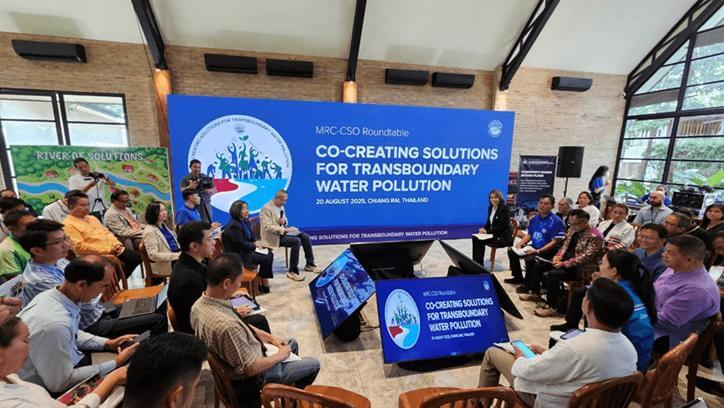
Protecting Water in the Mining Rush: A World Water Day Panel
›
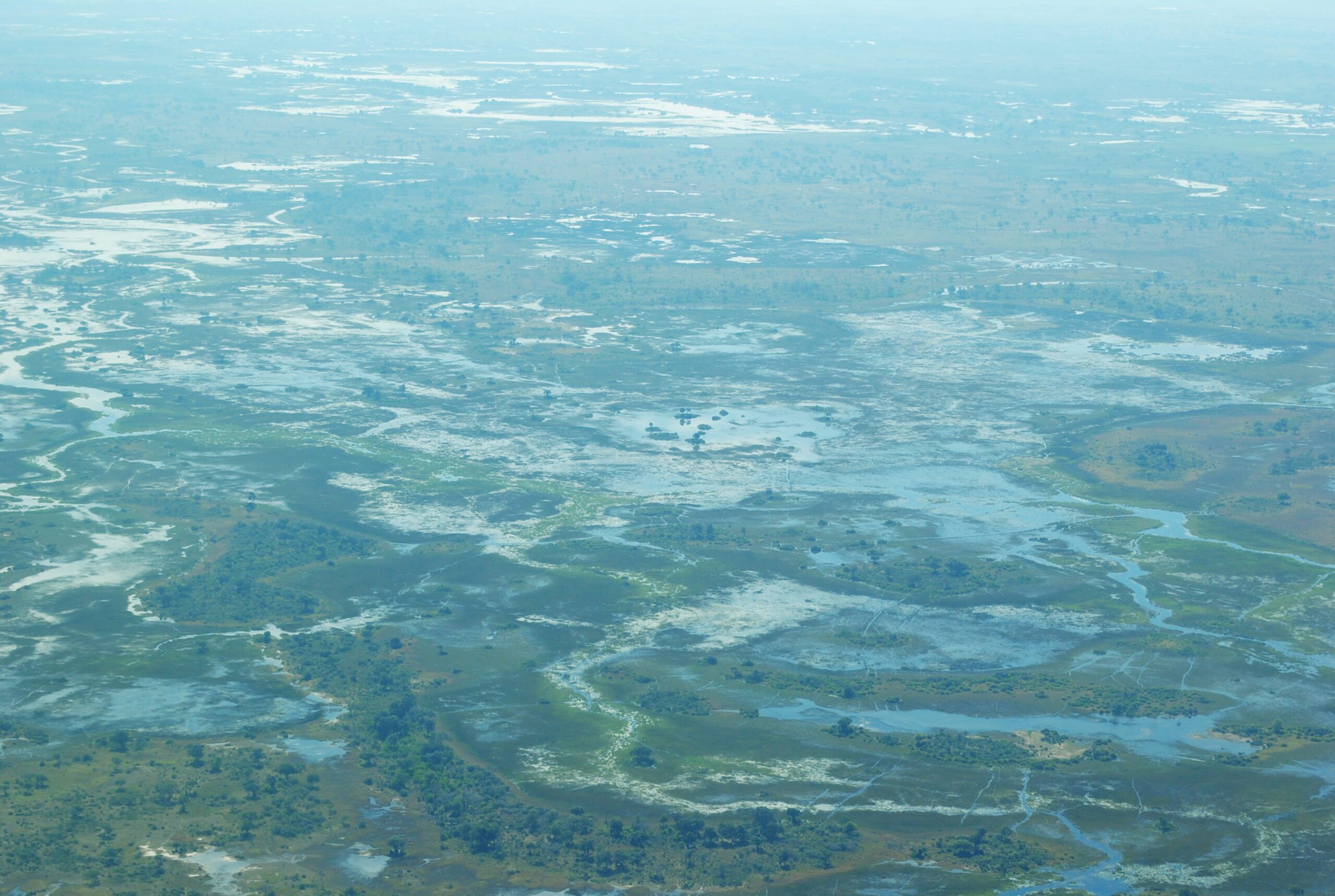
From Zambia to Indonesia, recent headlines about catastrophic toxic mining spills grimly underscore how the global push to secure one set of resources, critical minerals, might be compromising another: water.
“This isn’t just an environmental story,” said Lauren Risi, Director of the Stimson Center’s Environmental Security Program, at a recent event on protecting water resources amid increasing mining, held ahead of World Water Day 2026. “For many of these communities, the water being put at risk is their source of drinking water. It’s critical to subsistence farming and livelihoods. It sits at the center of daily life. When mining degrades or disrupts access to it, the consequences are immediate and personal,” she said.
-
Fighting Corruption Is Essential to Effectively Fighting Transnational Criminal Organizations
›
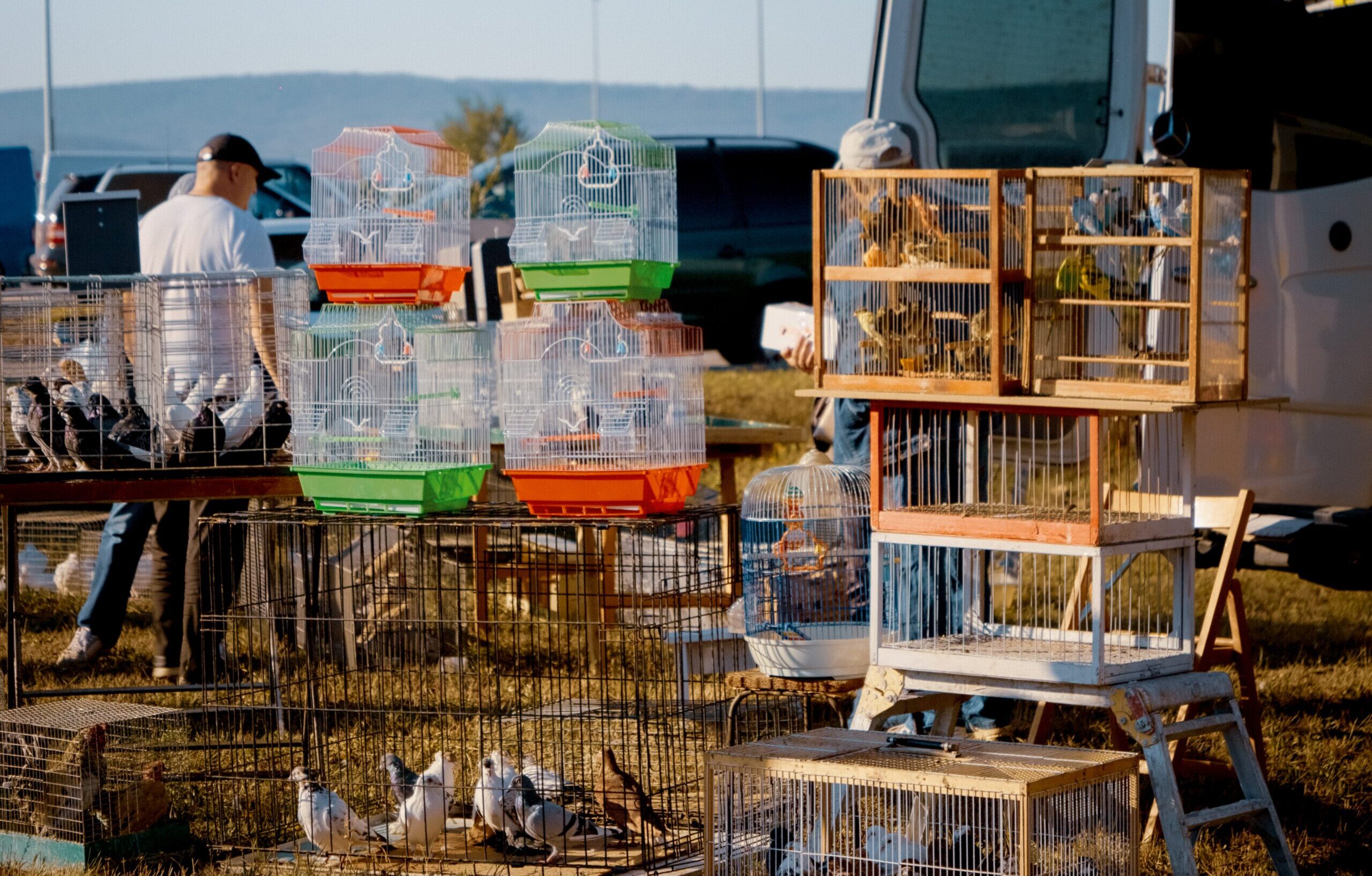
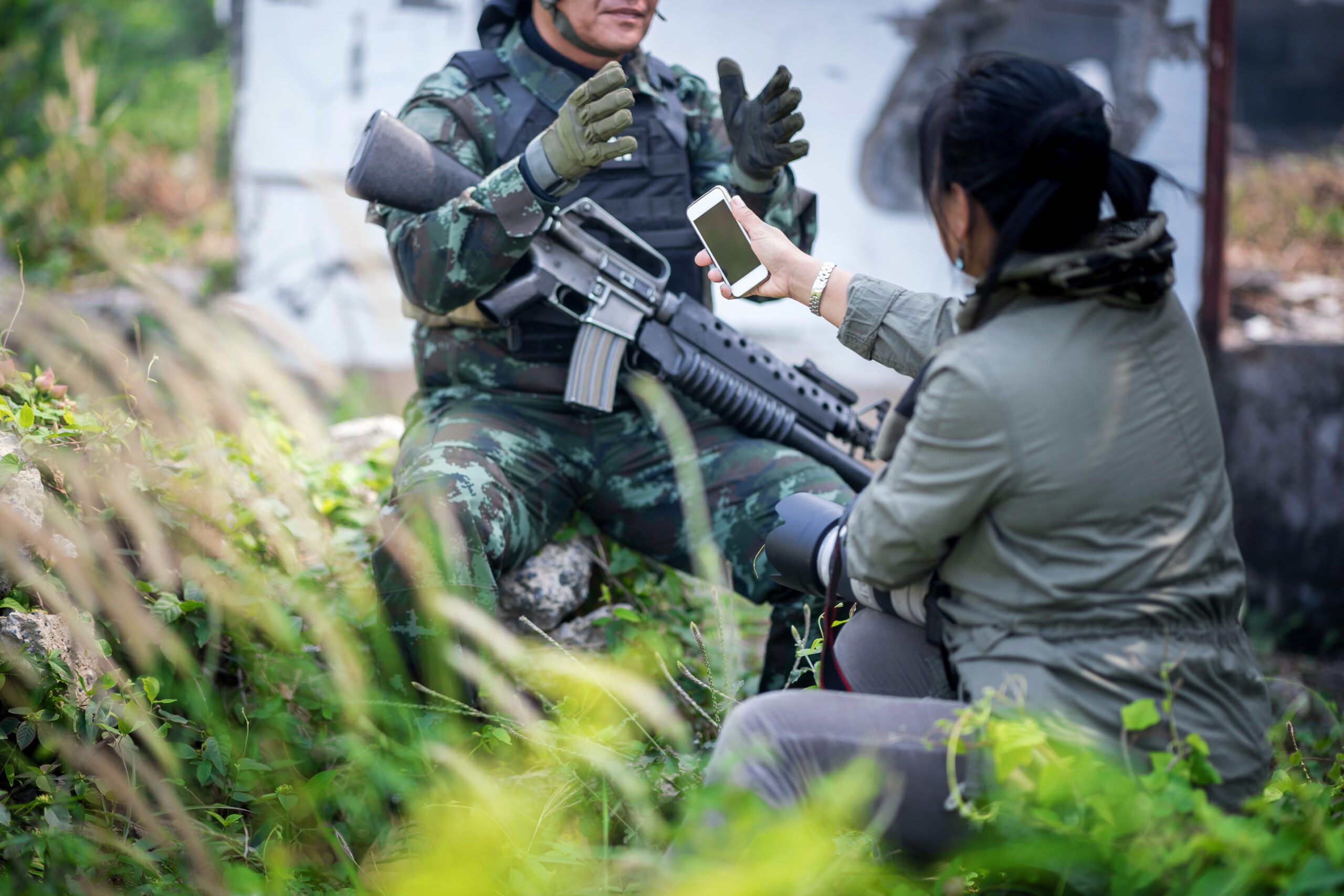
In March 2026, Earth League International (ELI) published a report: Money Talks: What Criminals Told Us About Corruption. Our study synthesized over a decade of intelligence obtained firsthand by ELI’s undercover investigators from inside criminal networks to examine how corruption facilitates environmental and wildlife crime, as well as how these activities converge with other serious crimes.
-
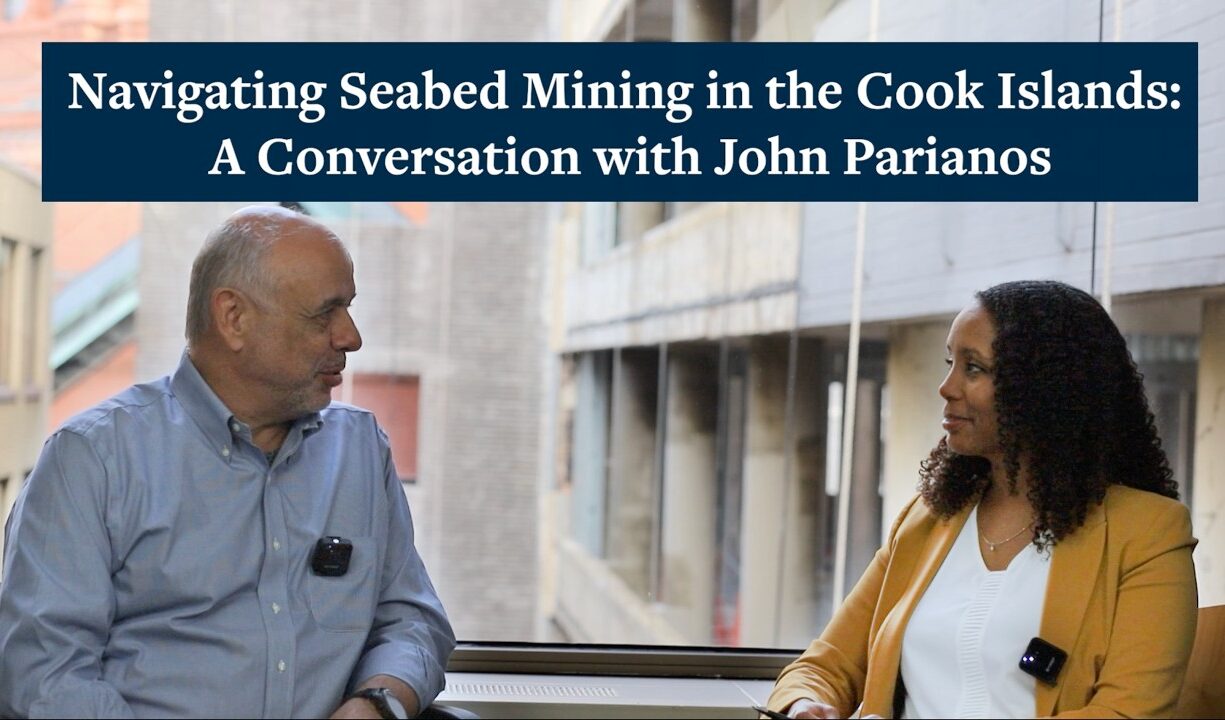
Navigating Seabed Mining in the Cook Islands: A Conversation with John Parianos
› -
Environmental Security Weekly Watch: March 16-20, 2026
›A window into what we’re reading at the Stimson Center’s Environmental Security Program
Pakistan’s Grassroots Solar Mitigates Middle East Energy Crisis Impact (The Guardian)
Russia’s invasion of Ukraine in 2022 also sparked a grassroots solar boom in Pakistan. Surging LNG prices and unreliable grid electricity resulting from the war’s broader effects pushed citizens to invest in rooftop solar as a one-time cost alternative to perpetually high electricity bills. Between December 2021 and December 2025, solar energy’s share of grid-supplied electricity in Pakistan jumped fivefold. Today, solar provides one-fifth of the country’s electricity.
-
Water Cooperation is Under Threat
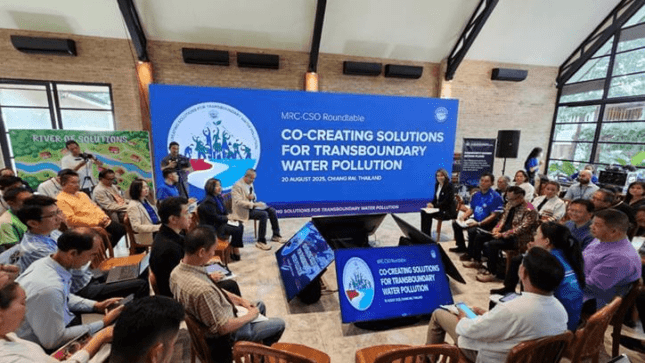
›Rivers, lakes, and aquifers ignore borders and politics, binding countries, people, and ecosystems together. This shared reality has long required cooperation, even among states divided by tensions or conflict. Through technical dialogue, data sharing, and joint institutions, countries have often quietly managed floods, negotiated infrastructure, and protected water quality.
-
Environmental Security Weekly Watch: December 8-12, 2025
›A window into what we’re reading at the Stimson Center’s Environmental Security Program
Race for Copper Damages Protected Region in Colombia (Mongabay)
As Colombia looks to meet the growing demand for strategic minerals, activists working in the department of Choco allege that the country’s only industrial copper mine is harming both the environment and a local community. The El Roble copper mine has operated since 1990 at the base of a valley crossed by the Atrato River, but its acquisition by Canadian multinational Atico Mining in 2013 has meant that daily production has doubled from 400 to 1,000 metric tons over the past 12 years. El Roble also lacks the environmental license required by Colombia’s Mining Code, and continues to operate under a less stringent 1987 environmental management plan, which activists say omits required environmental impact studies.
-
Environmental Security Weekly Watch: December 1-5, 2025
›A window into what we’re reading at the Stimson Center’s Environmental Security Program
Deforestation and Flooding Turns Fallen Timber into Projectiles in Indonesia (The New York Times)
When Cyclone Senyar struck in late November, its death toll numbered 800 people across Indonesia, Malaysia, and Thailand. The Indonesian island of Sumatra saw a particular sort of damage as the storm unleashed sixteen inches of rain in parts of the island, wiped out four villages, and triggered flash floods and landslides. Decades of razing and converting natural forests into palm oil plantations, pulpwood farms, and gold mines drastically increased the region’s vulnerability to floods and landslides to the point that timber was transformed into projectiles that destroyed residences and infrastructure.
-
The Importance of Reporting on Environmental Crime
›September 29, 2025 // By David A. TaylorEnvironmental crime has long been underreported, but globalization and the increased involvement of organized crime involvement is now contributing to a rise in such crime, especially when compared to other types of crime. The financial toll of environmental crimes has been estimated to be hundreds of billions of dollars while the damage they cause to ecosystems compounds the effects of climate change and inflicts a heavy toll on vulnerable communities.
Showing posts from category environmental law.