-
A More Resilient World: The Role of Population and Family Planning in Sustainable Development
›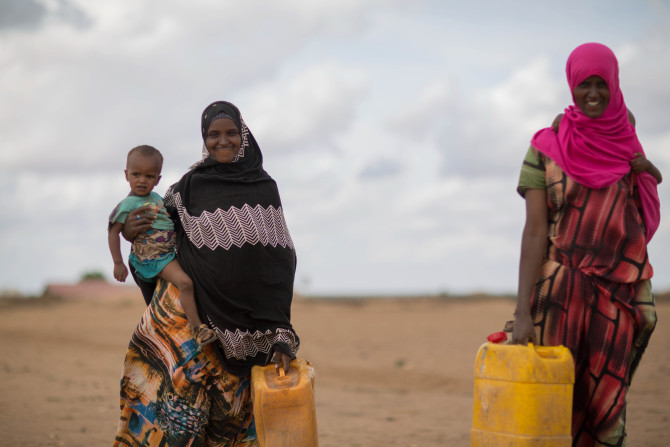
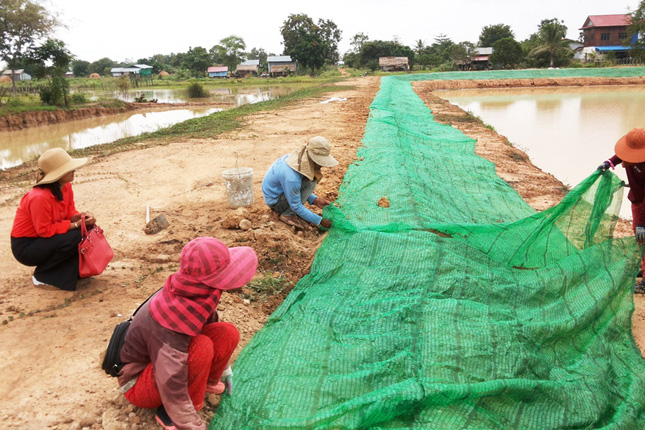
“Community mobilization, local capacity-building, and innovation are the cornerstones of successful development. And that for us includes resilience,” said Franklin Moore, Africare’s Chief of Programs, at a Wilson Center event on family planning and sustainable development. As rapid population growth intersects with challenges like food insecurity and water scarcity, communities in developing countries need not only the capacity to absorb short-term shocks, they also need transformative capacity to address long-term challenges.
-
Engineering the Climate—or Deploying Disaster? Applying Just War Theory to Geoengineering
›
As the national security ramifications of climate change grow more pronounced, climate manipulation technologies, known as geoengineering, will become more attractive as a method of staving off climate-related security emergencies. However, geoengineering technologies could disrupt the global ecological status quo, and could pose a potentially coercive (and very serious) threat to peace. Is it possible to obtain the potential benefits of these game-changing technologies, while avoiding spurring violence and conflict? In a recent article in Strategic Studies Quarterly, we argue that just war theory—which defines the concepts of “right” and “wrong” in warfare—could provide ethical standards for security decision-makers as they consider whether or how geoengineering should be used to address the climate challenge.
-
How Family Planning Can Help Save Cheetahs
›Conservationists and development practitioners may not have always seen eye to eye, but a new partnership between a cheetah conservation charity and a network of reproductive health NGOs is making the case for why these groups need to work more closely together.
-
Granting Rivers Legal Rights: Is International Law Ready for Rights-Centered Environmental Protection?
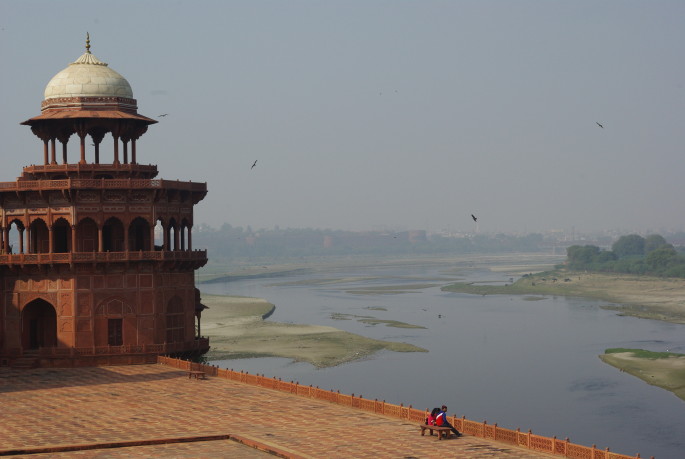
›Last year, four rivers were granted legal rights: the Whanganui in New Zealand, Rio Atrato in Colombia, and the Ganga and Yamuna rivers in India. These four cases present powerful examples of the increasing relevance of rights-centered environmental protection. Like corporations, which have legal rights in many jurisdictions, these rivers are rights-bearing entities whose rights can be enforced by local communities and individuals in court. But unlike corporations, these rights are not yet recognized in international treaties. Which raises the question: what are the implications of rights for nature for international environmental law?
-
How to Advance the Monitoring of Climate Risk Insurance
›One of the most recent and promising tools to cope with the consequences of the rising number of disasters is climate risk insurance. In exchange for an annual premium, they quickly provide states and other actors (including individuals) with much-needed cash to cope with the impacts of natural hazards such as hurricanes, droughts, and floods. Within certain parameters, policyholders are largely free to determine how they want to use the payouts. The African Risk Capacity (ARC), the Caribbean Risk Insurance Facility (CCRIF), and the Pacific Catastrophe Risk Insurance Facility (PCRAFI Facility) serve as cases in point. To date, they have made 44 payouts to 19 countries totaling about US$ 173 million. Simply put: they work.
-
Limited Water for Unlimited Development: Q&A With Shaofeng Jia
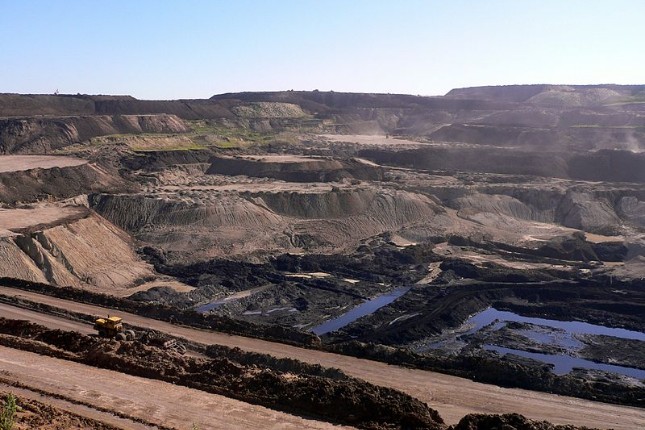
›A quarter of the coal that powers China’s economy is mined in Inner Mongolia, one of the country’s most water-scarce provinces with only slightly under two percent of China’s total water resources. The coal-rich city of Ordos, which produces nearly 70 percent of all the coal in Inner Mongolia, is bookended by expanding deserts—Kubuqi to the north and Maowushu to the south—and may one day run out of water and face a “Day Zero” like Cape Town in South Africa. Both the central and local governments are promoting a number of efforts to create new water supplies in Ordos, such as treating brackish waters and trading water rights. To learn more, the China Energy & Environment Forum recently interviewed Shaofeng Jia, the Deputy Director of Water Resources Research Center at the Chinese Academy of Sciences, who recently completed an extensive study on water-energy confrontations in Inner Mongolia.
-
Weakened by the Storm: Disasters and the Fighting Capacity of Armed Groups in the Philippines
›Many studies on natural disasters and conflict have assumed that disasters make it easier for rebel groups to recruit new members by fueling grievances against the government and lowering the opportunity costs of joining an insurgency, and that this recruitment will increase conflict. But disasters may actually have the opposite effect. My study of rebel groups in the Philippines, recently published in the Journal of Peace Research, suggests that by weakening the organizational structure and supply lines of rebel groups and their ability to enlist new fighters, disasters may instead reduce the intensity of the conflict, rather than increase it.
-
Sustainable Water, Resilient Communities: The Challenge of Erratic Water
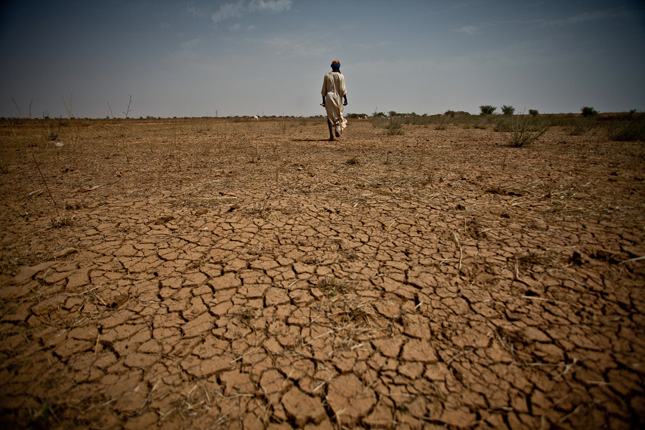
›From the Wilson Center // Water Security for a Resilient World // June 7, 2018 // By Rebecca LorenzenWater variability is increasing “due to climate change and to more frequent natural disasters,” said Jonathan Cook, Senior Climate Change Adaptation Specialist with the U.S. Agency for International Development, at the fourth and final event in a series on water security organized by the Wilson Center and the Sustainable Water Partnership. To solve the problem of increasingly erratic water, “business as usual is really not acceptable anymore,” said Will Sarni, founder of WetDATA.org, who called for new, innovative ideas: “Hope is not a strategy.”
Showing posts from category environment.