-
China’s Race to Develop Autonomous Vehicles
›
Autonomous vehicles (AVs) are revving up in China. As part of the 2018 CCTV Spring Festival Gala, more than one hundred AVs swerved perfect 8’s on the Hong Kong-Zhuhai-Macao Bridge, showcasing Baidu Apollo’s latest AV technology. China is a latecomer to the automotive industry, but it is taking the wheel in autonomous driving technologies and electric and hydrogen cars, viewing the sector as an unprecedented opportunity to play catchup with the rest of the world (See China Environment Forum webinar on China’s new energy vehicle trends below). Companies in China and around the world want to tap into the lucrative autonomous technology market that could reach $2.3 trillion by 2030.
-
Sam Huston on Stabilizing Water Utilities in Fragile Environments
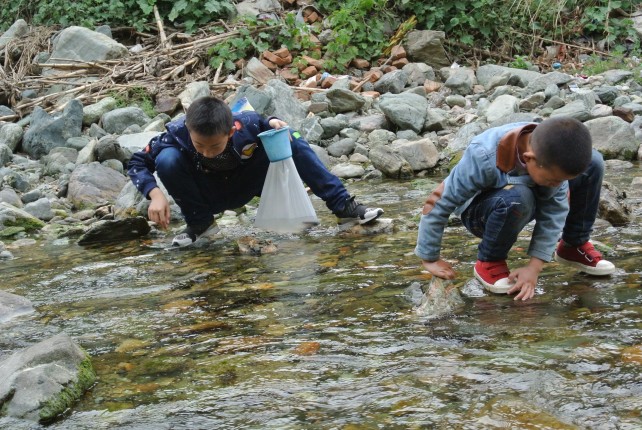
› “One of the interesting things about dealing with water and sanitation issues is that in many ways it’s a crosscutting issue,” said Sam Huston, Chief of Party at Tetra Tech’s USAID-supported Water Supply, Sanitation, and Hygiene Financing (WASH-FIN) Project. Practitioners often must deal with multiple challenges that are usually much broader than their specific focus, he noted during an interview for this week’s Water Stories podcast.
 -
On Tap: Seeking a Game Changer to Stop China’s River Pollution
›In Wuxi, a city 84 miles west of Shanghai, nearly 2 million residents had foul smelling green water coming out of their taps for a week in May 2007. Wuxi sits on the shores of Lake Tai, China’s third largest freshwater lake. And on that week in May, it experienced a perfect cocktail of industrial effluents, agricultural runoff, and sewage, which created a toxic cyanobacterial bloom, leaving 70 percent of the city’s water undrinkable. The Lake Tai incident was not an anomaly. Poor oversight and enforcement of water pollution regulations and standards has long left between 30 and 50 percent of China’s surface and groundwater undrinkable.
-
Missing Peace: Why Transboundary Conservation Areas Are Not Resolving Conflicts
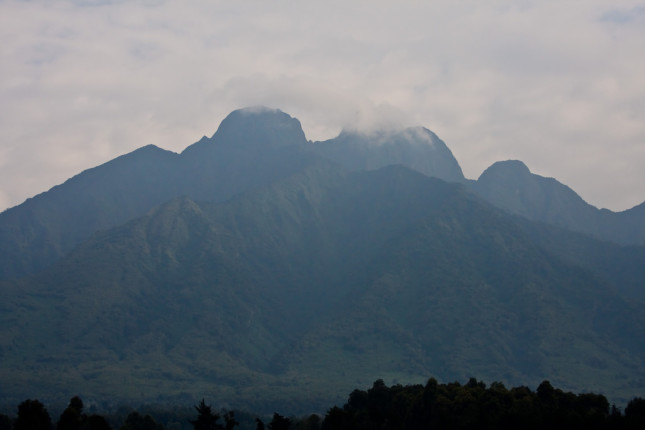
›Transboundary Conservation Areas, such as Parks for Peace, have been heralded for their potential to simultaneously contribute to biodiversity conservation and peace, but evidence to this effect has been elusive. In fact, more indications suggest that transboundary conservation areas, including Parks for Peace, rely on pre-existing international peace between countries for formalization and on-going non-violent relations for continuity. Although they are primarily designed for ecological peace (based largely on arguments of ecological connectivity), they are not immune to environmental harms. Perhaps even more challenging is how “fortress conservation” and “green securitization” compromise social peace.
-
Choke Point Solutions: Can Western China Lower its Coal-Water Risk?
›China’s war on pollution and goals to lower carbon emissions are noteworthy as the United States takes a back seat in the global energy transition. Cleaner air and low carbon efforts in China could significantly change the country’s environmental health story and contribute to global efforts to lower greenhouse gas emissions. However, China’s energy reforms look less green now than they seemed after Paris in 2015. While China’s rate of increase in CO2 emissions has slowed and the share of renewables in its energy mix continues to grow, the Chinese government’s pursuit of clean air along its east has shifted more polluting and water-intensive coal-fired power development into the country’s west. To continue to lead the way in this “Asian Century,” China must further incorporate water-saving reforms into its energy and environment plans.
-
Warzone Conservation in Afghanistan: Build a National Park, Build Democracy
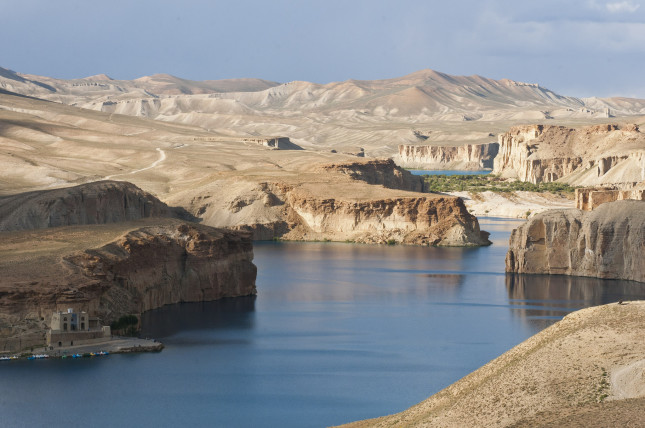
›“For people who have been refugees for the last 30 years, protecting Afghan wildlife was a way of protecting your own identity,” said Alex Dehgan, CEO and founder of Conservation X Labs, who recently spoke at the Wilson Center at the launch of his book, The Snow Leopard Project: And Other Adventures in Warzone Conservation. He credited his success in Afghanistan to crucial community members. By tapping into their local pride in conservation, Dehgan was able to establish the foundations for the country’s first national park, Band-e-Amir National Park, which opened 2009 in order to protect the endangered snow leopard and the rich biodiversity of Bamyan Province.
-
New Developments in the Field of Environmental Peacebuilding
›For those working at the intersection of environment, conflict, and peace, 2018 was a notable year. A new conceptual and operational framework for environmental peacebuilding began to emerge. Two particularly substantial developments in 2018 helped to institutionalize environmental peacebuilding: the debut of a massive open online course (MOOC) on environmental security and sustaining peace and the launch of the Environmental Peacebuilding Association.
-
U.S. Intelligence Community Recognizes Climate Change in Worldwide Threat Assessment
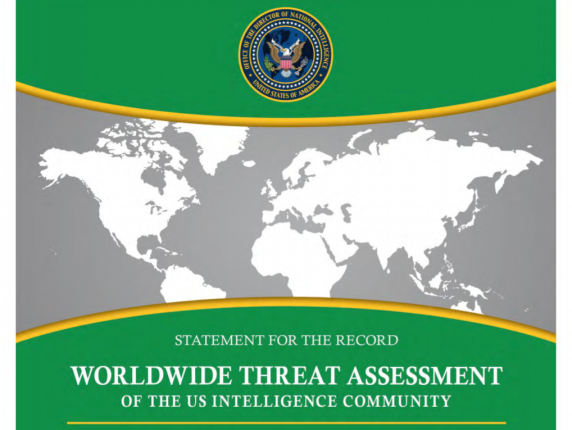
›February 5, 2019 // By Isabella CaltabianoThe 2019 Worldwide Threat Assessment of the US Intelligence Community, released on January 29, mentions climate change as a threat that is “likely to fuel competition for resources, economic distress, and social discontent through 2019 and beyond.” The report features new topics such as election interference and threats to economic competitiveness while still including continuing threats such as cyber espionage and attacks, terrorism, and climate change. As a statement from Director of National Intelligence (DNI), Daniel R. Coats, for the Senate Select Committee on Intelligence, the assessment provides an overview of the national security threats facing the nation.
Showing posts from category environment.
 “One of the interesting things about dealing with water and sanitation issues is that in many ways it’s a crosscutting issue,” said Sam Huston, Chief of Party at Tetra Tech’s USAID-supported