-
Closing the Climate Finance Gap in Fragile States
›November 11, 2025 // By Madelyn MacMurray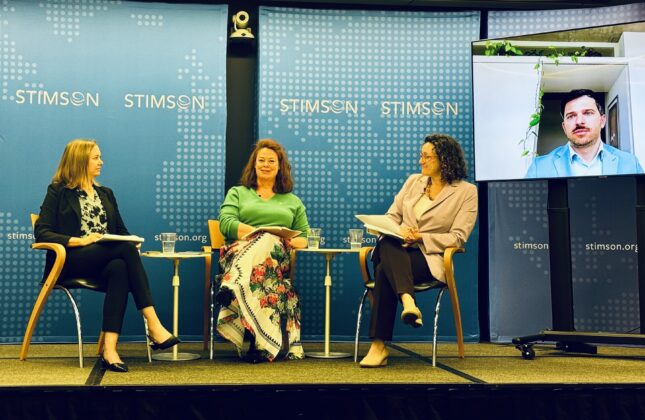
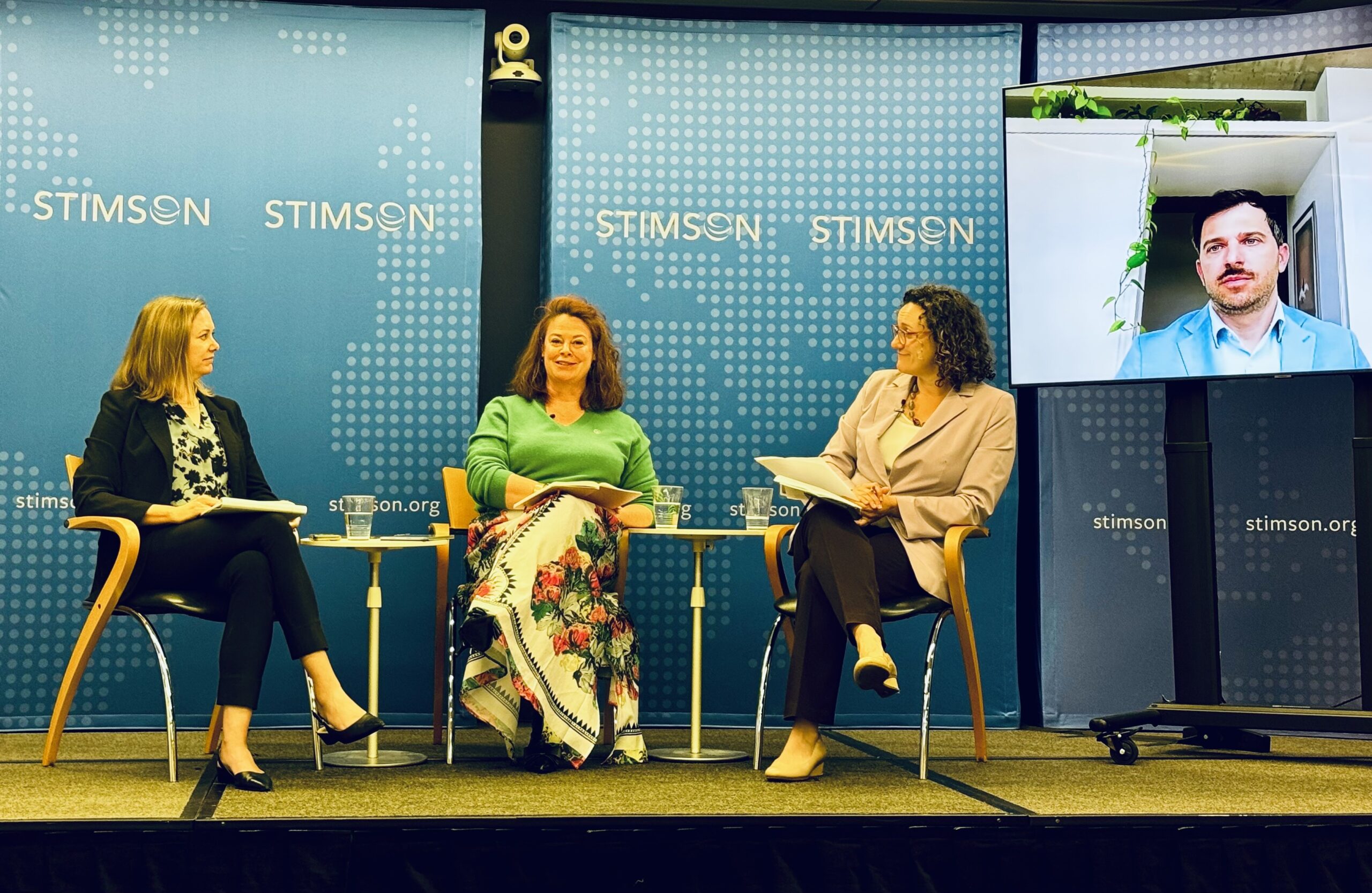
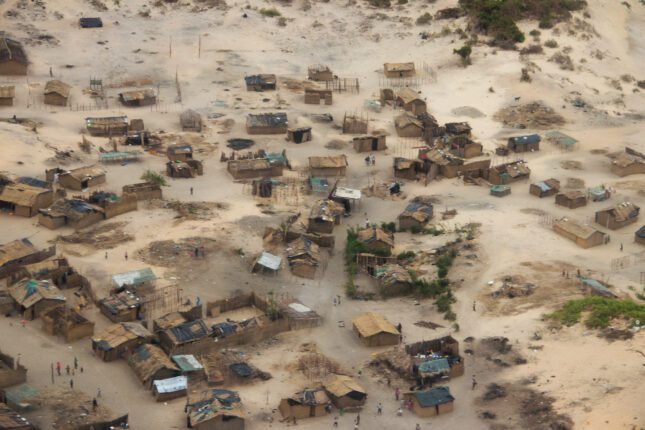
A massive flood in Somalia killed hundreds of people, and displaced tens of thousands more. Yet the survivors faced a vexing prospect when they tried to return home: Al-Shabab had moved in.
Stephanie Speck, Head of Special Initiatives at the Green Climate Fund, observed at a recent Stimson Center event that Shabab’s new levies meant that residents could not to move back to farm their land.
-
Environmental Security Weekly Watch: November 3-7, 2025
›
A window into what we’re reading at the Stimson Center’s Environmental Security Program
Corruption Stymies Environmental Crime Fight in the Amazon (Mongabay)
In the Andean Republics, rampant systemic judicial corruption has challenged the entire justice system, with judges implicated in both bribery and extortion. Because leadership from judges is essential for the success of reform efforts ranging from anti-corruption campaigns to environmental crime enforcement, the result has been damaging to the entire justice system in the region for more than a decade.
-
Environmental Security Weekly Watch: October 20-24, 2025
›US Resistance Delays Vote on Shipping Decarbonization Rules (Mongabay)
The International Maritime Organization (IMO) has voted 57-49 to postpone the adoption of the “net-zero framework” until October 2026. As the shipping sector’s first binding deal on global greenhouse gas emissions, the agreement would have established progressively stricter intensity limits starting in 2028. The framework also imposed substantial fees for noncompliance, with high emitters facing up to $1.5 million in additional annual fees by 2035 that could raise fuel costs by roughly 20%. Low-emission vessels would be rewarded with tradable carbon allowances.
-
China’s Belt and Road in Pakistan: What CPEC Leaves Behind
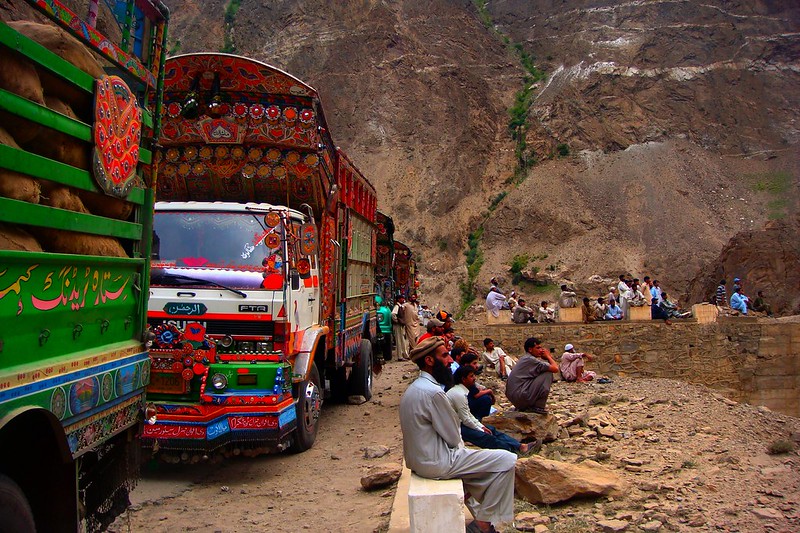
›Launched in 2013, China’s Belt and Road Initiative (BRI) has drawn wide global attention, with scholars and policymakers examining its geopolitical and economic implications. Much less explored, however, are the subnational impacts of BRI in participating countries. The China Pakistan Economic Corridor (CPEC), adopted as Pakistan’s flagship BRI project in 2015, offers a case in point.
-
Environmental Security Weekly Watch: September 29 – October 3, 2025
›A window into what we’re reading at the Stimson Center’s Environmental Security Program
Nickel Mining Threat to New Raja Ampat UNESCO Biosphere Reserve (Mongabay)
When Indonesia’s Raja Ampat archipelago received a UNESCO Biosphere Reserve designation on September 27, 2025, the new designation adding to the status it won as a Global Geopark in 2023. Yet this dual honor highlighting the archipelago’s exceptional biodiversity is now under threat from intense pressure from global demand for nickel for electric vehicle batteries that is challenging the reserve’s conservation goals.
-
Environmental Security Weekly Watch: September 22-26, 2025
›A window into what we’re reading at the Stimson Center’s Environmental Security Program
High Seas Treaty Passes UN Ratification Threshold for Implementation (New York Times)
Last week, the High Seas Treaty reached 60 ratifications in the United Nations, crossing the threshold to take effect and triggering a four-month countdown to full implementation. The agreement creates a comprehensive regulatory framework to protect all international waters beyond any single country’s jurisdiction.
-
Environmental Security Weekly Watch: September 15-19, 2025
›A window into what we’re reading in the Stimson Center’s Environmental Security Program
Mexico’s Mercury Boom is Poisoning People and the Environment (Associated Press)
In Mexico’s Sierra Gorda mountains, soaring international gold prices also have created a mercury boom. Since 2011, mercury prices have skyrocketed from $20 per kilogram to between $240 and $350 per kilogram today. Most of Mexico’s mercury is trafficked to Colombia, Bolivia, and Peru for use in illegal Amazon gold mining operations that contaminate rivers and ecosystems. Yet the country’s adoption of a 2017 UN convention banning mercury mining and exports also allows artisanal mines to operate until 2032.
-
Mud, Memories, and Meaning: Investigating Climate Security in Southwestern Zimbabwe
›While the devastating cyclones Dineo (2017) and Idai (2019) may feel like distant memories on the global stage, their impact remains etched into daily life in Zimbabwe’s Tsholotsho and Chimanimani districts. A punishing regional drought in 2024 makes the picture here even clearer: food, land, and water systems have been reshaped in ways that directly influence social cohesion and stability.
Showing posts from category environment.