-
Environmental Security Weekly Watch: April 27-May 1, 2026
›
A window into what we’re reading at the Stimson Center’s Environmental Security Program
Disaster Response Aid: Data Argues for New Focus on Inequality (Dialogue Earth)
When a 2019 oil spill and the COVID-19 pandemic struck coastal fishing communities in north-eastern Brazil back-to-back, researchers tracked 402 small-scale fishers across three states to assess the impacts. What they found was that fallout from these crises was were not uniform. The oil spill’s contamination of nearshore mangroves disproportionately harmed the women who make up the bulk of the workforce that harvests shellfish, while men fishing offshore for open-water species retained more of their income.
-
Environmental Security Weekly Watch: April 20-24, 2026
›
A window into what we’re reading in the Stimson Center’s Environmental Security Program
The Bolivian Cacao Farmers Taking on the Gold-Mining Industry (The Guardian)
Cacao farmers in Bolivia’s Alto Beni and Palos Blancos municipalities successfully pushed for local mining bans in 2021, protecting their organic agroforestry land from the destructive gold rush sweeping the region. Gold prices are up over 64% since 2020—intensifying illegal and legal mining across Bolivia, driving deforestation, mercury poisoning, flooding, and encroachment into protected national parks. Communities near active mining zones report polluted rivers, declining fish populations, and mercury-related illnesses.
-
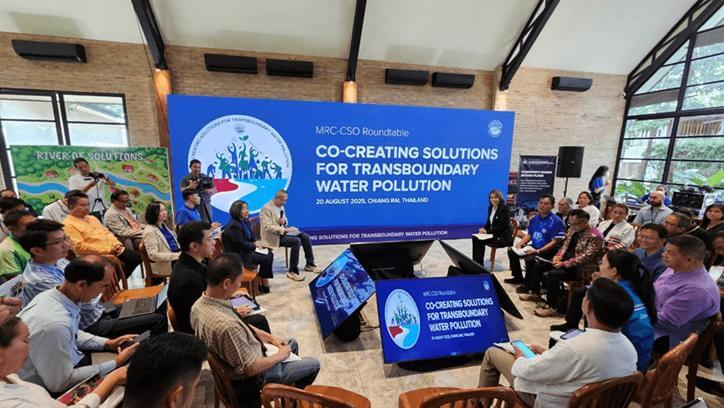
Protecting Water in the Mining Rush: A World Water Day Panel
›From Zambia to Indonesia, recent headlines about catastrophic toxic mining spills grimly underscore how the global push to secure one set of resources, critical minerals, might be compromising another: water.
“This isn’t just an environmental story,” said Lauren Risi, Director of the Stimson Center’s Environmental Security Program, at a recent event on protecting water resources amid increasing mining, held ahead of World Water Day 2026. “For many of these communities, the water being put at risk is their source of drinking water. It’s critical to subsistence farming and livelihoods. It sits at the center of daily life. When mining degrades or disrupts access to it, the consequences are immediate and personal,” she said.
-
Environmental Security Weekly Watch: March 30-April 3, 2026
›A window into what we’re reading at the Stimson Center’s Environmental Security Program
Experts Sound Alarm Over Peru-Brazil Biooceanic Railway Risks (Mongabay)
A proposed railway linking Peru’s Pacific coast to Brazil’s Atlantic is drawing alarm from conservation experts and Indigenous rights advocates. Brazil and China signed a feasibility study agreement for new route crossing both the Andes and the Amazon rainforest in July 2025, with China playing a central role in financing and development. Two alternatives are under consideration, with one running through Peru’s Ucayali region and the other through Madre de Dios, but neither has been approved. A single line could impact 15 protected natural areas, threatening over 1,800 campesino communities, as well as territories inhabited by Indigenous peoples in voluntary isolation.
-
Environmental Security Weekly Watch: March 9-13, 2026
›A window into what we’re reading at the Stimson Center’s Environmental Security Program
As Gulf Conflict Widens, So Does Its Environmental Footprint (Dialogue Earth)
The Conflict and Environment Observatory identified at least 120 incidents of environmental harm across 11 countries since the start of U.S. and Israelis began attacks on Iran, as both sides have made oil infrastructure, military facilities, and strategic sites primary targets. The burgeoning conflict poses nuclear, chemical, and long-term carbon risks, as strikes on refineries, tankers, and storage sites degrade air quality, contaminate water contamination, and harm marine ecosystems. And other serious catastrophes loom as the war develops. The IAEA warns that any radioactive release from strikes that target nuclear sites could require evacuating areas the size of major cities.
-
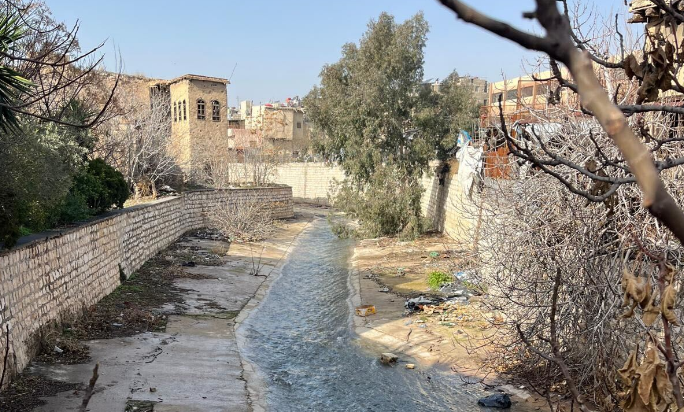
Syria’s Environmental Woes Fueled Its Long Conflict. Left Unaddressed, They Will Do So Again.
›I recently returned to Syria for my first peacetime visit. Unsurprisingly, the country is an awful mess. The destruction is somehow slightly more conspicuous than it seemed through a number of trips between 2014 and 2022. People’s exhaustion is palpable, and the economic situation is every bit as bad for many now as it was during the war. A formidable—and thus far entirely unanswered—environmental question also looms: how on Earth is the country’s landscape to be salvaged?
-
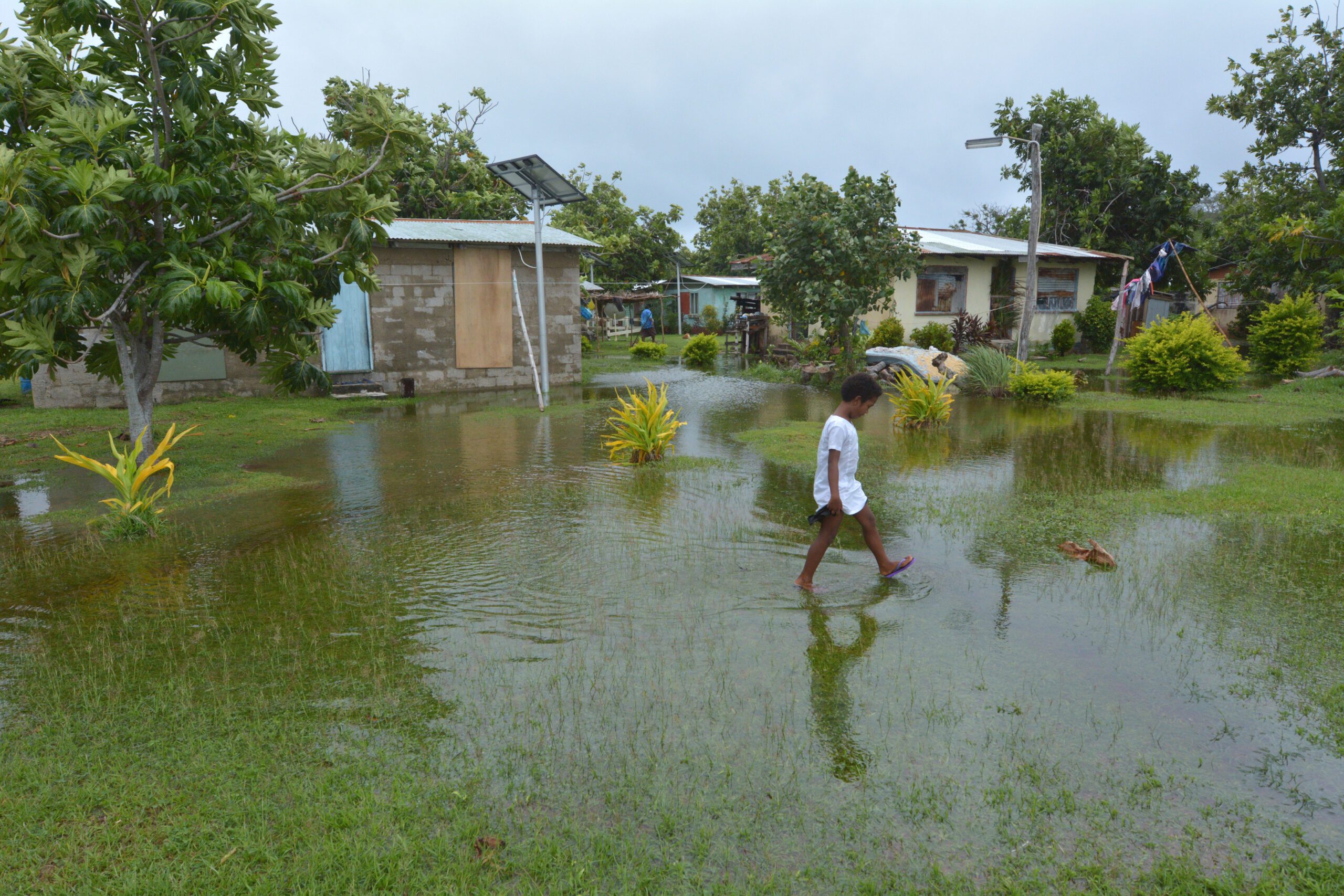
When Climate Extremes Don’t Lead to Conflict: Evidence from the Pacific Islands
›The article was adapted from “Local Resilience Can Mitigate Climate Conflicts in the Pacific,” published by Global Outlook.
Pacific Island countries sit at the frontline of climate change. Many consist of small, low-lying islands, with long coastlines and vast ocean spaces between them. Livelihoods often depend on agriculture and fishing, and importing water or food is often infeasible or expensive. This makes those large ocean nations highly vulnerable to the impacts of climate change, such as storms, droughts, and rising sea levels.
-
Lessons from the Niger Delta: What Awaits U.S. Oil Companies in Venezuela?
›When the executive branch of the United States government authorized the capture of Venezuelan President Nicolás Maduro in early January, it was the latest turn in a series of escalating events between the two nations. The Venezuelan President’s capture drew the ire of both the international community and some members of Congress because of its impact on national sovereignty and the future of the rules-based international order.
Showing posts from category environment.