-
A River Runs Again: Reporting on India’s Natural Crisis
›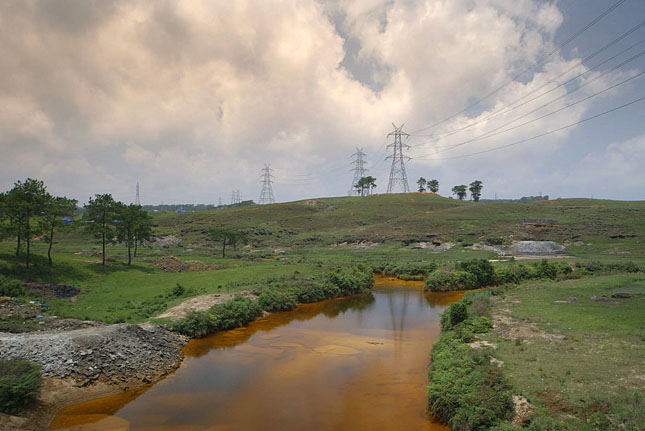
The world’s second most populous country – projected to be first by 2022 – is developing faster than ever before, roiling the social, political, and environmental landscape. [Video Below]
-
Zero-Emission Energy for 1.3 Billion People? Scaling Up Renewable Energy in the Developing World [Part One]
›
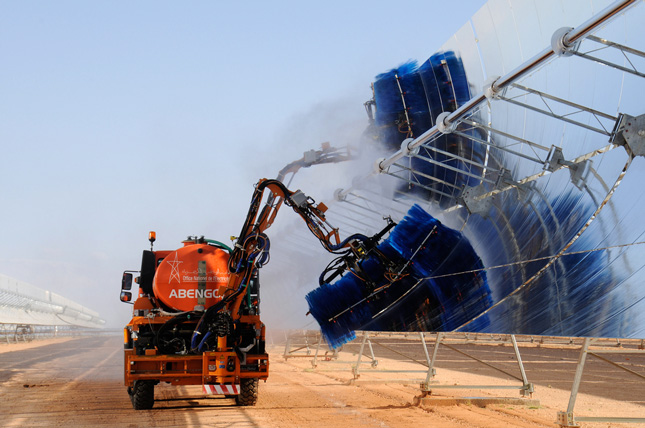
The renewable energy sector has reached a critical inflection point where costs are competitive with fossil fuels and investment is ramping up in a big way, said more than a dozen experts at a day-long conference co-hosted by ECSP and the U.S. Agency for International Development’s Office of Global Climate Change on October 27.
-
Sam Eaton, PRI’s The World
Human Traffickers Follow Floods in India, But Local Girls Are Fighting Back
›September 17, 2015 // By Wilson Center StaffThe Sundarbans – a collection of densely populated islands in India’s sprawling Ganges Delta – are so remote that the only way to get there is by boat. But human traffickers still manage to get in, and that’s left many families with missing daughters.
-
Peace Park Expedition to Balkans Reveals Tensions Over Development, Rule of Law for New Governments
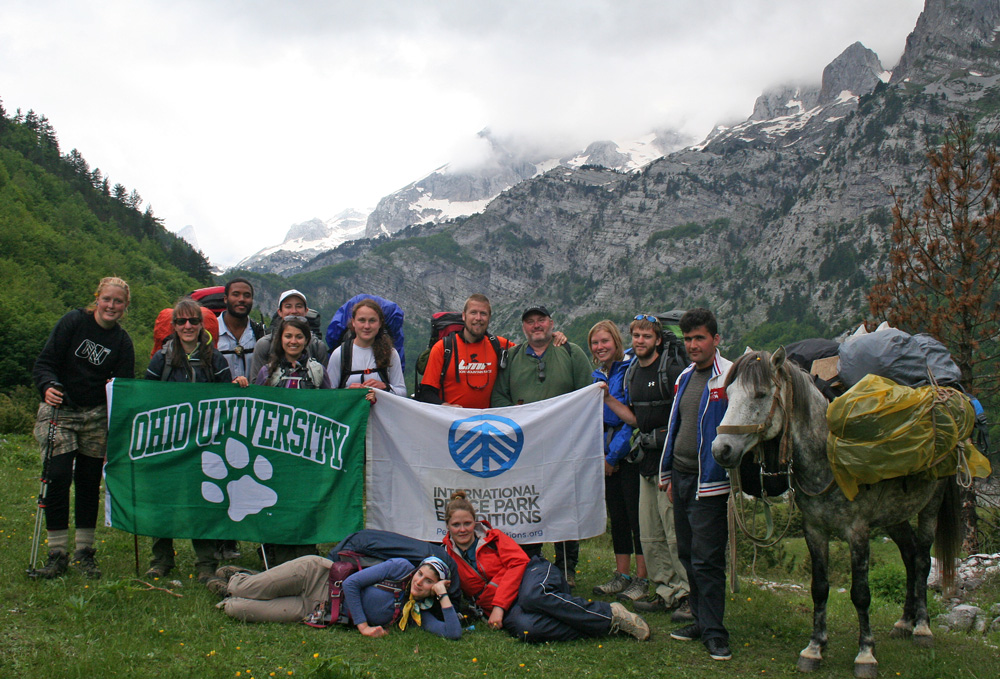
›One of the last biodiversity hotspots in Europe was also backdrop to one of its last violent conflicts and now home to its newest nation states. The Prokletije/Bjeshket e Nemuna Mountains, often referred to as the Southern Alps, are a large expanse of wilderness and stunning alpine landscapes that form the border between Montenegro, Albania, and Kosovo. Three national parks share borders and form a patchwork of protected land that could be the basis for an international peace park – a shared resource that could promote cross-cultural exchange collaborative natural resource management, and eco-tourism.
-
The Road Ahead for Young People and Family Planning
›Yesterday was International Youth Day, and governments, donors, and public health professionals are paying more attention to the unique needs of the world’s young people and the importance of their civic engagement and participation. Unfortunately, most young people do not have access to basic sexual and reproductive health care and information. This not only undermines their health and wellbeing, but significantly affects their abilities to stay in school and participate in their communities.
-
Running Faster to Stand Still: New UN Population Projections Point to Challenges Ahead for SDGs
›July 29, 2015 // By Schuyler NullIn most parts of the world, population growth is stagnant, even declining slightly, part of a decades-long and nearly universal shift towards smaller, healthier families. But the places where growth is still rapid continue to defy expectations about when they will “catch up.”
-
As African Cities Grow, Rural-Urban Divides Widen Too
›In 2007, the world crossed a threshold: for the first time in human history, the majority of people lived in urban areas. Today, Africa and Asia are the only remaining continents where the rural population outnumbers urban, but they are urbanizing at unprecedented rates. This rapid growth is a double-edged sword. While urbanization spurs economic opportunity and often increases access to infrastructure, it is also widening disparities in health and development, according to a new data sheet by the Population Reference Bureau.
-
The Hillary Doctrine: Sex and American Foreign Policy (Book Launch)
›When Valerie Hudson evaluates the strength of a nation, whether food security, wealth, peacefulness, or quality of governance, she finds one important thread that underlies it all. “One of the most important factors in the determination of these things is in fact the situation, and security, and status of women,” said Hudson at the Wilson Center on June 24. [Video Below]
Showing posts from category education.