-
Infographic: The Environmental Effects of China’s Growing Pork Industry
›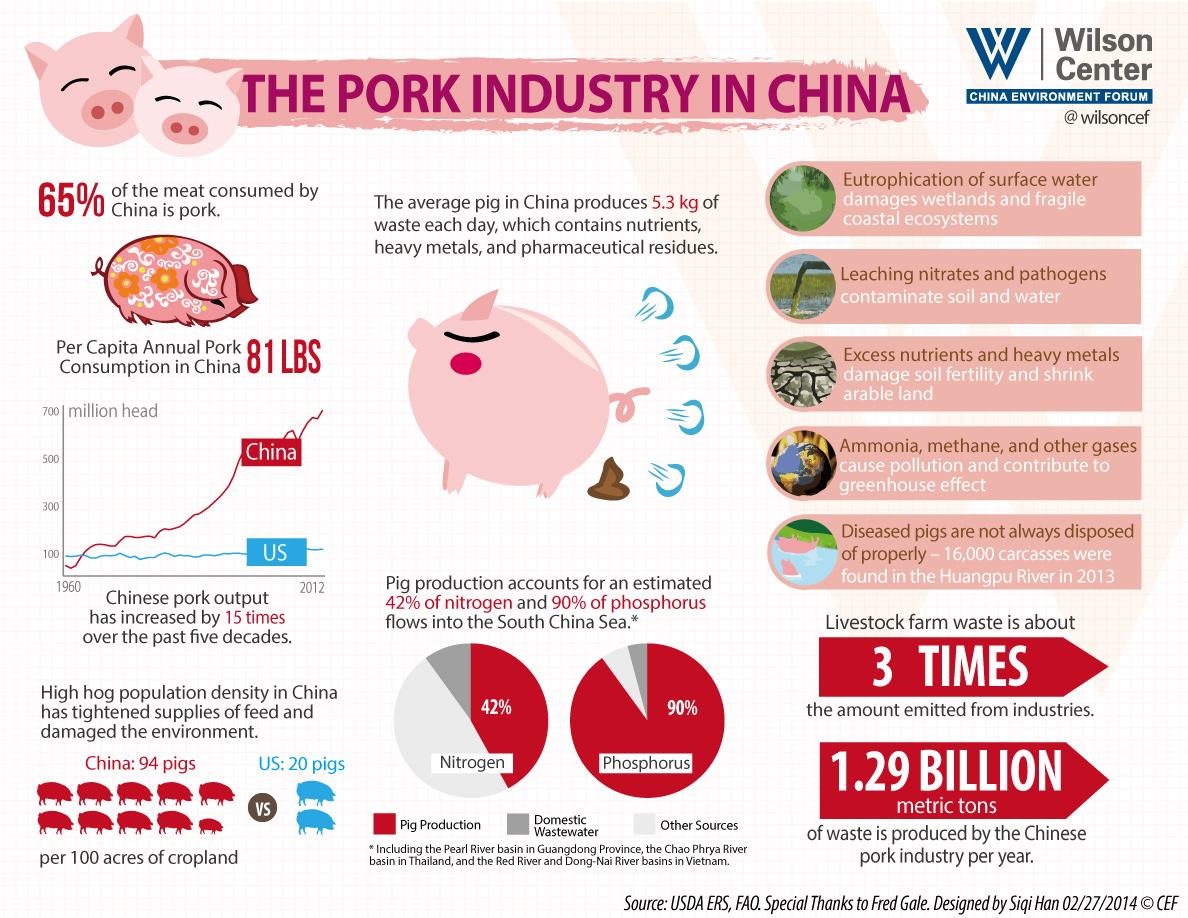
The pork industry in China accounts for 65 percent of domestic meat consumption, but also produces 1.29 billion metric tons of waste every year. China’s growing appetite for meat has put tremendous pressure on the livestock sector, which now produces three times more waste than industrial sources, and created a series of environmental and food safety issues.
-
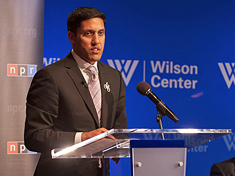
USAID Administrator Rajiv Shah on Public-Private Partnerships and the Future of Aid
› What’s the best way for America’s chief development agency to help other countries reach prosperity and democracy? Increasingly, it’s creating partnerships not just with other governments, but with the private sector too, says USAID Administrator Rajiv Shah in this week’s podcast.
 -
Have Ideas About Reducing Urban Poverty in the Developing World? In Graduate School? Apply Within
›The Wilson Center’s Urban Sustainability Laboratory, in partnership with USAID, International Housing Coalition, World Bank, and Cities Alliance, is pleased to announce the 5th Annual Urban Poverty Paper Competition for graduate students. The competition calls on students currently enrolled in a Master’s or PhD program to submit paper abstracts on topics relating to urban poverty in the developing world.
-
20 Years After Doomsday Predictions, China Is Feeding Itself, But Global Impacts Remain Unclear
›How has China managed to feed nearly one-quarter of the world’s population with only seven percent of the world’s arable land?
In 1995, Lester Brown forecasted doom and gloom for China’s ability to produce enough grain for its people, in his popular book, Who Will Feed China? He hypothesized that China would be forced to buy grain from abroad, thereby seriously disrupting world food markets.
-
Alison Brysk: Urbanization, Economic Change Hidden Drivers of Gender-Based Violence
›
Gender-based violence in developing countries is more than just a product of culture, war, extreme poverty, or historical patriarchy; it’s also a result of rapid economic change and urbanization, according to Alison Brysk, a fellow at the Wilson Center and the Mellichamp professor of global governance at the University of California, Santa Barbara.
-
Kaja Jurczynska, All Access
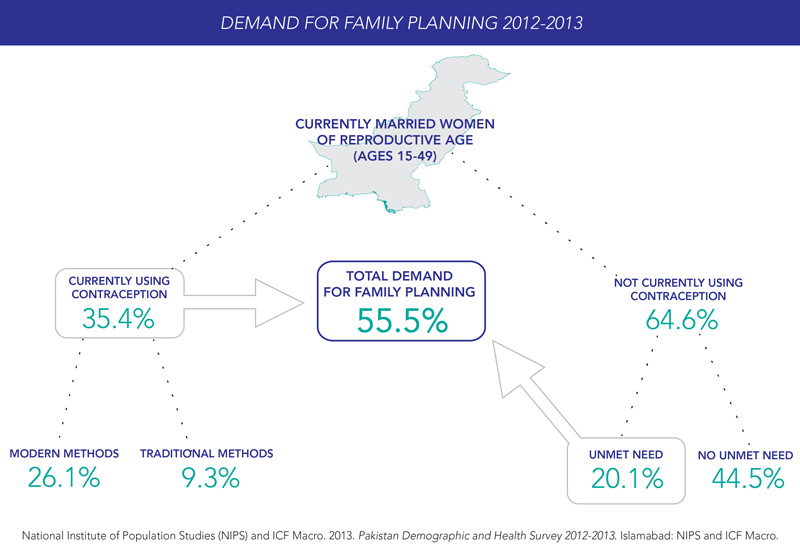
Pakistan Needs to Empower Women to Boost Its Economy
›February 26, 2014 // By Wilson Center StaffThe original version of this article, by Kaja Jurczynska, appeared on Population Action International’s All Access blog.
Pakistan is at a crossroads, and not for the reasons you might think.
-
Joshua Zaffos, Yale Environment 360
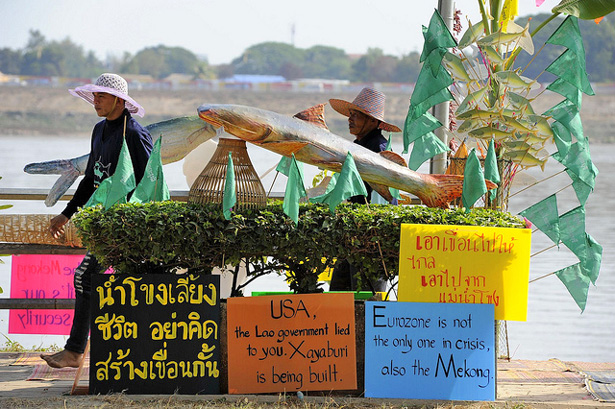
Life on Mekong Faces Threats As Major Dams Begin to Rise
›February 20, 2014 // By Wilson Center StaffIn the sleepy northern Thai border town of Huay Luk, a community leader, Pornsawan Boontun, still remembers the day when villagers netted a Mekong giant catfish more than a decade ago. The fish weighed 615 pounds, and it surprised everyone since the elusive species has never been common in this stretch of river.
-
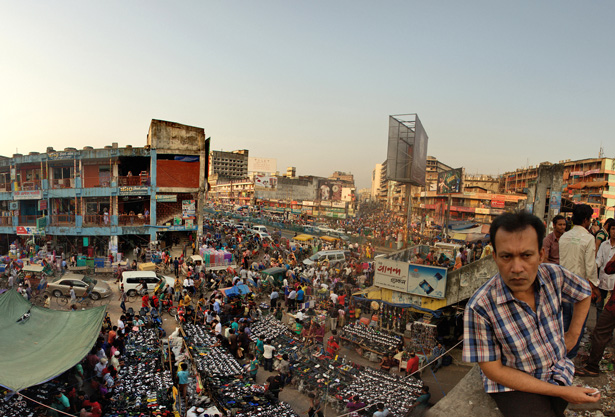
Basket Case No More? Bangladesh’s Successes Portend Resilience in Face of Change
›This past December, Bangladesh turned 42, bringing the country Henry Kissinger once predicted would become a “basket case” into comfortable middle age (though perhaps this analogy breaks down for countries like Switzerland, age 722).
Showing posts from category economics.
 What’s the best way for America’s chief development agency to help other countries reach prosperity and democracy? Increasingly, it’s creating partnerships not just with other governments, but with the private sector too, says USAID Administrator