-
Will a Welcome Peace Derail Colombia’s Sustainable Development Plans?
›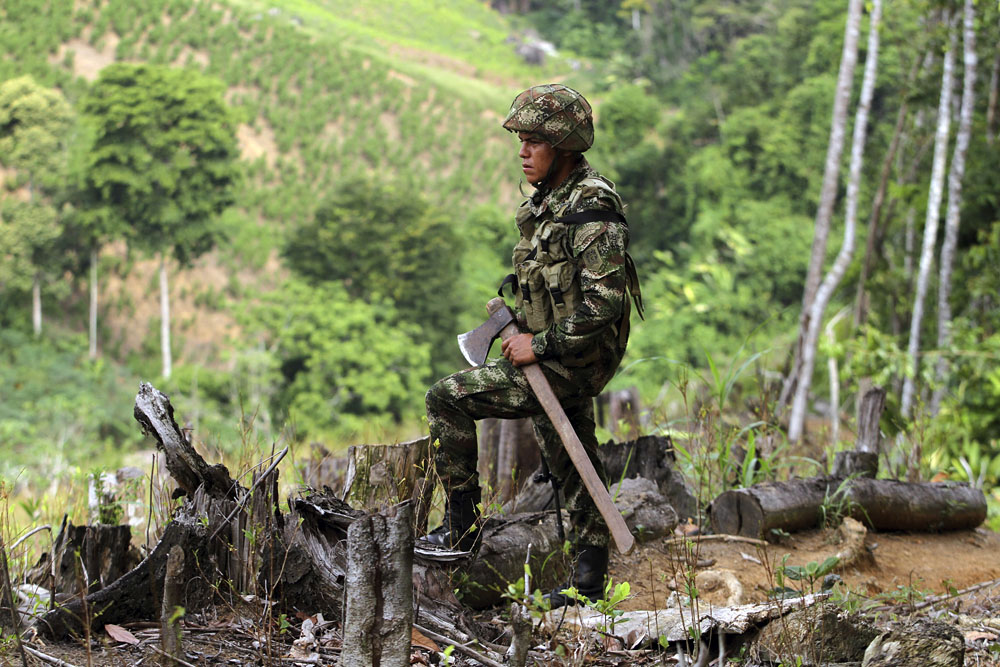
When Colombia is in the news, it’s not necessarily for the reasons we Colombians would like. We have lived through 50 years of violent conflict. Peace is a very abstract idea to most of us. Despite this we are still some of the happiest people on Earth.
-
Why Canada Is an Energy Titan and How Its Hydropower Can Help the U.S.
›
The United States: The world’s lone remaining superpower, home of the world’s largest economy and military, the world’s largest producer and consumer of natural gas, and soon the leading producer and consumer of oil.
-
In Shenzhen, Tracking the Early Steps of China’s Carbon Pivot
›SHENZHEN, China – To some extent, the contemporary industrial age is a global narrative of substance abuse and recovery.
-
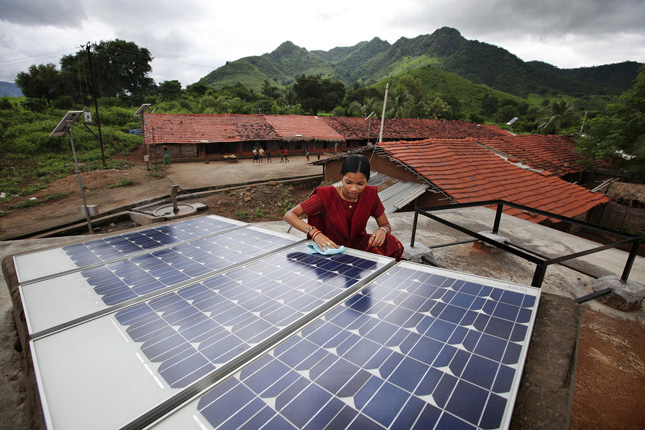
Falling Costs, Rising Opportunities: Scaling Up Renewable Energy in the Developing World [Part Two]
›“Clean energy has gone from being the ‘right thing to do’ in combating climate change, to being the most cost-effective option for many energy-insecure countries,” said Carrie Thompson, deputy director of the U.S. Agency for International Development’s Regional Development Mission for Asia, during a day-long conference on renewable energy at the Wilson Center on October 27 (read part one of our coverage here).
-
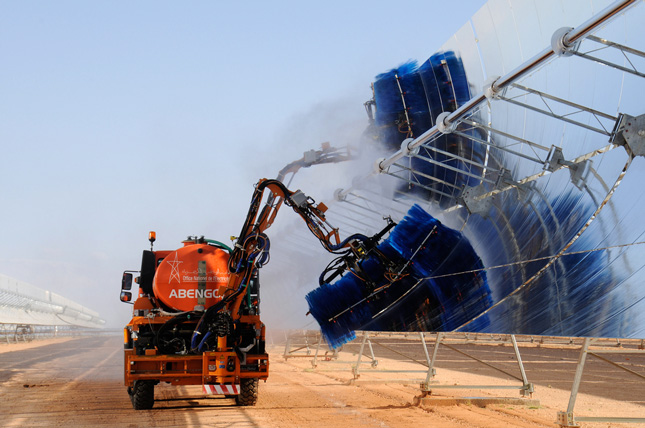
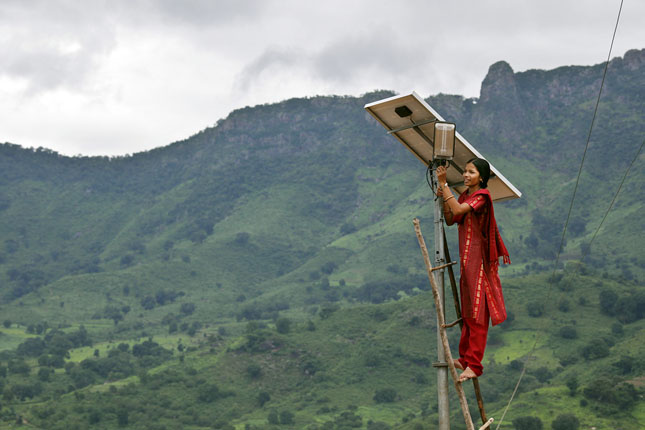
Zero-Emission Energy for 1.3 Billion People? Scaling Up Renewable Energy in the Developing World [Part One]
›The renewable energy sector has reached a critical inflection point where costs are competitive with fossil fuels and investment is ramping up in a big way, said more than a dozen experts at a day-long conference co-hosted by ECSP and the U.S. Agency for International Development’s Office of Global Climate Change on October 27.
-
Lisa Palmer, Yale Environment 360
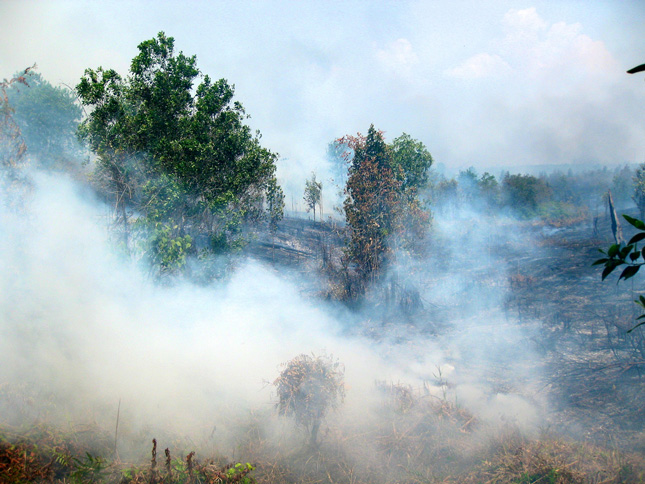
Will Indonesian Fires Spark Reform of Rogue Forest Sector?
›November 11, 2015 // By Wilson Center StaffThe fires that blazed in Indonesia’s rainforests in 1982 and 1983 came as a shock. The logging industry had embarked on a decades-long pillaging of the country’s woodlands, opening up the canopy and drying out the carbon-rich peat soils. Preceded by an unusually long El Niño-related dry season, the forest fires lasted for months, sending vast clouds of smoke across Southeast Asia.
-
Military Leaders: Climate Change, Energy, National Security Are Inextricably Linked
›In the midst of a minefield on day two of Desert Storm Task Force Ripper, Marine Corps Operations Officer Richard Zilmer stepped out of his armored personnel carrier, squinted up at the sky, and saw nothing but black from horizon to horizon. Iraqi forces, trying desperately to blunt the attack of coalition armies, had set fire to hundreds of Kuwaiti oil wells and oil-filled trenches.
-
The Renewable Energy Era Has Already Started
›The world has entered a new energy era. Last year, for the first time in four decades, the global economy grew without an increase in CO2 emissions, according to the Renewable Energy Policy Network for the 21st Century.
Showing posts from category economics.