-
Lessons From Uganda on Strengthening Women’s Voices in Environmental Governance
›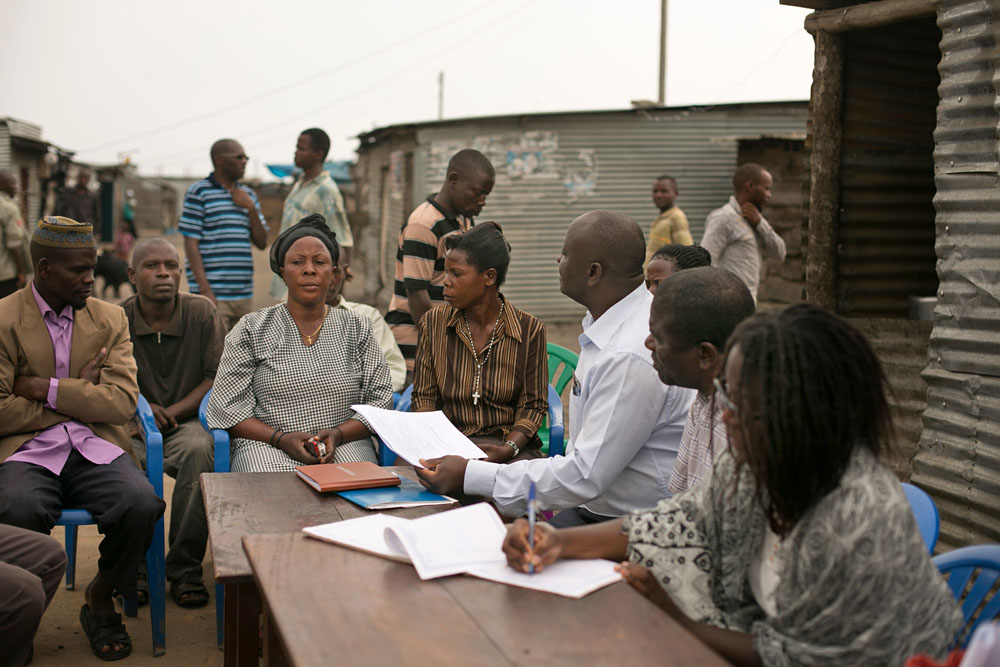
Ask Agnes Namukasa about sustainably managing fisheries in Kachanga, the lakeshore landing site she calls home in Uganda’s Masaka District, and you will soon learn about toilets. From her perspective, community members won’t address conflict between government enforcers and fishers, competition among neighboring villages, or pollution threatening aquatic ecosystems until they can first organize to address their most pressing daily needs. And in Kachanga, where chronic childhood diarrhea and a host of other illnesses stem from poor sanitation, those essentials include public latrines.
-
An Empty Table? Food-Climate-Conflict Connections in Paris
›
Security, terrorism, conflict, and peace: you won’t find any of these words in the landmark agreement released on December 12 at the 2015 Paris Climate Conference (COP-21). It’s never been front-and-center on the agenda at previous Conference of Parties, from Copenhagen to Cancun. But in Paris, a city reeling from terrorist attacks, the specter of climate-related conflict haunted delegates and the potential of a climate-resilient peace inspired grassroots protests.
-
Fire and Oil: The Collateral Environmental Damage of Airstrikes on ISIS Oil Facilities
›As the United States, Russia, and others step up attacks on the self-proclaimed Islamic State in Iraq and Syria (ISIS), there is concern over their direct and long-term environmental and public health impacts. Many air strikes have targeted lucrative oil installations under the control of ISIS, and these could have severe detrimental effects for Syria’s future, both environmentally and socio-economically. Questions around the effectiveness of these strikes, both from a military and political perspective, seem to be missing in the wider debate.
-
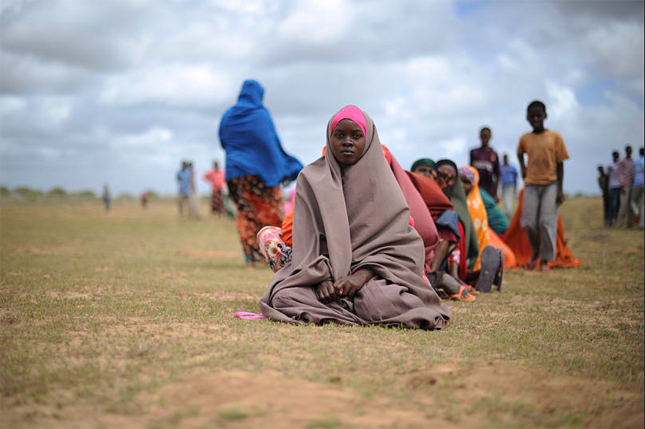
The Outcast Majority: War, Development, and Youth in Africa (Book Preview)
›The Outcast Majority: War, Development, and Youth in Africa is born of a growing sense that the status quo won’t work, in Africa or elsewhere. Enormous youth cohorts, containing many who feel socially sidelined, call for a response that, at best, is sporadically seen.
-
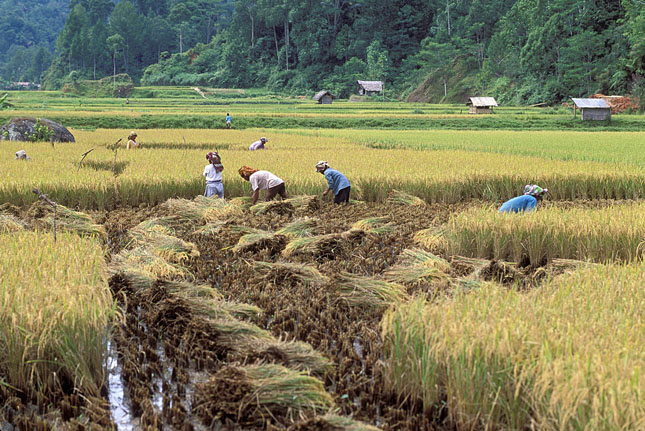
New Research Reveals Climate-Food-Conflict Connection Via Nighttime Temperatures
›The effect of climate change on the emergence of violent conflict has become one of the more lively academic debates and is even bleeding over into the mainstream. Despite a substantial number of studies, results are contradictory and somewhat inconclusive.
-
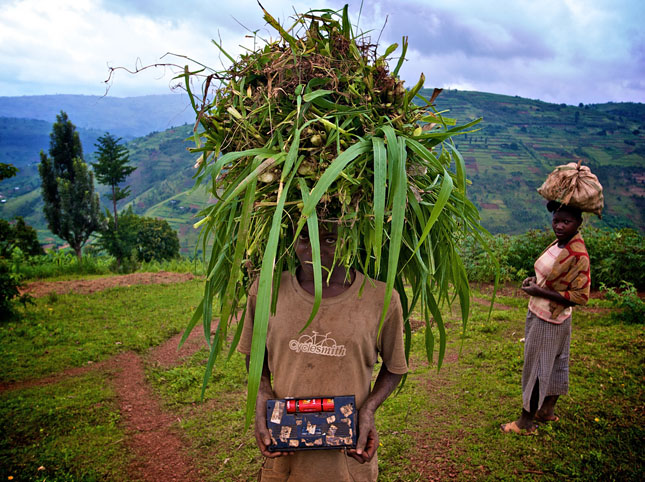
Empower, Educate, and Employ Youth to Realize the Demographic Dividend
›In the course of development, most countries undergo a demographic transition. Health conditions improve and mortality rates decline, causing rapid population growth and a relatively high proportion of young people. Over time, if fertility declines, as it has in most places, growth slows and there is a period when the proportion of very young “dependents” shrinks in comparison to the working age population. This moment represents an opportunity for a “demographic dividend” – an economic boom as a comparatively large cohort of the total population moves through their most economically productive years. [Video Below]
-
“End of the Beginning:” What Was Achieved at COP-21?
›Last month, for the first time, 195 countries formally agreed to take steps to slow and eventually reduce carbon emissions. “This is potentially one of the most important things that’s ever been done for your children, your grandchildren…and their welfare in the future,” said Andrew Light, professor of public philosophy at George Mason University. [Video Below]
-
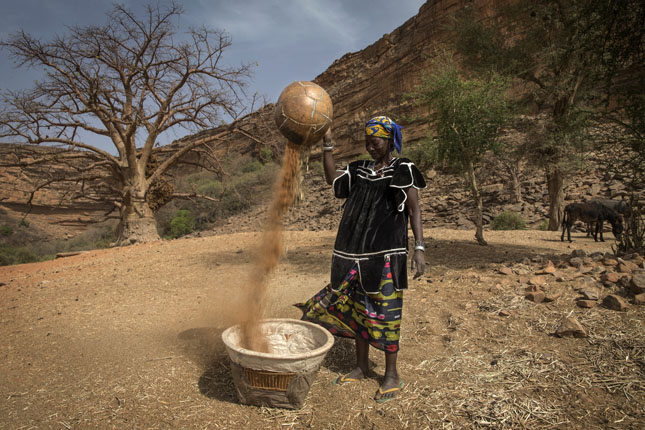
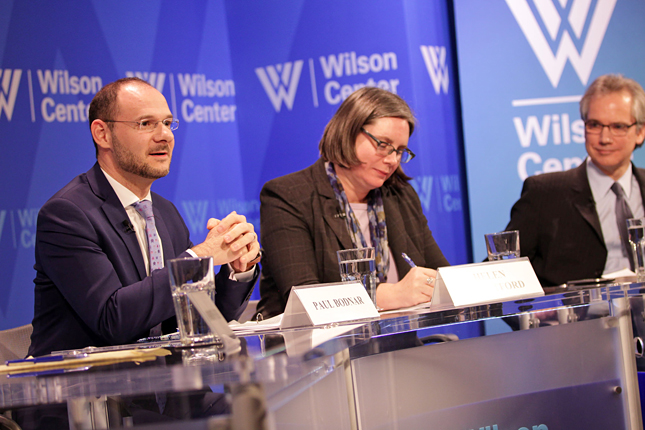
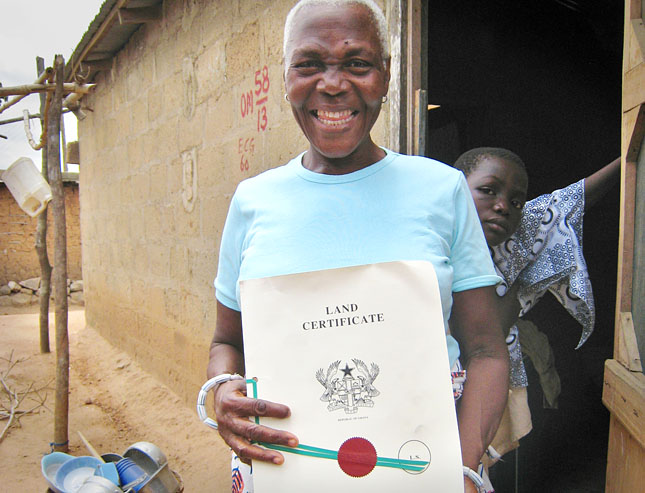
Missing the Big Picture in Challenging Africa’s “Land Grab” Narrative
›Who walks away from fertile agricultural land available to lease for as little as $1 per year per hectare? Recent reports indicate international investors are doing just that across sub-Saharan Africa.
Showing posts from category economics.