-
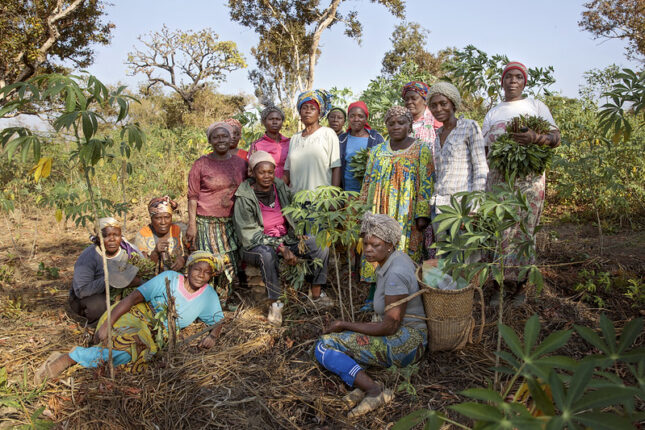
Climate Change and Gender Roles: Women’s Active Role in Adaptation
›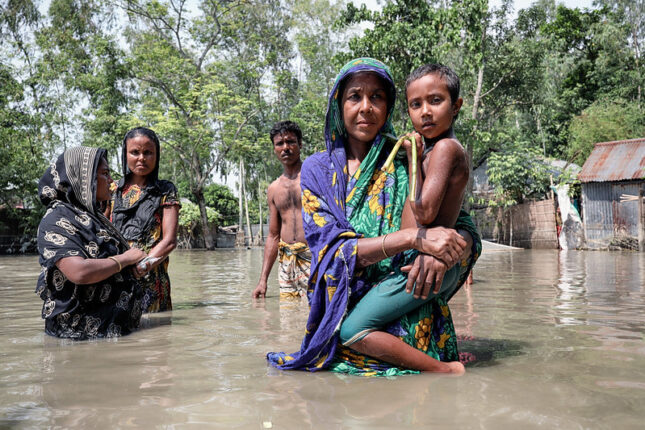
“The success or failure of any adaptation strategy or action highly depends on the understanding of the capacities of a community or an individual to adapt to climate-associated risks,” write the authors of a recent systematic review of literature, Gender and Adaptive Capacity in Climate Change Scholarship of Developing Countries.
-
State of the World Population Report: Interwoven Lives
›
In 2024, the world marks the thirtieth anniversary of the 1994 International Conference on Population and Development (ICPD) in Cairo. At this pivotal meeting, 179 countries produced a watershed Program of Action (PoA) that put people at the center of development to better realize health, rights and choices for all. This PoA prioritized human rights, the empowerment of women and girls, and addressed existing inequalities. It also put forth a new strategy that emphasized vital linkages between population and development that moved away from a focus on demographic targets, like fertility rates, and shifted the focus to the needs of individual women and men.
-
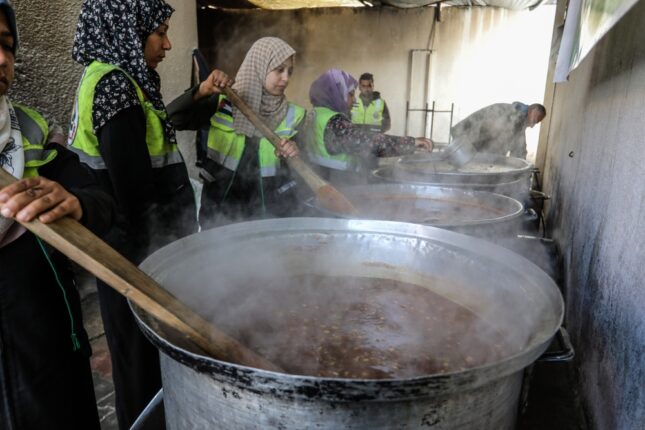
Planning for Women in a Postwar Gaza
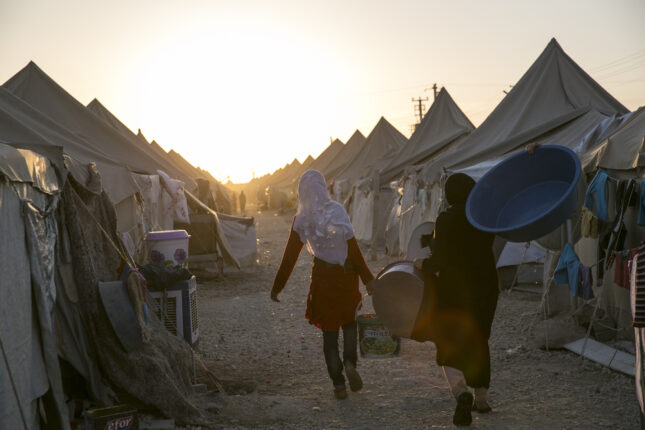
›International organizations and media stories have showcased how civilian women and children have been the primary victims of the Israeli campaign to eliminate Hamas in Gaza in the last seven months. Yet, the focus has been on exactly that—women and children as victims of violence. Little thought has been given to what happens to Palestinian women and children in Gaza once the guns are silenced and it comes time not only to reckon with the unimaginable violence and hardship endured during the war but to rebuild their lives and communities.
-
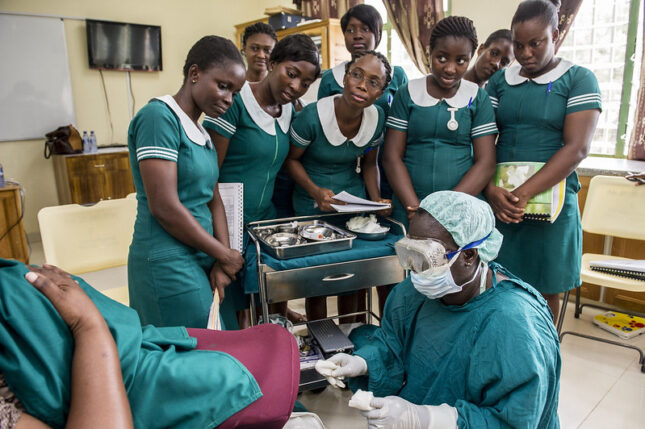
Q&A: Midwives as a Vital Climate Solution
›Dot-Mom // Guest Contributor // Q&A // May 3, 2024 // By Esther Bander, Rosemary Ngougu, Eugenia Mensah, Angeline Houman & Pandora HardtmanMay 5th is the International Day of the Midwife. This year’s theme, “Midwives: A Vital Climate Solution,” acknowledges the role that midwives play by delivering environmentally sustainable health services, adapting health systems to climate change, and as first responders when climate-related disasters occur. Empowering a resilient health workforce with midwives as first contacts for maternal health care can improve universal health coverage through reductions in environmental impact, as well as more efficient, less costly health systems, and stronger local economies.
-
An Essential Handbook for Reproductive Global Health
›Dot-Mom // Guest Contributor // April 24, 2024 // By Cecilia Van Hollen & Nayantara Sheoran AppletonAs the world becomes increasingly interconnected through travel, communication, and information, interdisciplinary approaches to address global and reproductive health issues are crucial. And as the politics of reproductive healthcare are shifting in uneven ways across the globe, the need for deep understanding of local contexts within a globalized world is ever more vital. Our recently published, co-edited Wiley Blackwell handbook, A Companion to the Anthropology of Reproductive Medicine and Technology provides a sweeping overview of studies of reproduction from an anthropologically informed lens with a commitment to interdisciplinary approaches at the intersection of medical anthropology, feminist Science and Technology Studies (STS), global and public health, and critical analyses of both gender and sexuality and of race and ethnicity.
-
Humanity Beyond Borders
›“The health care challenges faced by refugees and displaced people are complex and multi-dimensional,” said John Thon Majok, Director of the Wilson Center’s Refugee and Forced Displacement Initiative (RAFDI). “This requires not only understanding the drivers of displacement but also analysis of the barriers to healthcare as well as innovative ways to address them.”
-
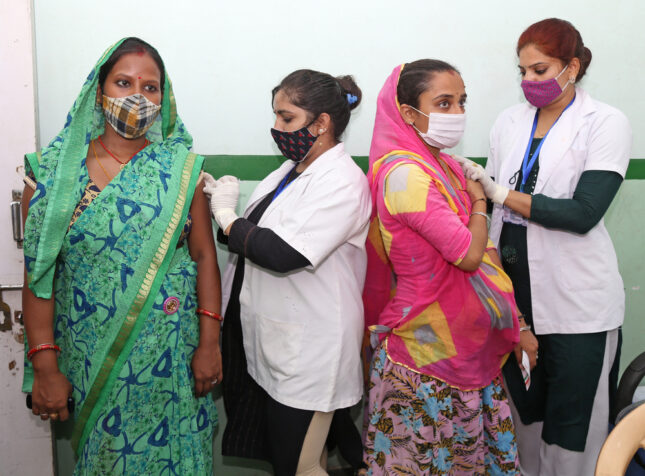
International Day for Maternal Health and Rights: Promoting the Right to Health for Pregnant People Globally
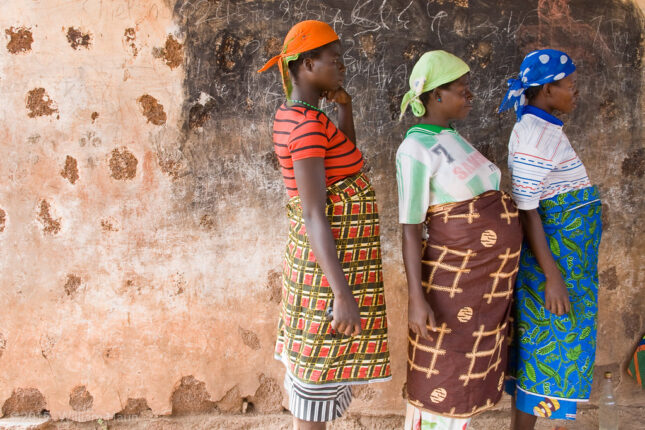
›April 11 is the International Day for Maternal Health and Rights. Globally, 800 women die each day from preventable causes due to pregnancy and childbirth. Improving maternal health outcomes and preventing maternal deaths requires a human rights-based approach that protects a person’s right to survive childbirth, to access high-quality health care, to government accountability, to equity and non-discrimination when accessing care, and to family planning and contraception. Enshrining these rights for all pregnant people is key to meaningful progress towards the prevention of maternal deaths globally.
-
NEW Global Health and Gender Policy Brief: Malaria and Most Vulnerable Populations
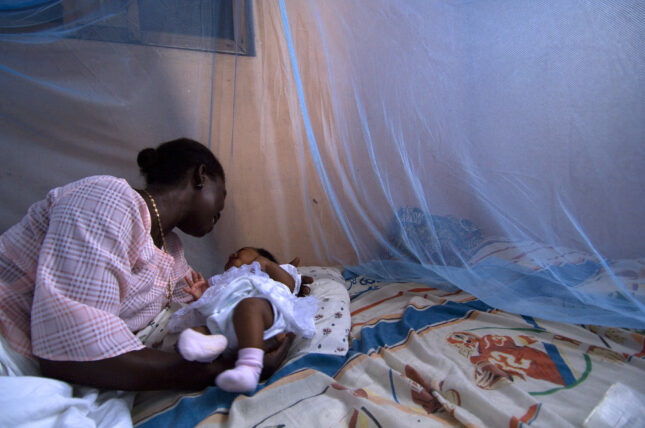
›Malaria is an immense global health challenge. In 2022, there were 249 million malaria cases, an increase of 5 million as compared to 2021, leading to 608,000 malaria deaths in 85 countries. Yet while these numbers increase, investment and attention to malaria in the past decade has stagnated—and even decreased in areas. Notably, the total spending to eradicate malaria in 2022 was $4.1 billion USD – just over half of the $7.8 billion USD needed to stay on track to reduce new malaria infections and mortality rates by 90% by 2030.
Showing posts from category Dot-Mom.