-
The Complicated Relationship Between Climate, Conflict, and Gender in Mozambique
›Guest Contributor // February 12, 2024 // By Gracsious Maviza, Mandlenkosi Maphosa, Giulia Caroli, Thea Synnestvedt & Joram Tarusarira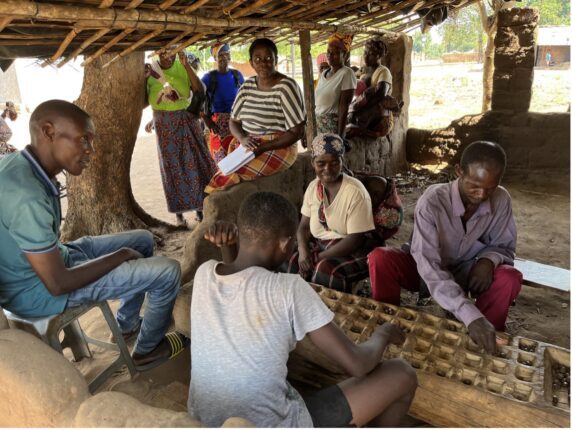 Individuals face immense challenges in displacement contexts, particularly where climate, conflict, and displacement intersect. In Mozambique, climate impacts have combined with conflict to displace nearly a million people. Entire livelihoods, identities, and stability are vanishing. Women, men, girls, and boys are not just losing homes; they are losing their place in traditional societal roles, too. This chaos—and responses by the international community—are reshaping Mozambique’s gender dynamics.
 -
Weakened Infrastructure and Climate Change: The Threat to Water Security in Nineveh
›
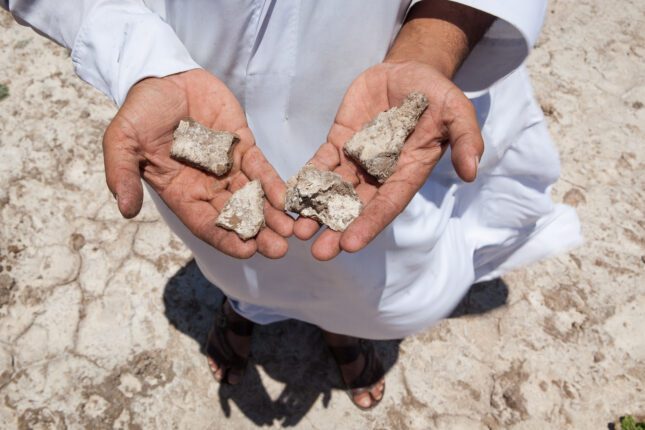
Iraq is incredibly vulnerable to the impacts of climate change. Temperatures are increasing, rainfall is decreasing, and the country experiences prolonged periods of drought. These conditions, as well as the destruction of wells and irrigation systems in the Islamic State’s (IS) targeted 2014-2017 campaign to destroy agricultural livelihoods, have created a growing water problem in Iraq’s Nineveh Plains. Indeed, water levels there have dropped low enough to subject crops to drought stress, endangering drinking water systems and affecting the ability to grow crops and raise livestock.
-
Environment and Security | Q&A with Editor in Chief, Ashok Swain
›From Afghanistan, Nepal, and Libya to the Arctic, the new issue of Environment and Security takes a fresh look at emerging issues at the intersection of environment and security. Ashok Swain, Editor in Chief of Environment and Security, spotlights some of the new research and insights in this Q&A with ECSP staff.
Q: The new issue of Environment and Security features an article on Arctic governance, including a close examination of the International Code for Ships Operating in Polar Waters (Polar Code). How do the authors assess this regulatory instrument as it enters its 10th year since adoption?
-
Make Room for Development Diplomats!
›Tracking signs and signals is one of the hallmarks of foresight professionals. They are always on the prowl for novel products and technologies that promise to change the world. Sustainable aviation fuel made from biomass or non-biological sources like CO2 is one innovation on their radar. The increasingly popular generative AI technology is another, especially since its proponents claim it will revolutionize early disease detection, unleash new forms of creative arts, transform engineering, and reshape architecture.
-
Before the Flood: Lessons from Attempts to Predict Displacement
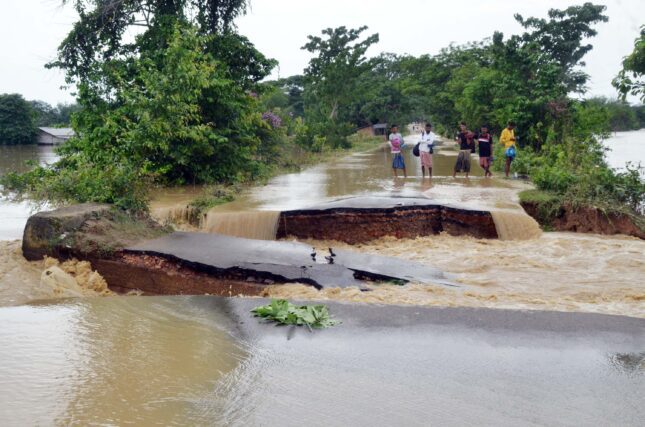
›Severe flooding is a major cause of human displacement. According to the latest annual report by the International Displacement Monitoring Centre, around 61 million people were forced to move within their country of residence during 2022 due to conflict or disasters. More than one quarter of these—19.2 million people—were displaced by floods.
-
ECSP Weekly Watch | December 4 — 8
›A window into what we are reading at the Wilson Center’s Environmental Change and Security Program
Possibilities for Peace and Conflict at COP28
October 2023 was the world’s warmest month in history, a fact which underscores the escalation of the climate crisis. It also supports official reports on adaptation and emission gaps which provide pessimistic outlooks for the future of peace in conflict-affected areas.
-
ECSP Weekly Watch | November 27 – December 1
›A window into what we are reading at the Wilson Center’s Environmental Change and Security Program
Why is COP Important?
Governments, policymakers, advocates, and observers have entered another annual UN climate conference cycle. Known as a “COP” (or “conference of parties”), these annual government-level gatherings focus on climate action, including assessments of progress toward the Paris Agreement and the creation of even more ambitious plans.
-
Gaza, Yemen, Syria, Human Rights, and Oil: The Elephants in the COP28 Room
›The annual multilateral Conference of the Parties (COP) has become one of the most important meetings on the global agenda. So the fact that the United Arab Emirates (UAE) will host COP28 starting this week in Dubai—on the coattails of another Arab country, Egypt, hosting COP27 in 2022—is a big deal. Bringing such important international meetings to the Global South is a step forward in decentering and reorienting global climate action.
Showing posts from category disaster relief.